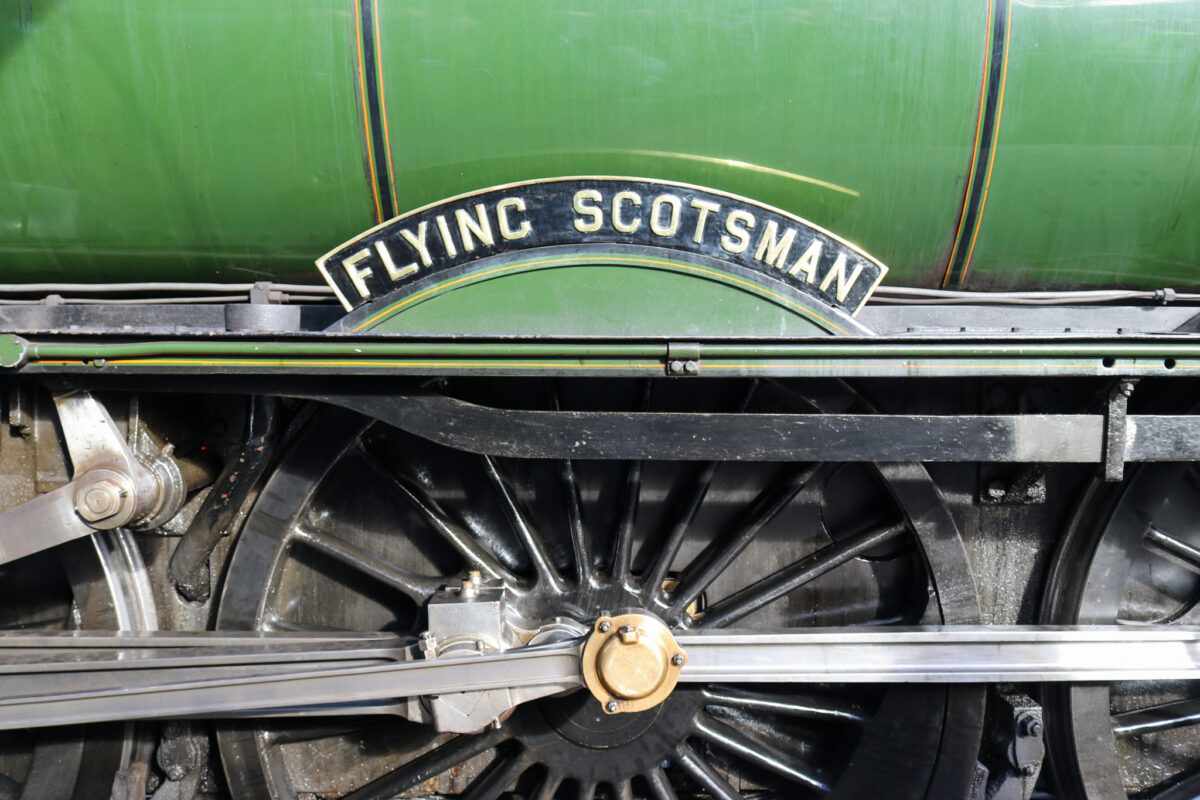
Arguably the highlight of the Swanage Railway enthusiasts’ calendar is the visits by one of the world’s most famous locomotives, Flying Scotsman.
Categories
The Flying Scotsman
Both residents and visitors are drawn to Swanage because of its natural beauty and its outstanding sandy bay but there’s plenty to do in addition to enjoying a day at the beach.
One of the main attractions and a great way to arrive in the town is by rail. The Swanage Railway is a heritage steam and diesel line that currently runs between Norden and Swanage.
There’s also Swanage Pier and if you stroll to the end, you get a fantastic view of the town and of Old Harry Rocks.
A good way to learn more about the history of Swanage and its Victorian heritage is to visit the Swanage Museum in the Square. It’s quite small but packed with information and there’s always someone to answer your questions.
For entertainment, there’s The Mowlem Theatre, located right on the seafront in Shore Road. It puts on lots of professional and amateur plays and musicals as well as the must-see Swanage pantomime. There’s also films to see, at prices cheaper than most cinema multiplexes.
If you want to go for a walk (although you can drive) head towards Durlston Country Park. Go south out of Swanage and follow the South West Coastal Path. It’s about a 30 minute walk, partly uphill, with lovely views out to sea and across to the Isle of Wight. Once you’re there, there’s Durlston Castle, which has a restaurant, shop and a busy programme of art exhibitions and events.
Arguably the highlight of the Swanage Railway enthusiasts’ calendar is the visits by one of the world’s most famous locomotives, Flying Scotsman.
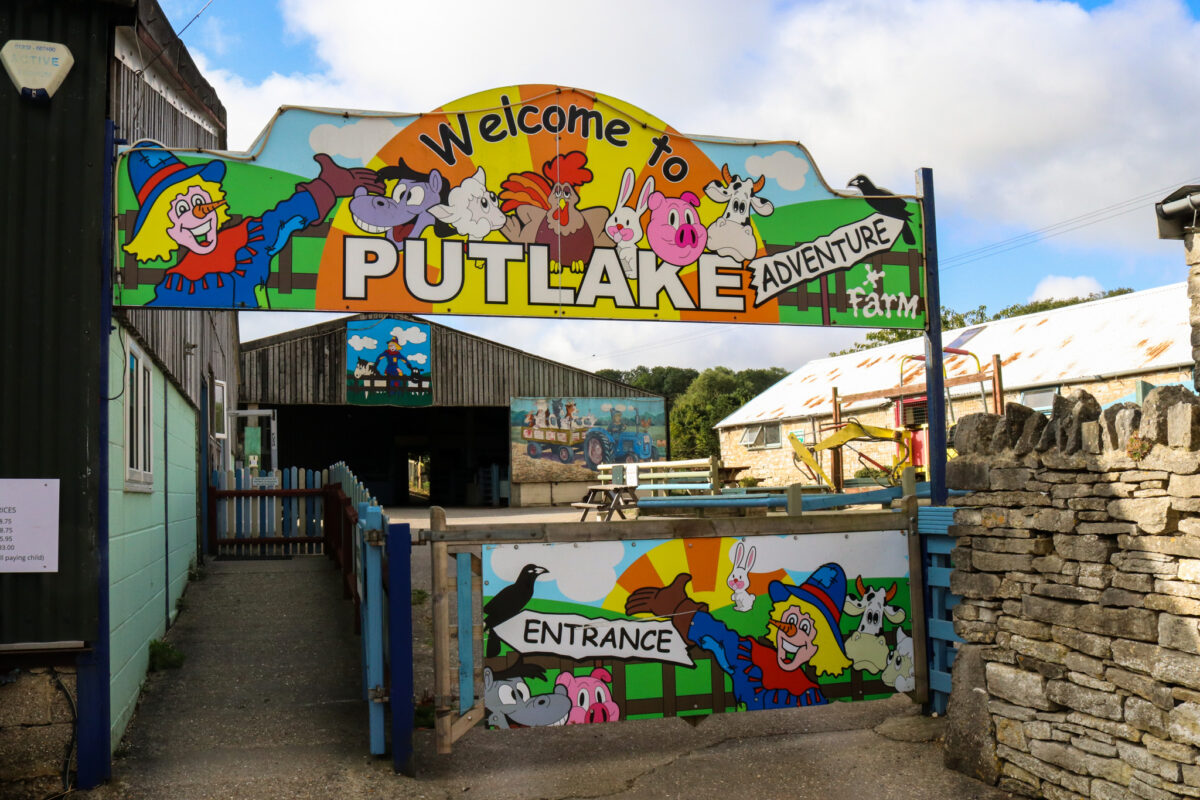
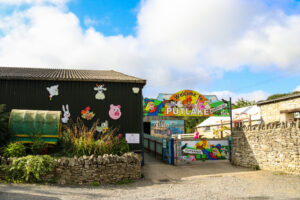
Meet the animals, have a tractor ride, race around the pedal go-kart track and let off steam in the soft play zone at Putlake Adventure Farm.
Located just outside Swanage in Langton Matravers, Putlake is a traditional, family-run working farm with friendly animals – some of whom love nothing more than to be petted, groomed and hand-fed.

Groom the ponies, have a cuddle with a guinea pig and bottle-feed the lambs at this family-run working farm.
But it’s not just a traditional farmyard experience here – Putlake’s also a great place to have your birthday party, and you can even camp here in the summer.
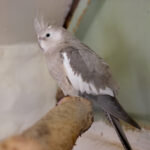
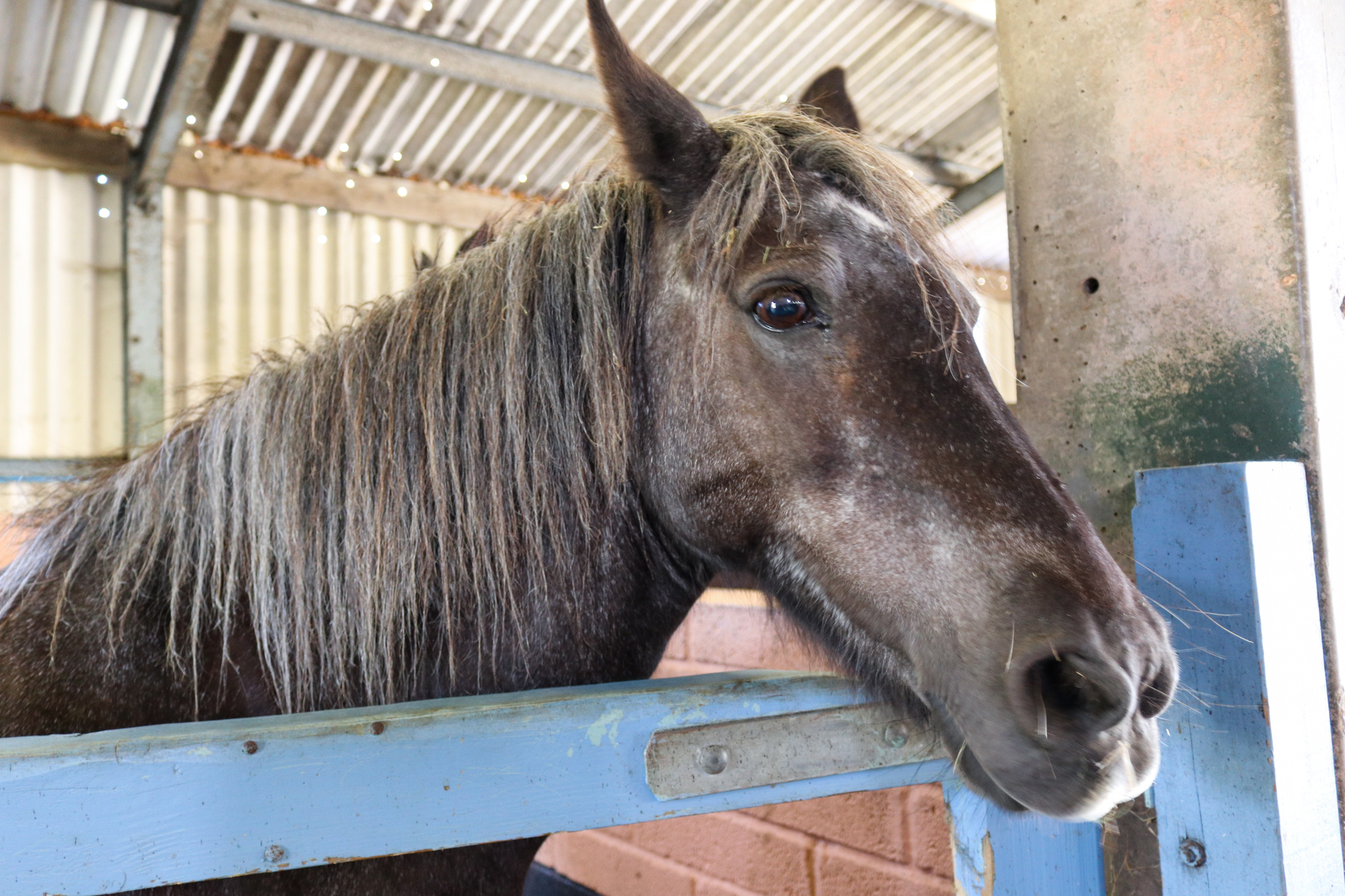
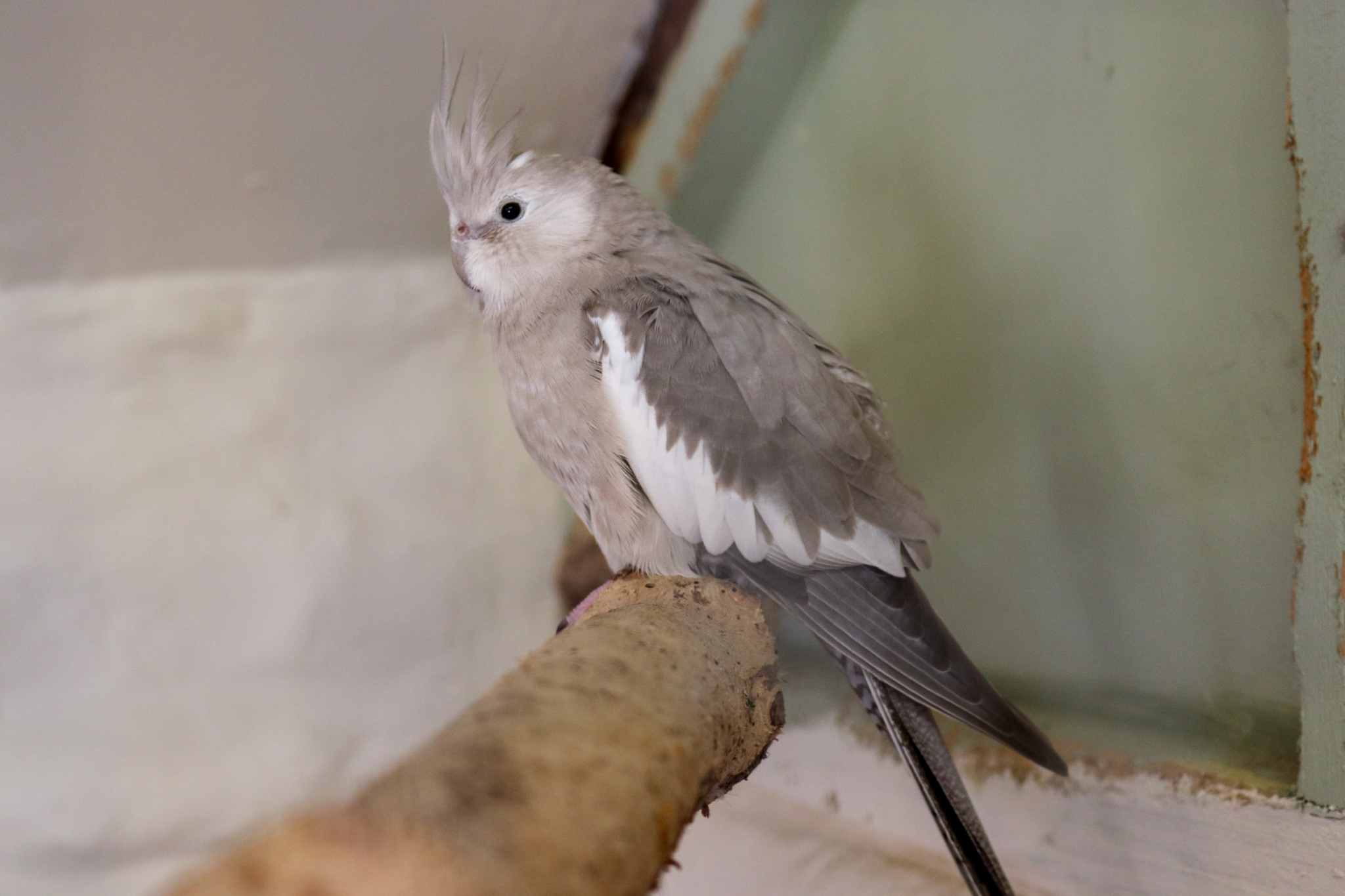
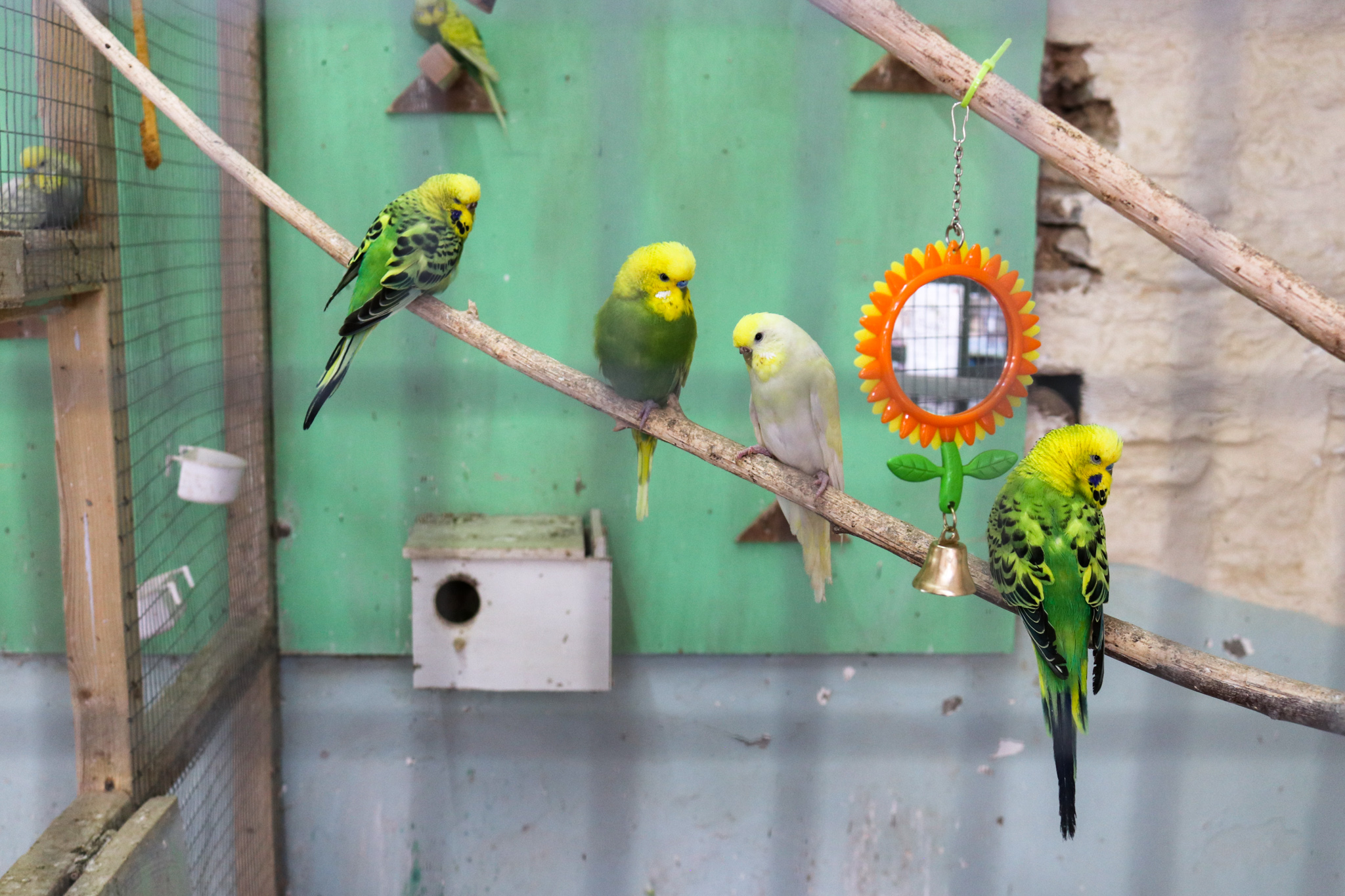
The animals at Putlake Farm can’t wait to meet you – and some even like to interact with you…the ponies always like a fuss and a groom; in spring the lambs need bottle-feeding; the rabbits and guinea pigs like a lap to sit on; and if you say hello to the parrot in the aviary, he might reply!
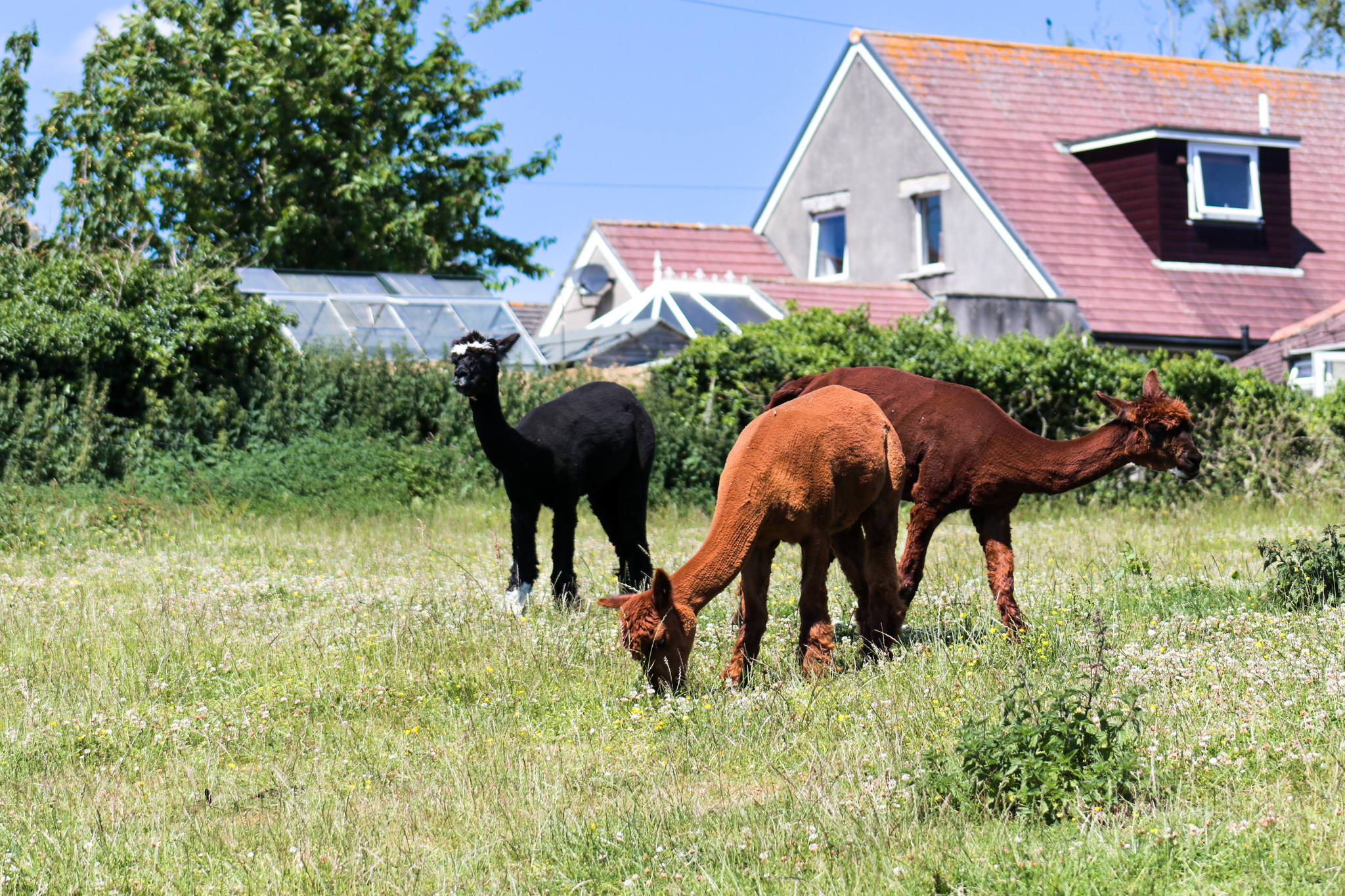
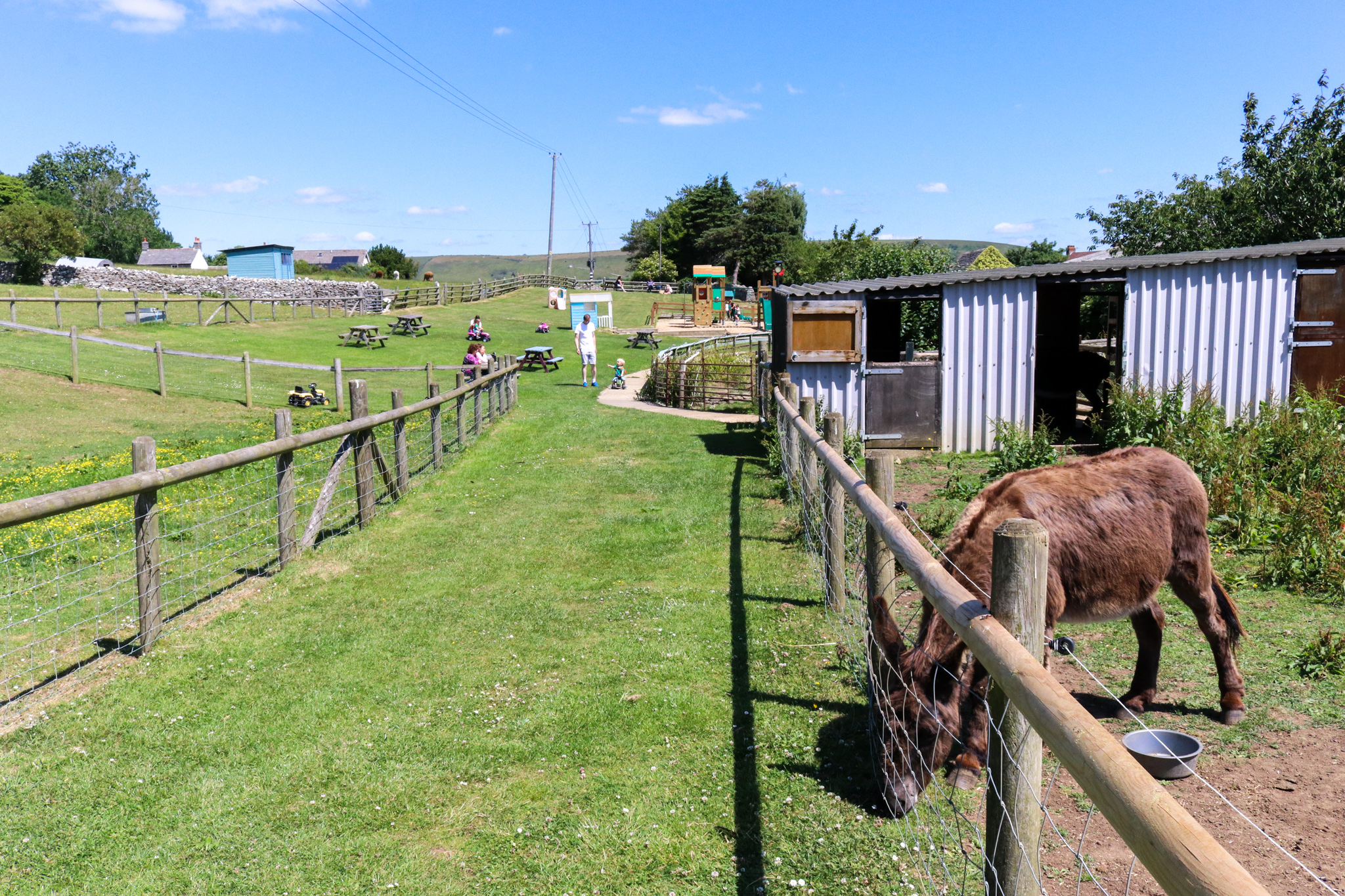
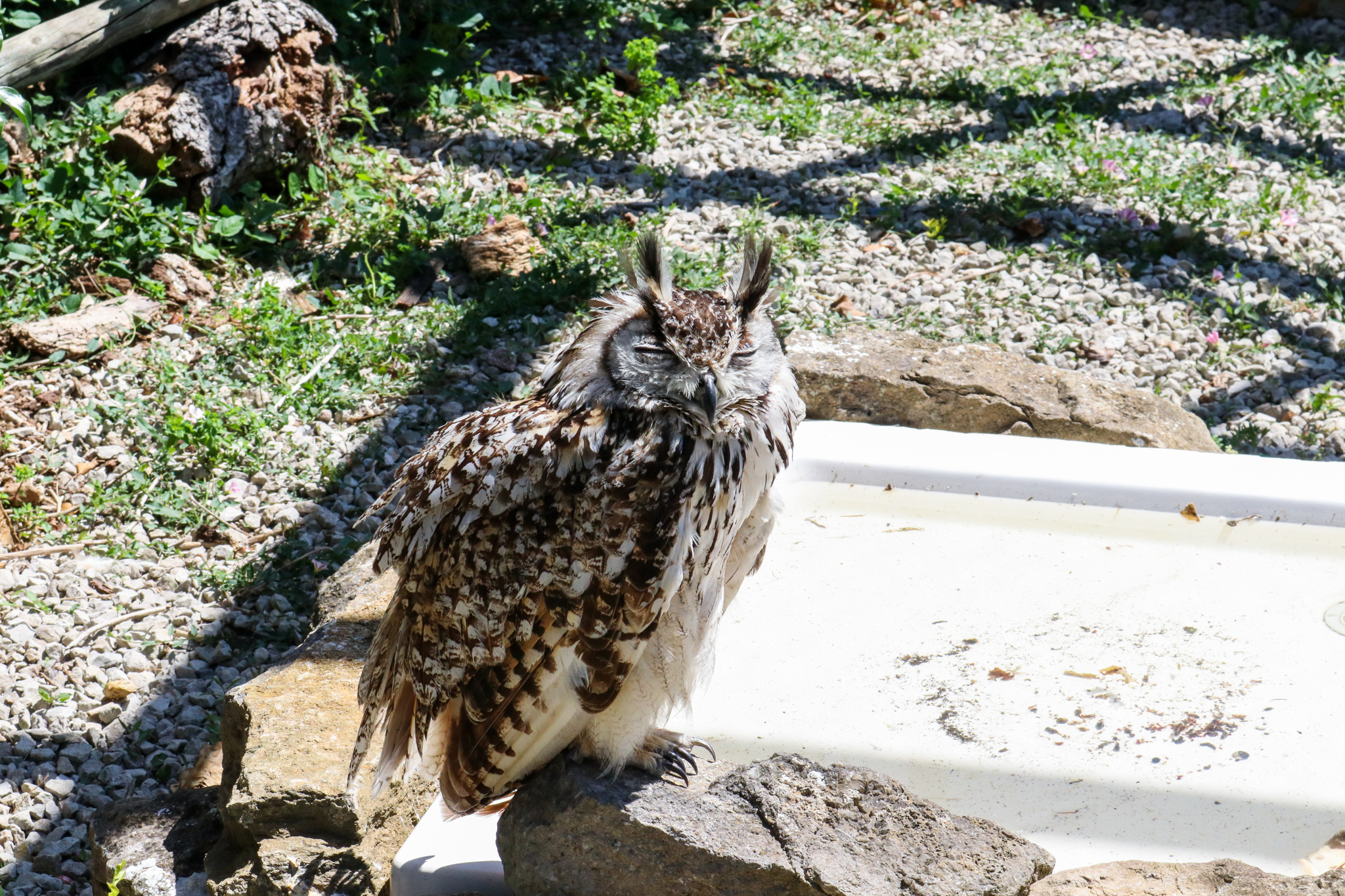
Visit the alpacas and donkeys in the outdoor paddocks and get up close to the resident owl, tortoises and peacocks who also call the farm their home.
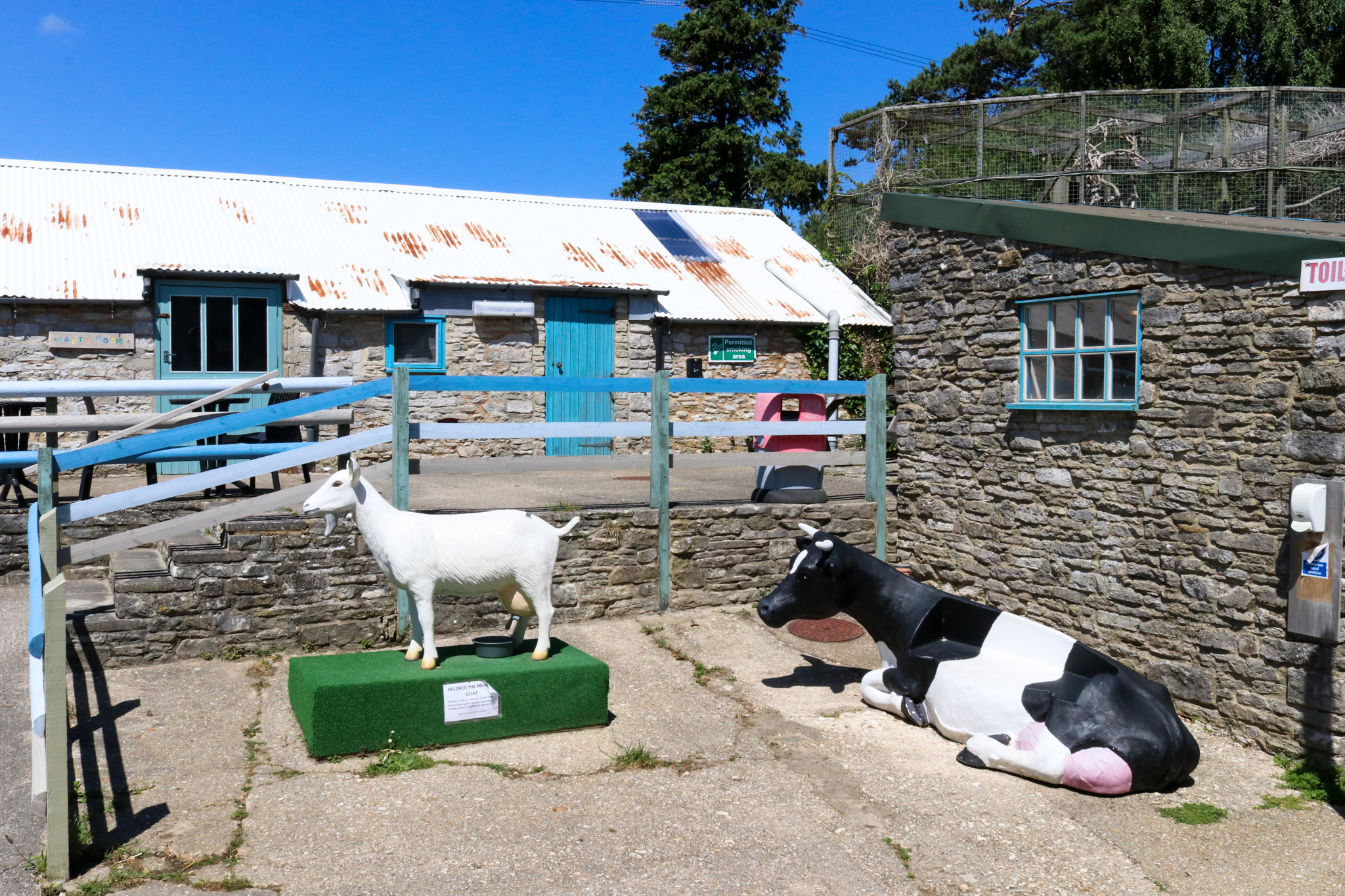
There’s traditional farmyard animals, too, including pigs, cows, chickens and goats – did you know goats can be milked, just like cows? You can have a go too, with Mildred the Milking Goat and experience what it’s like to be a real farmhand.

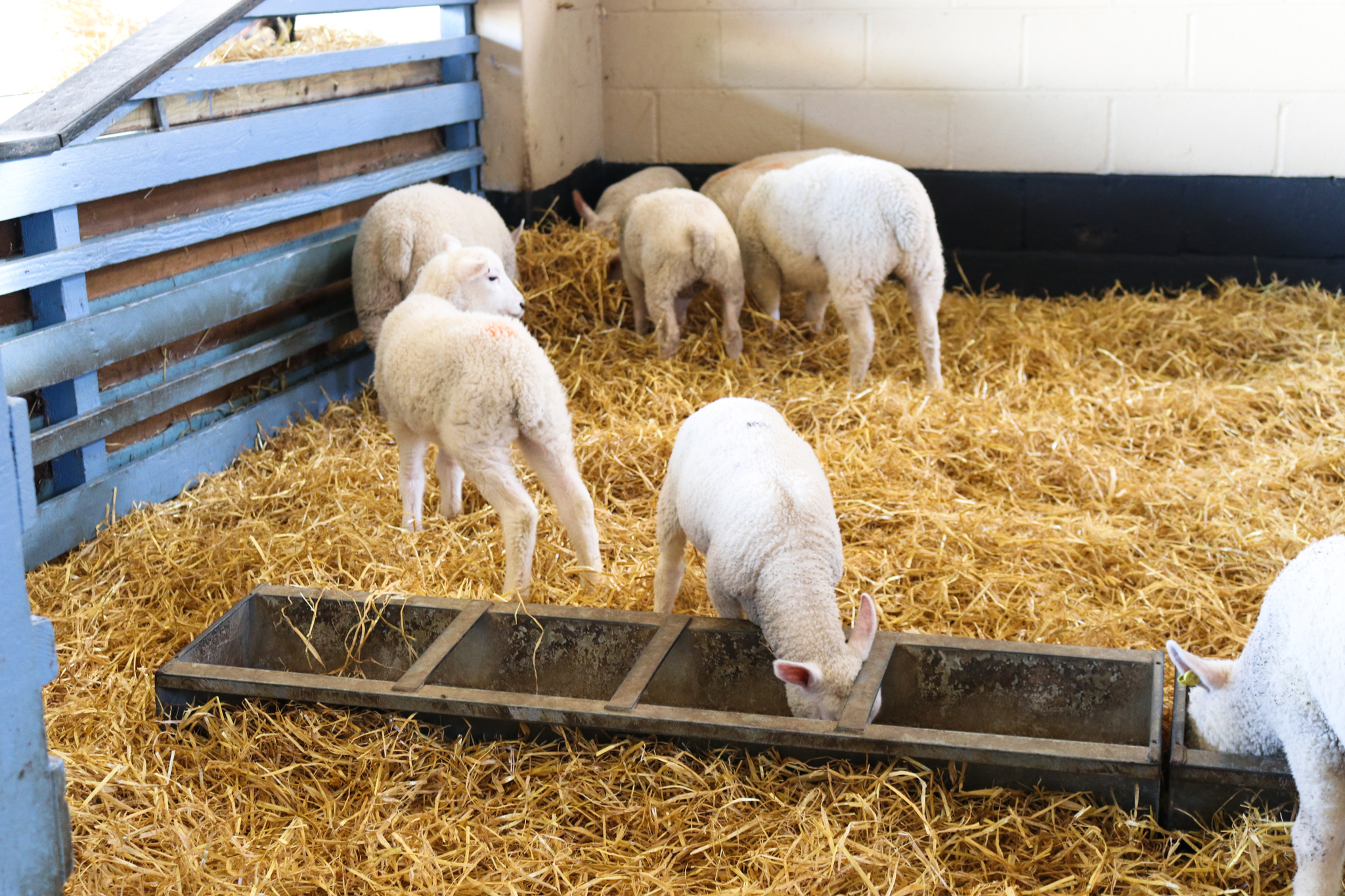
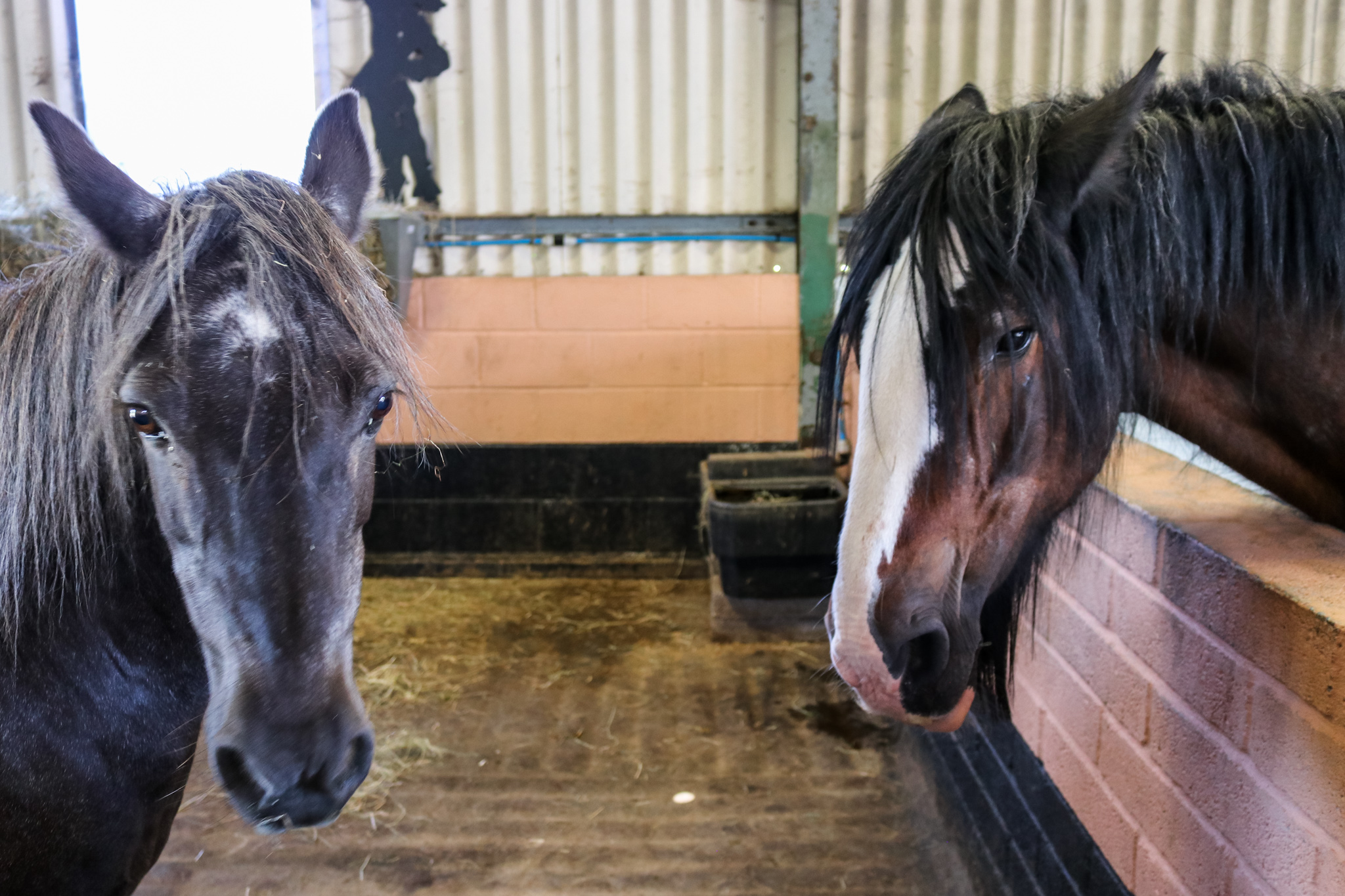
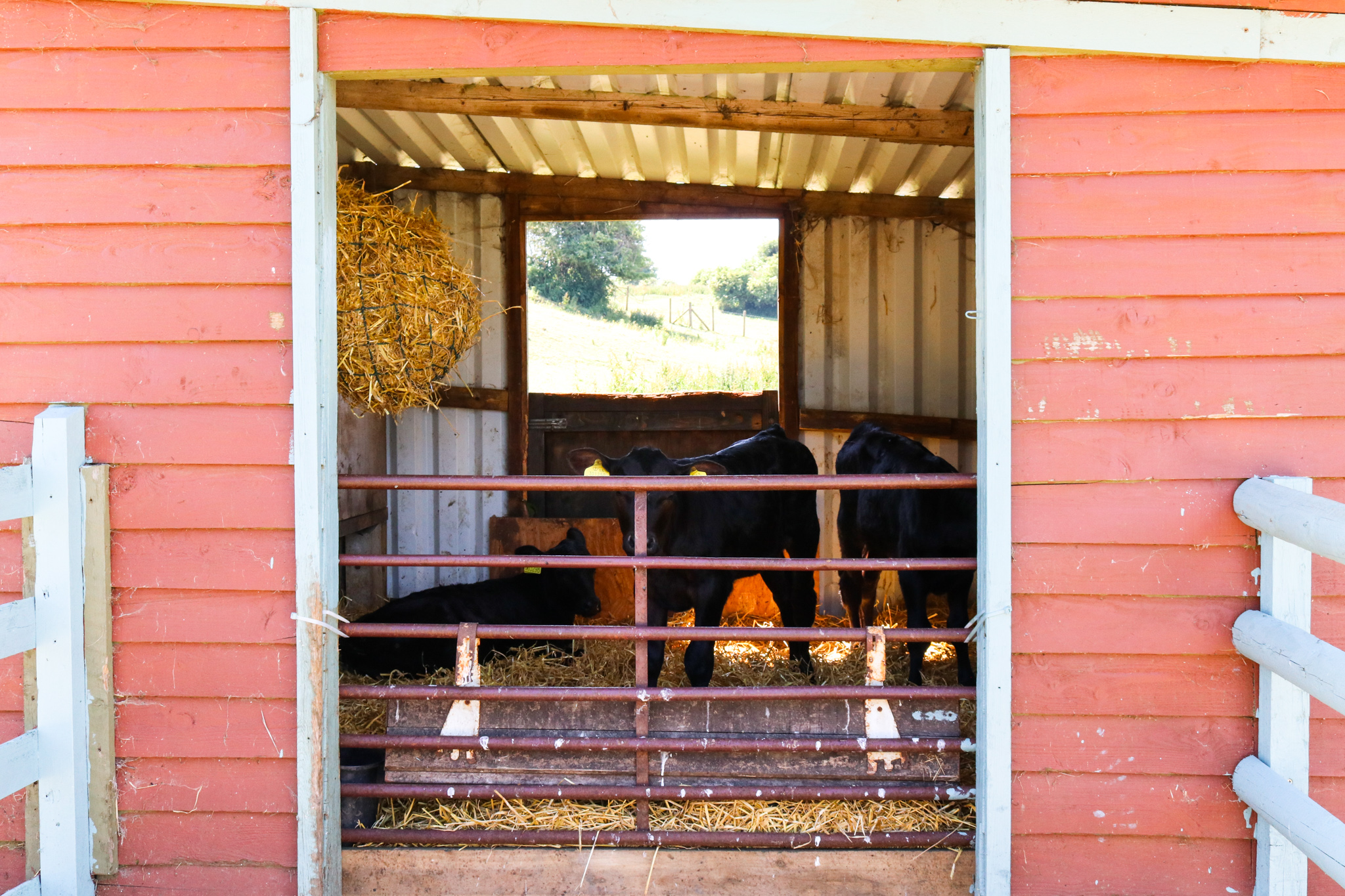
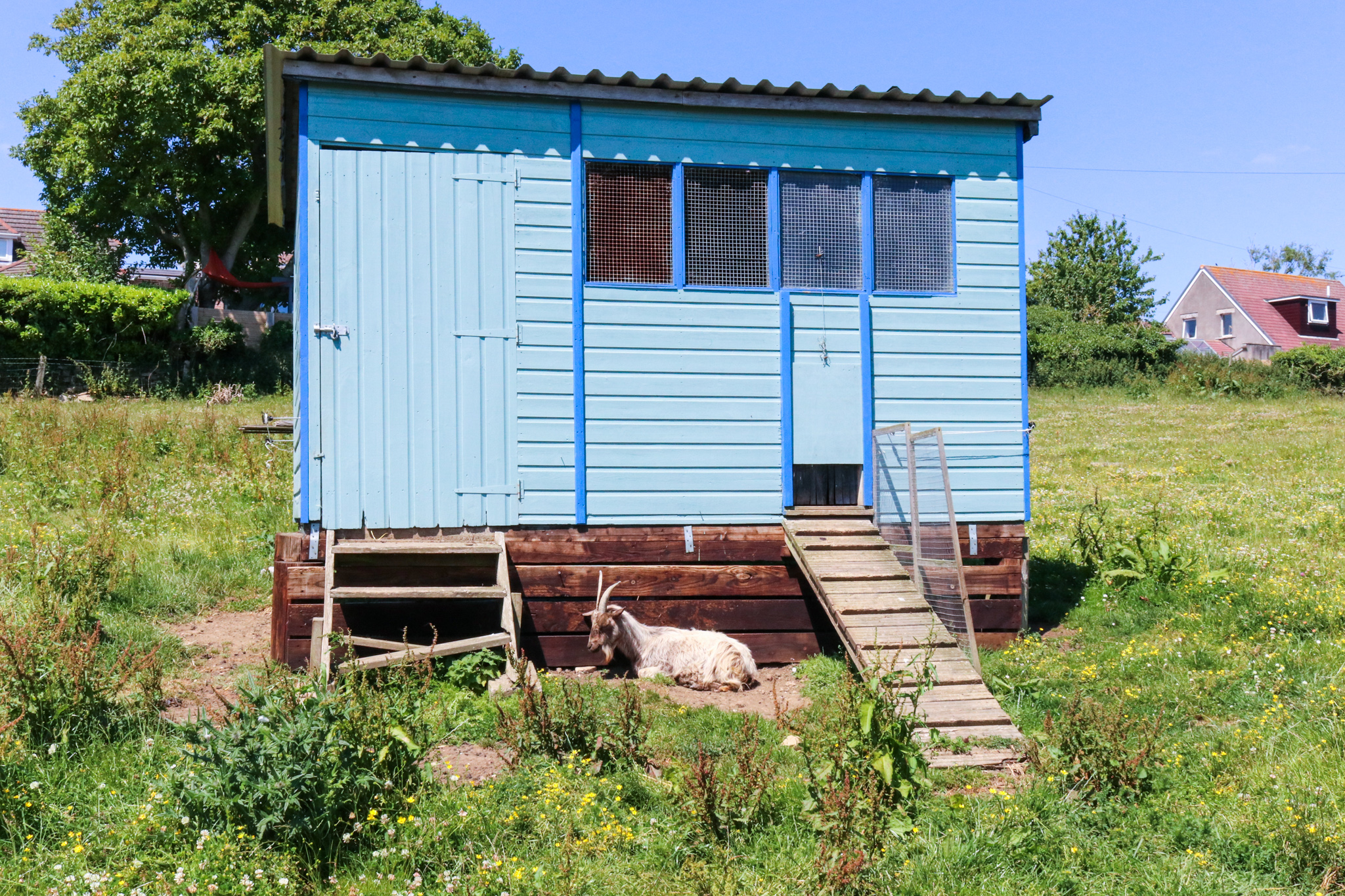

After you’ve said hello to the farmyard friends, it’s time to explore the indoor adventure soft play zone.
There’s a zip wire, ball pit, fun slides and nets to climb, spread across three levels.
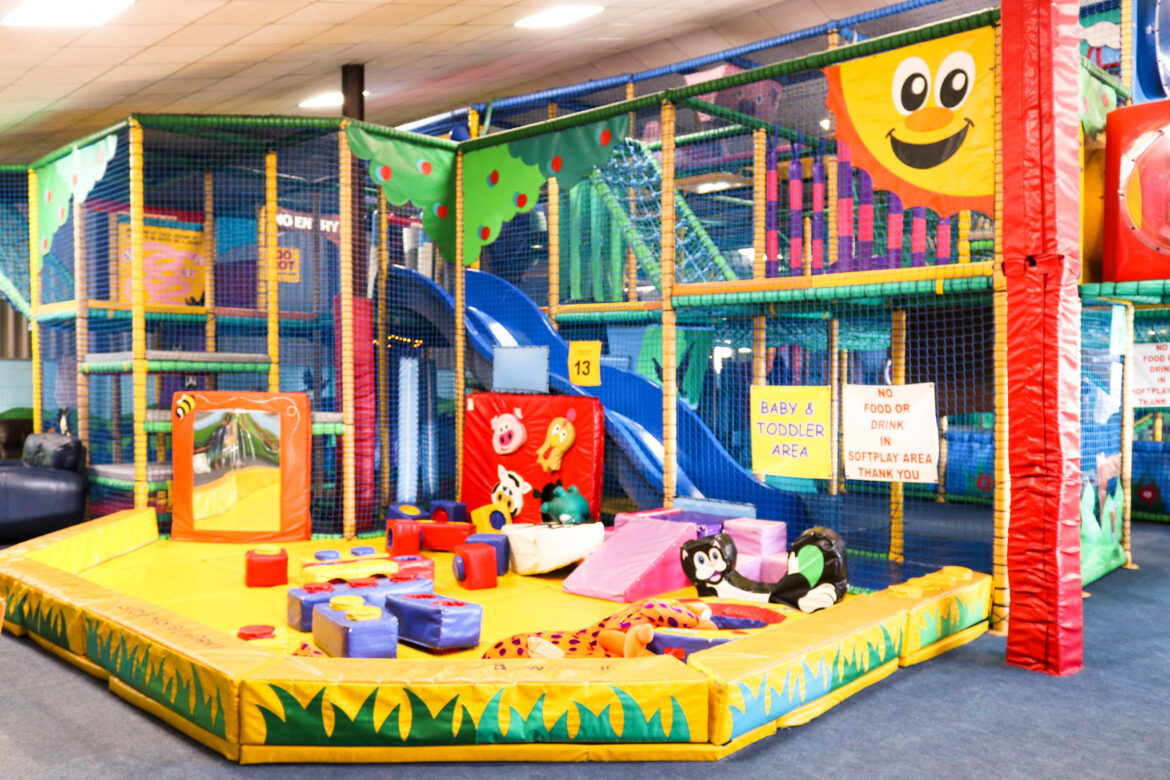
Babies and toddlers have their own section, and there’s also an indoor football table for older kids.
For grown-ups, there’s plenty of seating to watch the children play and have a cuppa – order snacks and drinks from the kiosk inside the indoor play zone and it will be brought across from the tea room for you.
There’s also a small gift shop here for kids to spend their pocket-money at.
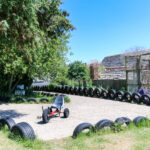
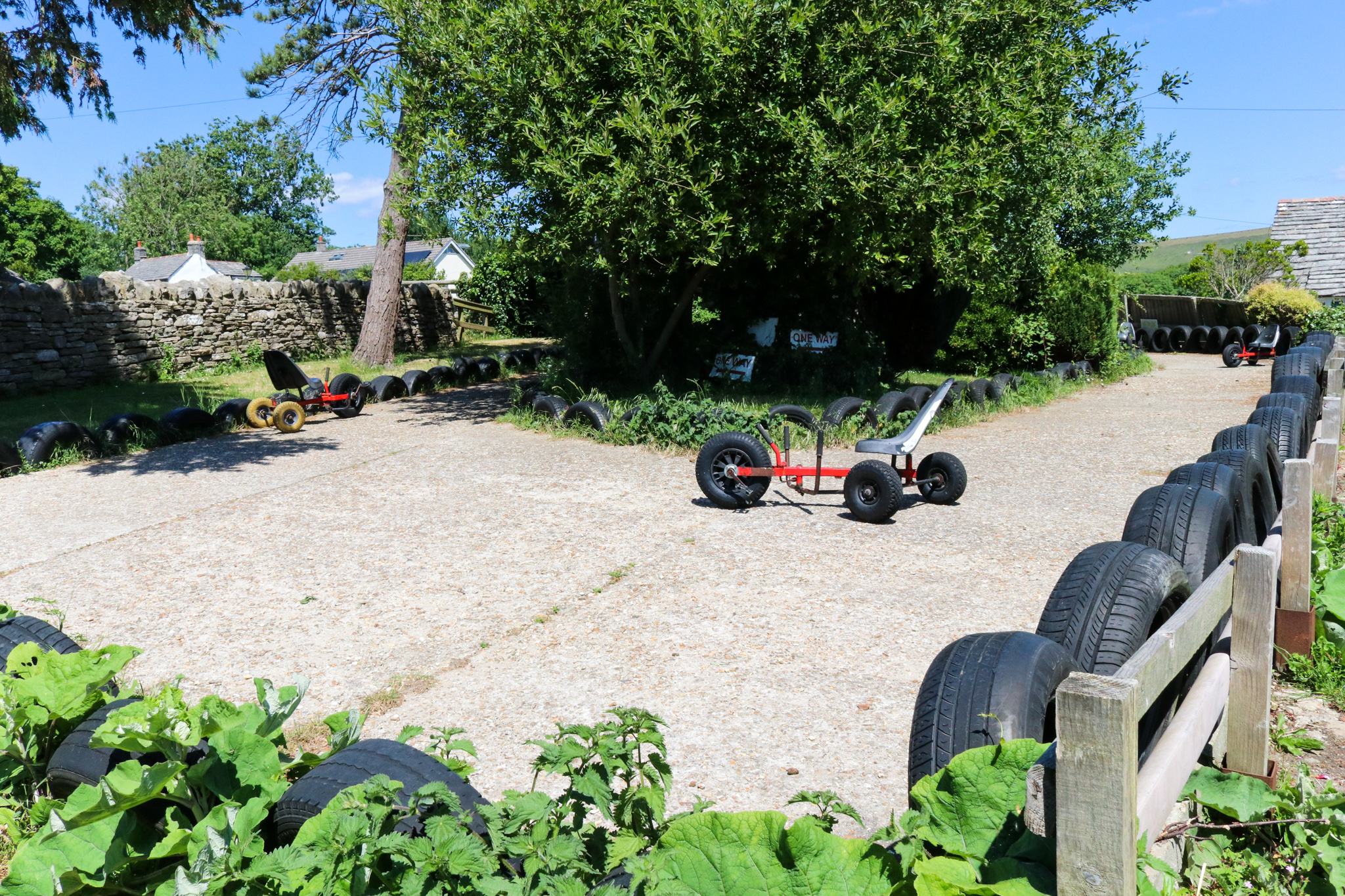
Head outside to race around the pedal go-kart course or challenge yourself on the climbing frames where you can scramble up the cargo nets and whizz down the slides.
You’ll also find small trampolines, a fun sandpit area and ride-ons. There’s even the chance to have a trip around the farm on the tractor-trailer ride.
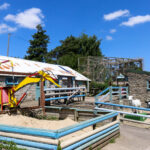
Pretend you’re a farmer by having a go at one of the mechanical diggers to excavate a huge pile of sand or try out Mildred the Milking Goat.
The outdoor playground area is right by the duck pond and has lots of picnic areas and benches, so you can have a snack or lunch when you’re done playing.
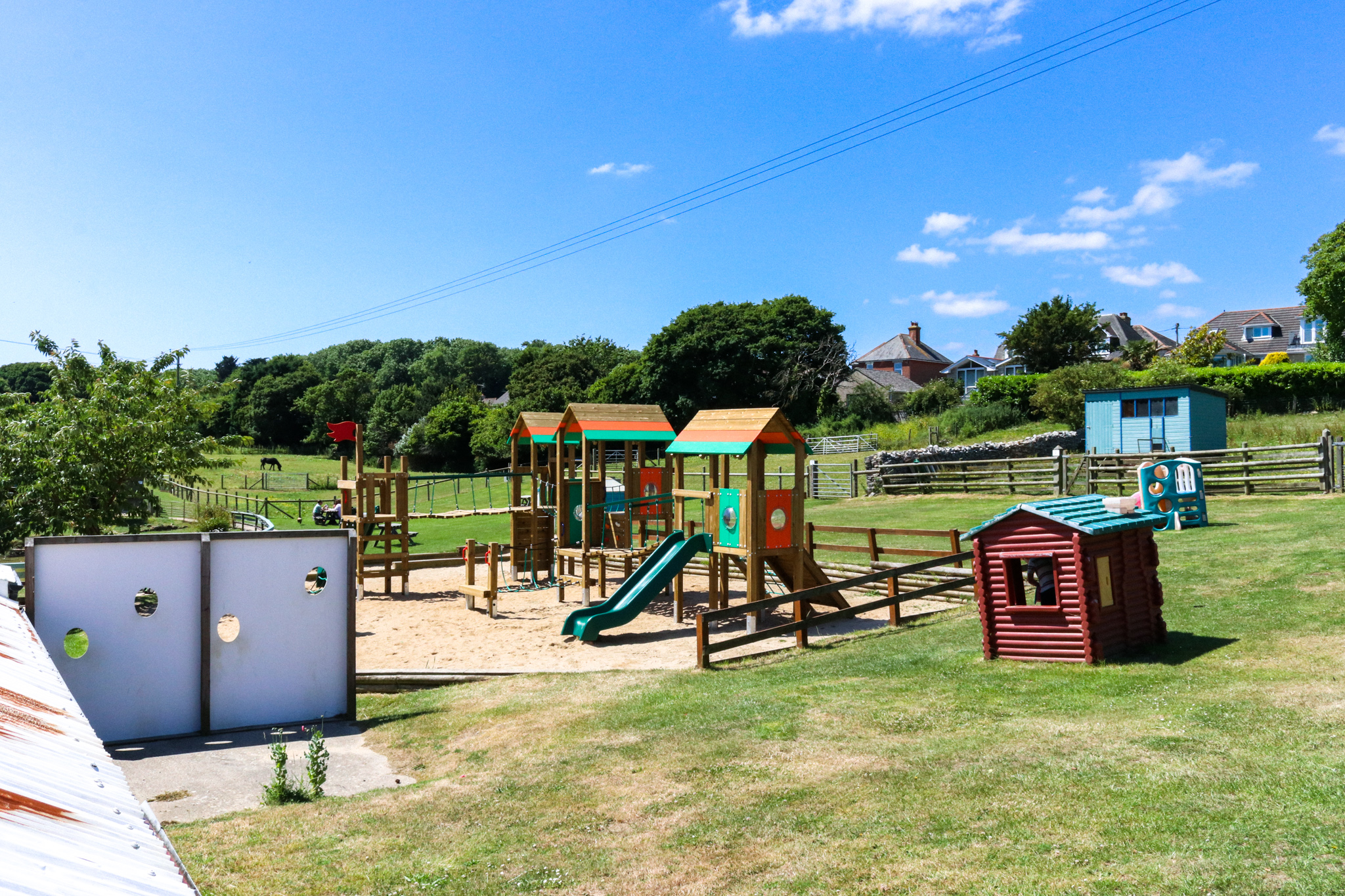
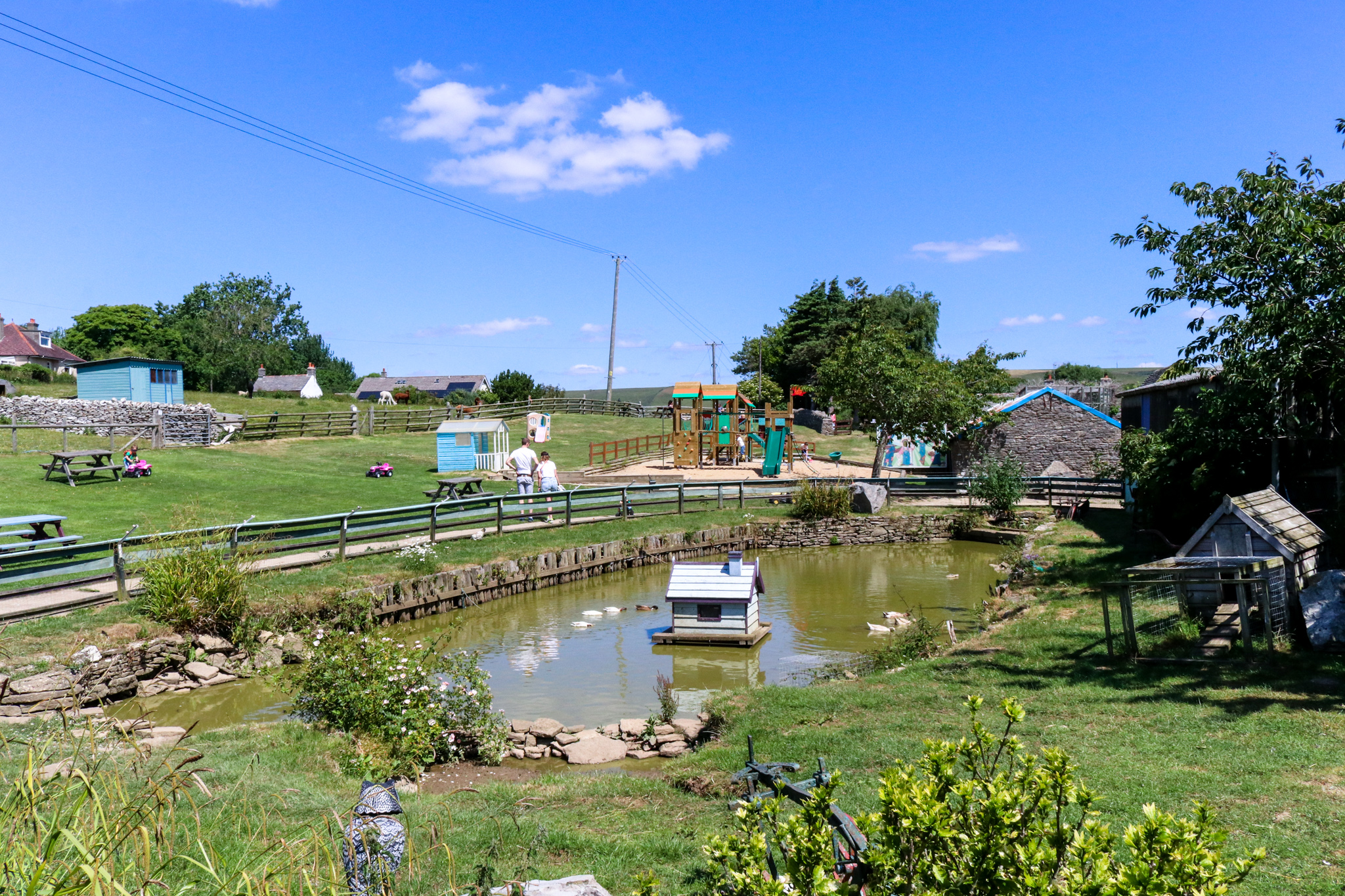

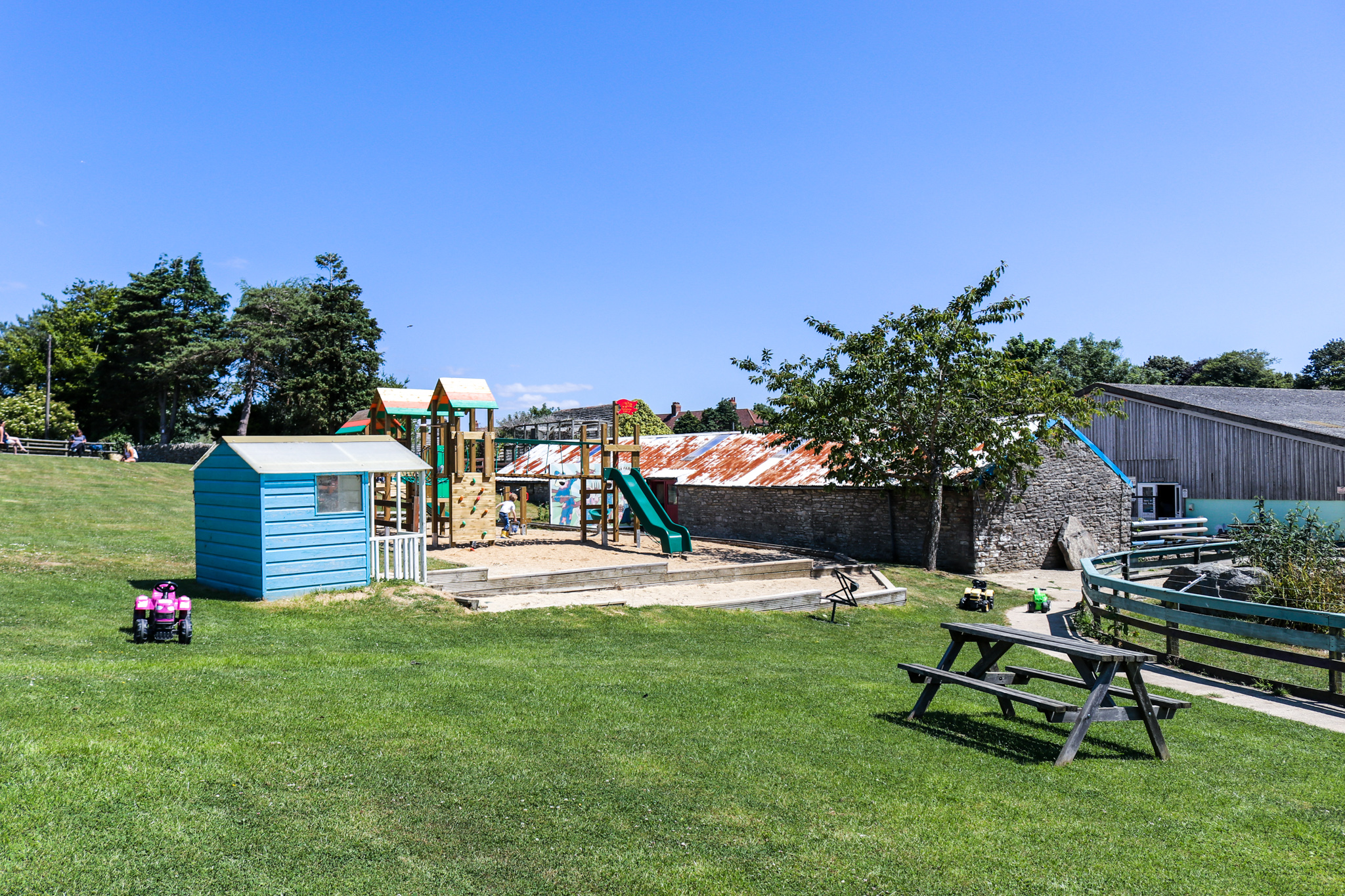
You don’t need to book ahead at Putlake – just turn up and pay on the door.
Putlake Adventure Farm is a great place to celebrate your birthday with your friends and family.
Choose your favourite Putlake activities or have a go at everything – work up an appetite in the indoor soft play area before heading to the specially-decorated party room for your choice of hot or cold party food.
Discover the farm on the fun – and bumpy! – tractor-trailer ride (weather permitting) and see what the animals are up to – if it’s feeding time you can help out, or just sit and have a cuddle with the guinea pigs or groom the ponies.
To book your party at Putlake simply pop in or call on 01929 422917.
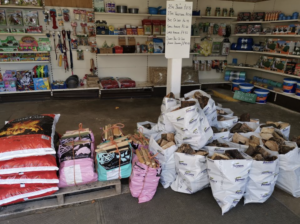
The farm shop at Putlake is a handy amenity for locals and visitors alike, with pet, garden, seasonal supplies and local produce.
There’s also essentials such as logs and gas, and in the run-up to Christmas the shop sells trees and festive wreaths.
If you’re camping at Putlake or at one of the nearby campsites, you’ll find a range of camping items, as well as children’s toys, sweets and souvenirs.
Putlake Adventure Farm is open throughout the year as follows:
Putlake offers camping during the summer, from mid-July to the end of August, for tent and campervans up to a VW T5 size.
This is a quiet, family-friendly site in the village of Langton Matravers, which is just a five-minute drive from Swanage town and beach. Also nearby is the historic ruin and village of Corfe Castle. If you want to leave the car behind for the day, the Number 40 bus stops right outside Putlake.
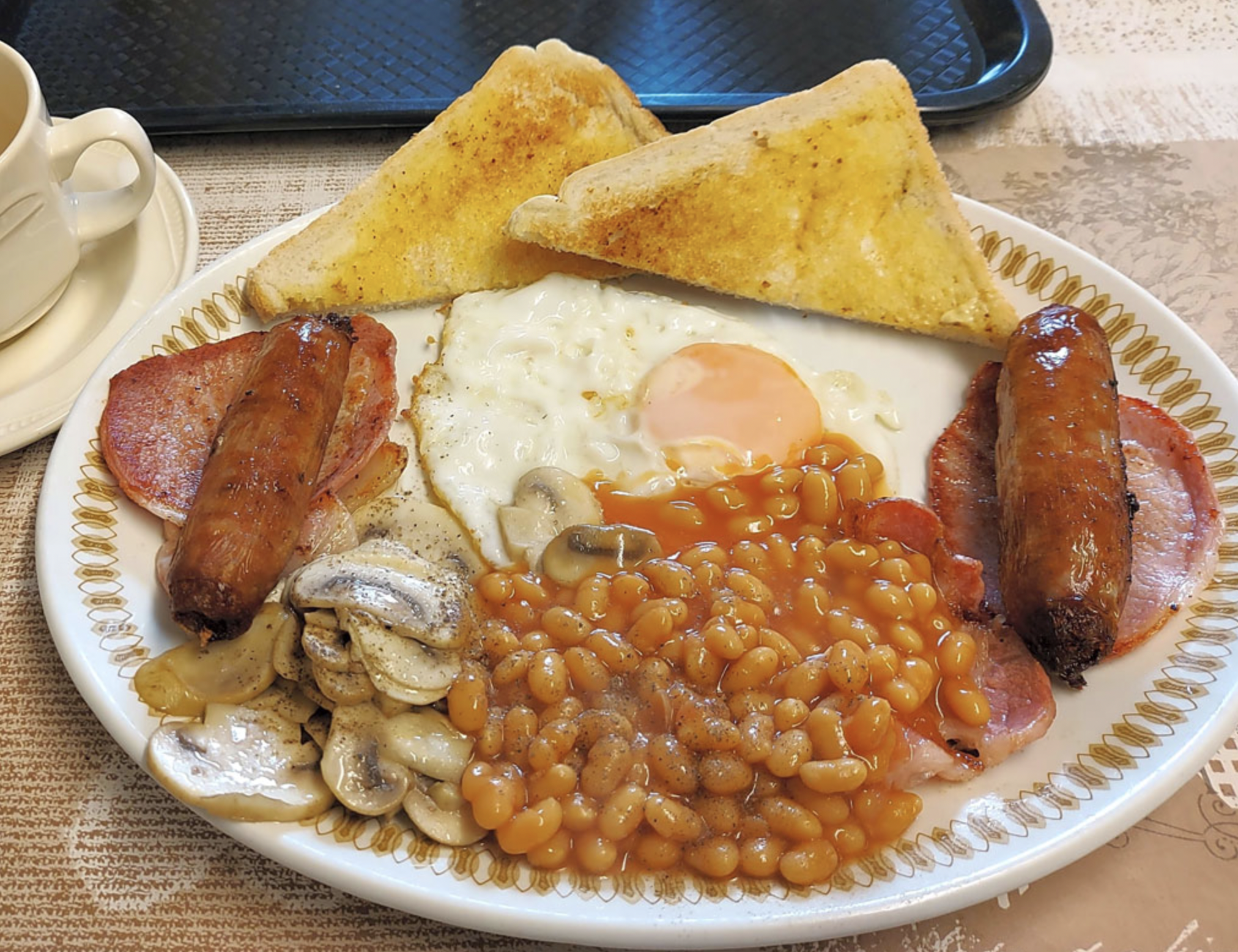
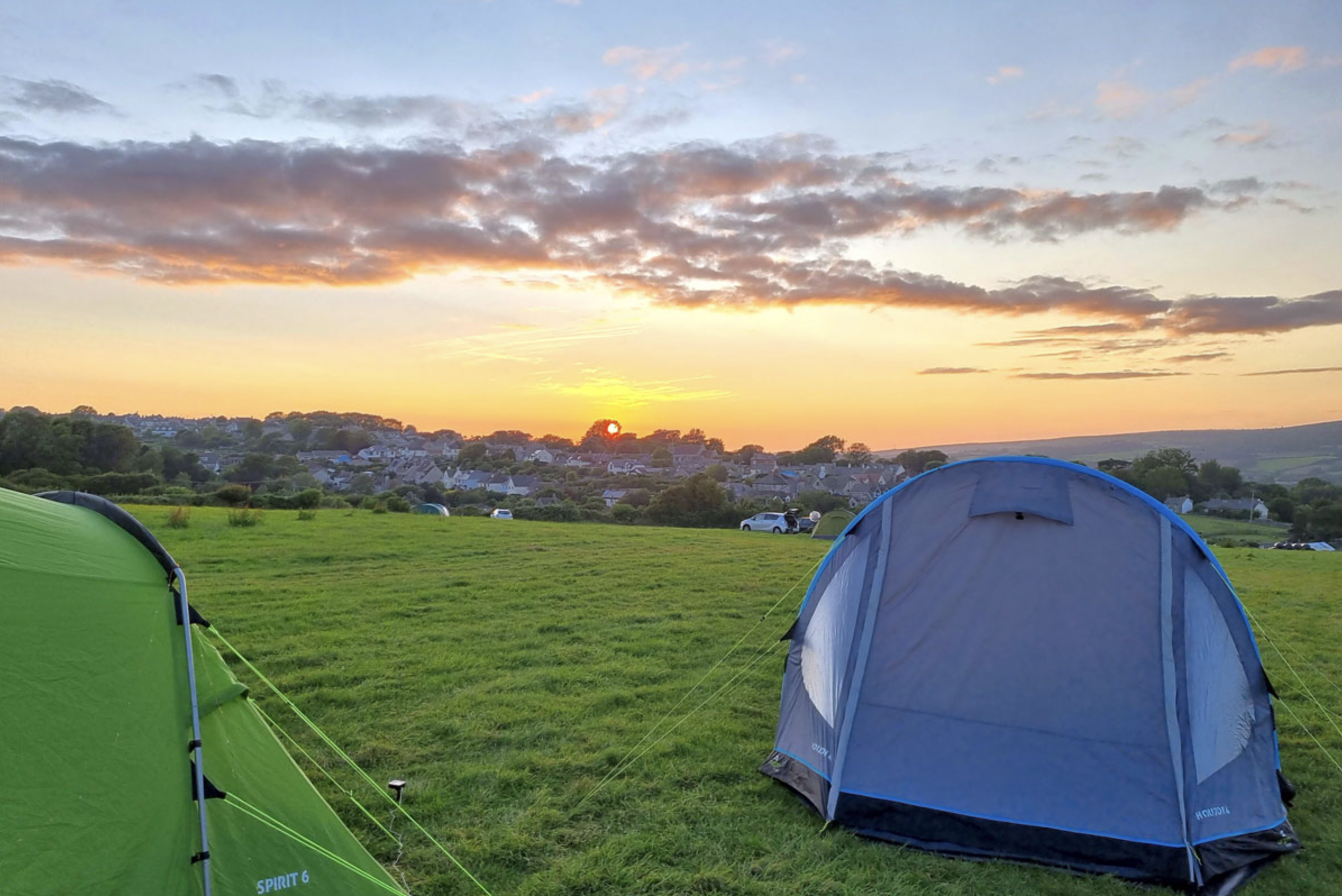
Enjoy great views and plenty of walking trails on your doorstep and of course you can stroll down and hang out with the farm animals and make use of the indoor and outdoor play areas at the on-site petting farm (entrance charges apply).
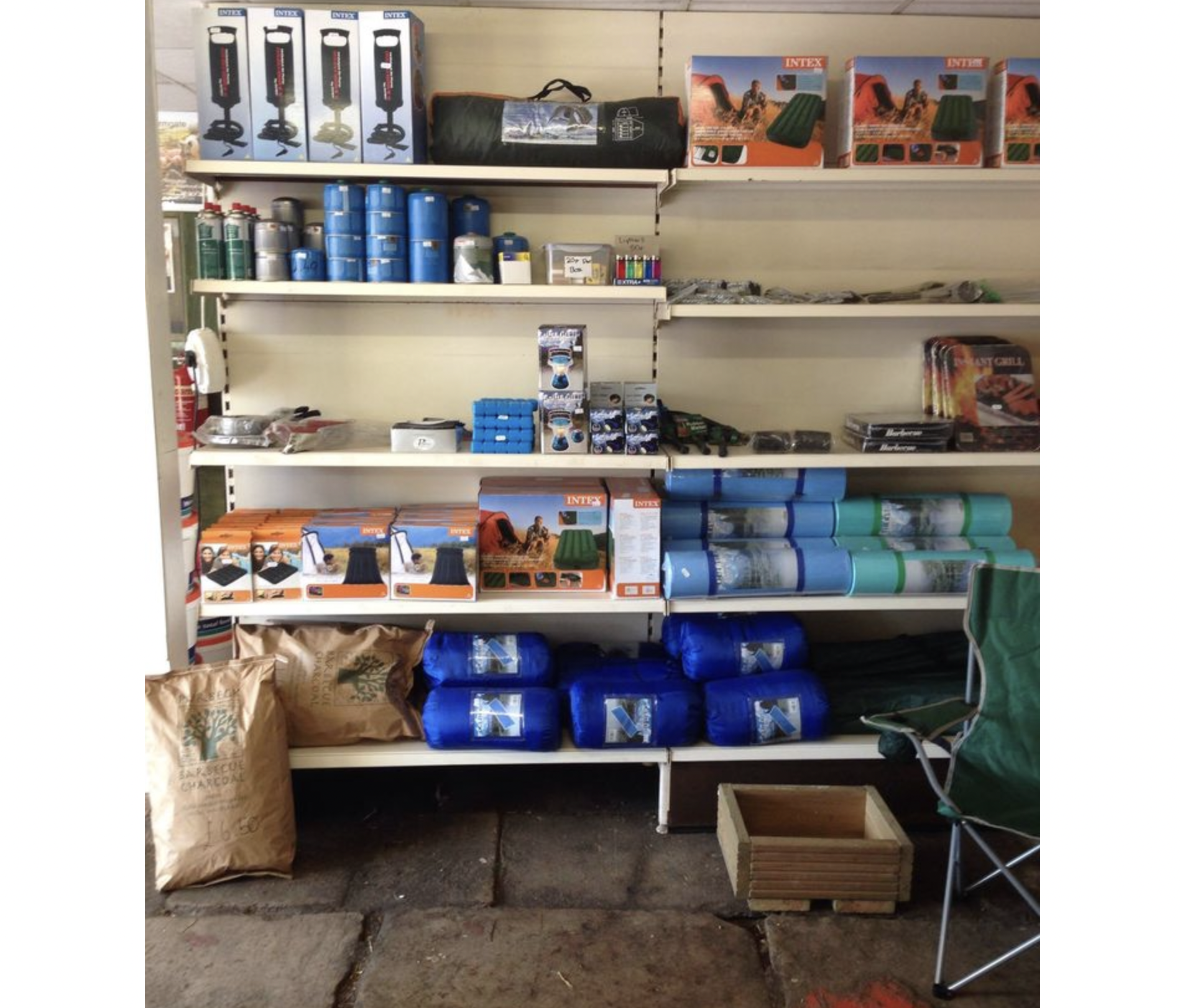
Campsite facilities include toilets, showers (50p per token) and the on-site farm shop, which sells a range of camping gear, such as airbeds, pumps, roll mats, sleeping bags and gas. Note that there is no electric hook-up here at this traditional farm campsite.
You can buy breakfast, snacks or lunch at the farm’s tea room, or visit the village pub, The King’s Arms, just a short walk up the road.
Campfires are permitted – please purchase logs and coal from the farm shop.
Either call the farm to let them know when you want to come and stay or book via pitchup.com: www.pitchup.com/campsites/England/South_West/Dorset/Swanage/putlake-adventure-farm/
Prices are shown per night:
Additional adults can stay at a cost of £6 a night and extra children are £3.
Extra cars, awnings or gazebos are £3 per night.
Note that the normal entrance fee to the adventure farm applies to campers.
Call, email or pop in to enquire about booking a party or camping pitch.
You can also book the campsite via pitchup.com, where you can read handy tips from other campers who enjoyed their stay.
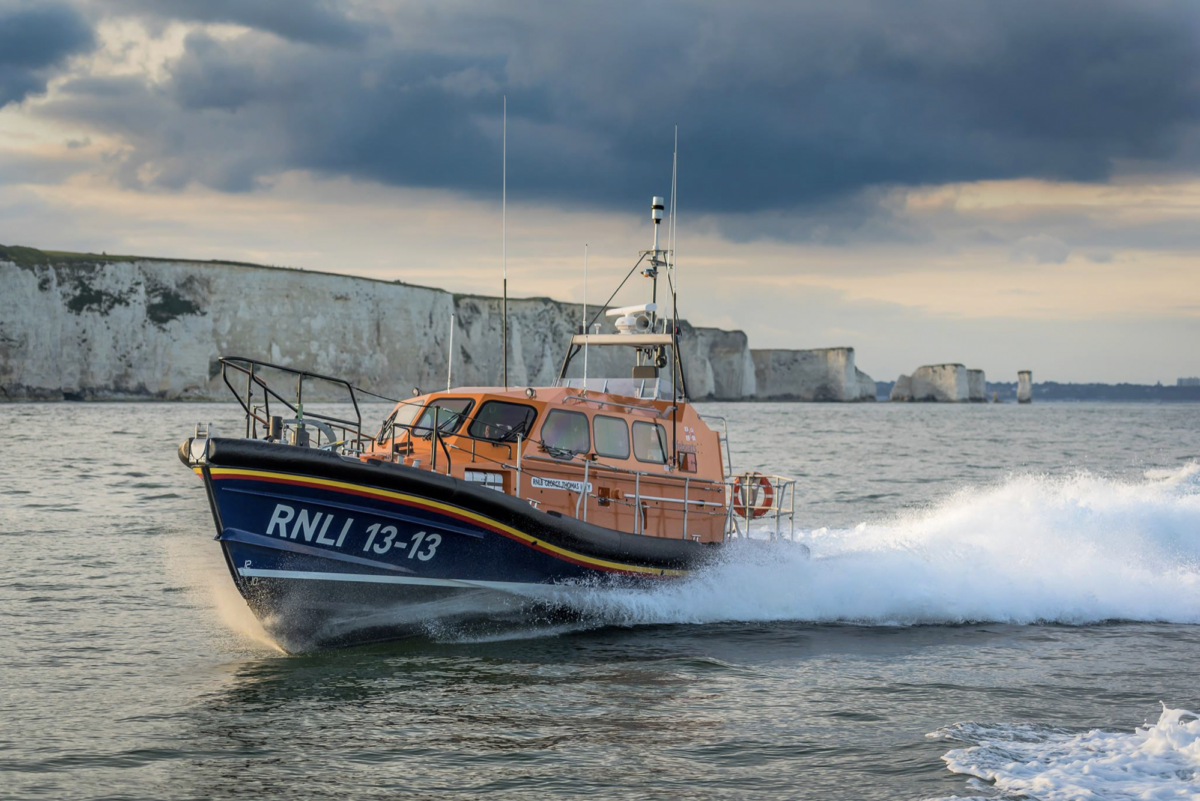
Swanage Lifeboat Station has been a central part of the seaside town and community of Swanage since its inception in 1875.
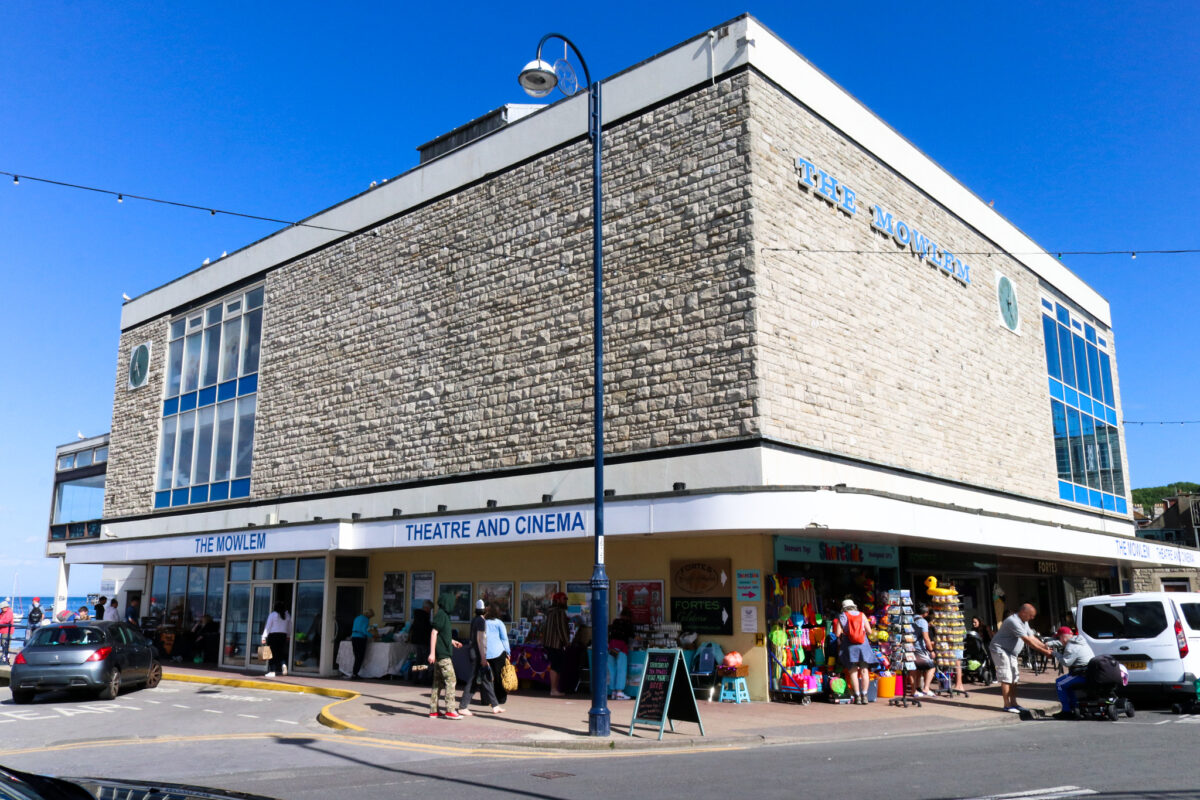
The Mowlem is one of Swanage’s most prominent features – a beachfront cinema, theatre and function rooms right in the heart of town.
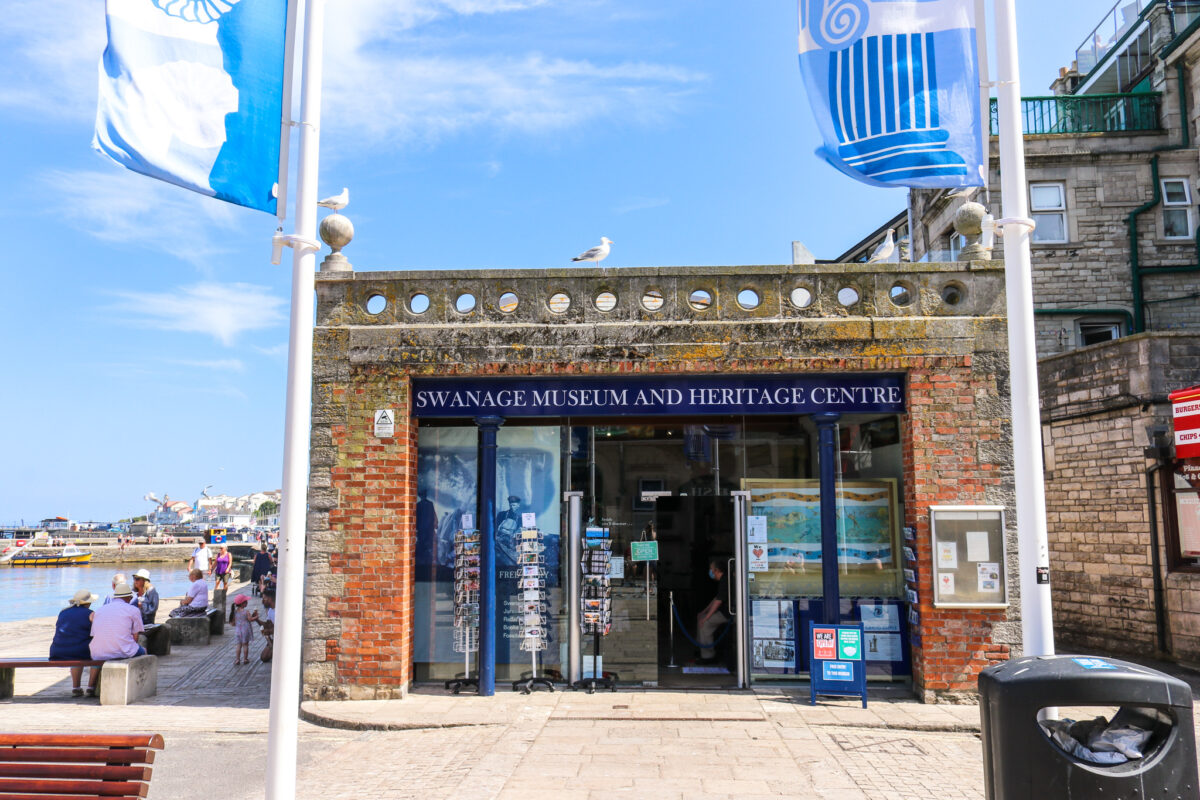
Located centrally in Swanage’s Square and right by the sea, is Swanage Museum & Heritage Centre – a pocket-sized vault of Purbeck history.
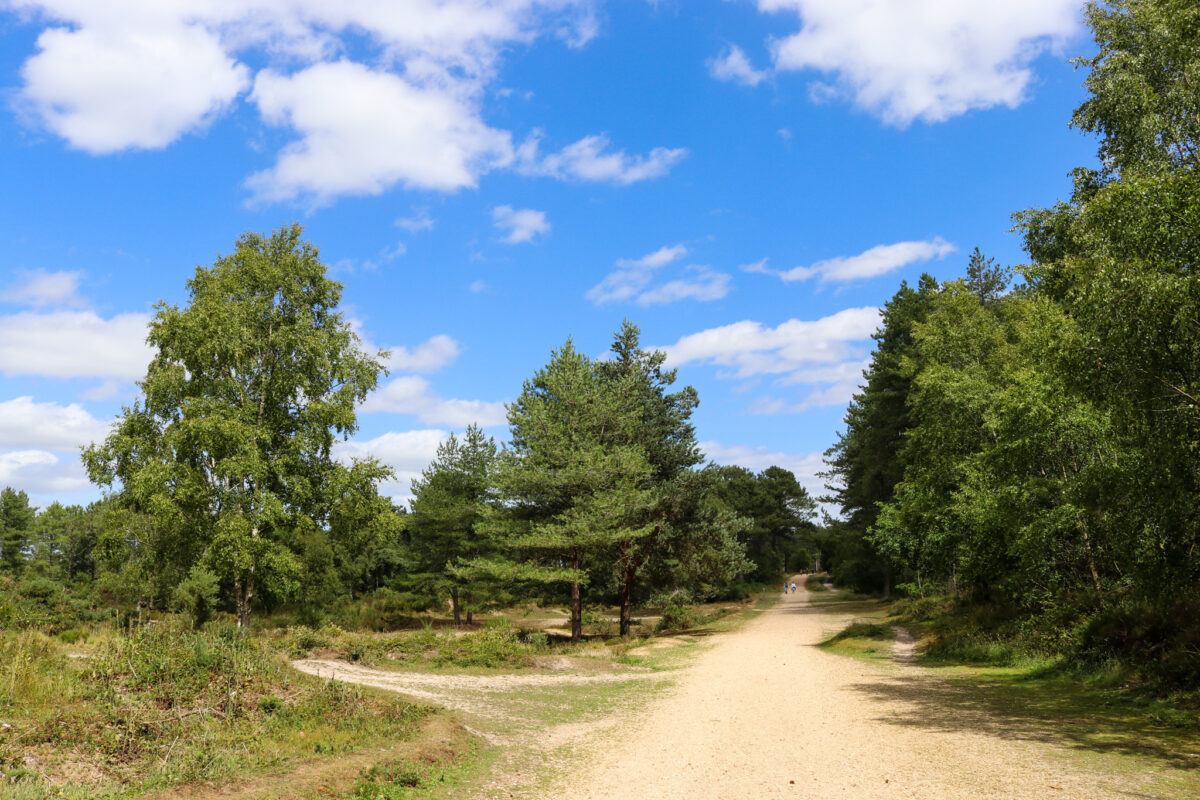
Walk, run, cycle or ride through miles of woodland and heathland tracks in the 3,700 acre Wareham Forest, on the Isle of Purbeck’s doorstep.
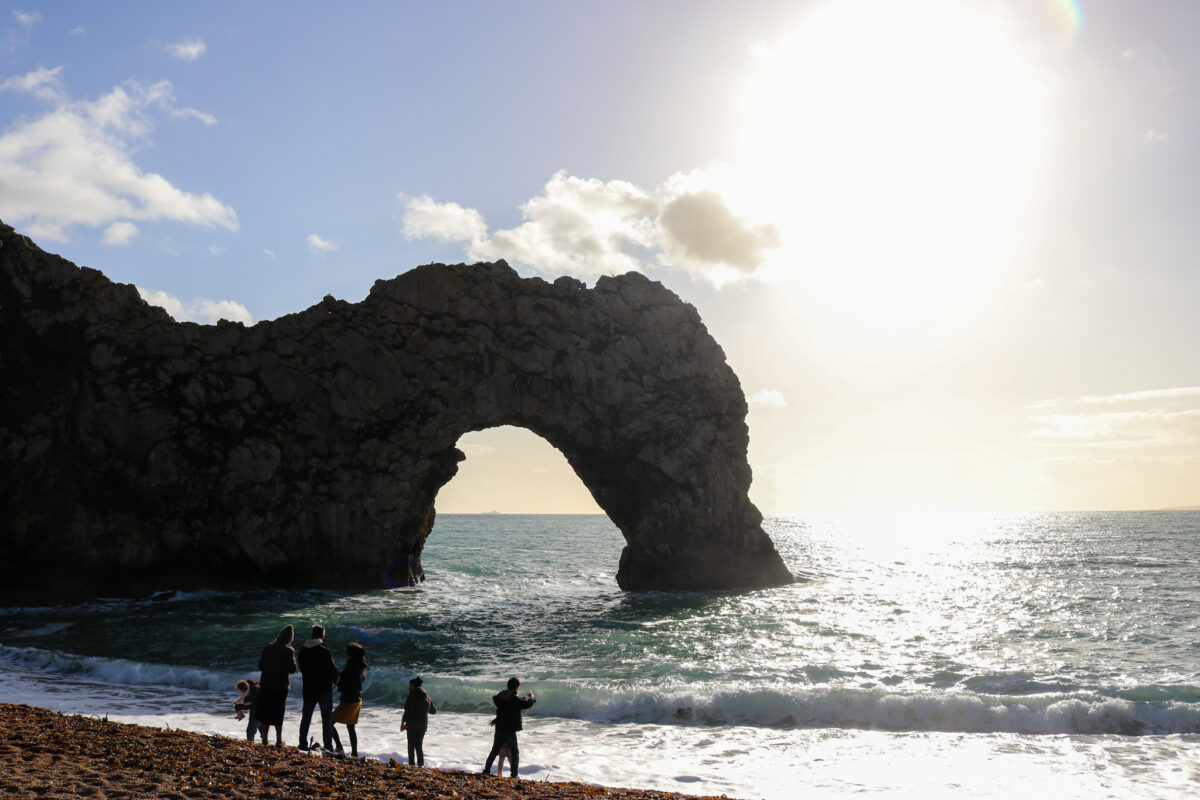
One of the most-loved natural landmarks of Dorset and a highlight of the Jurassic Coast World Heritage Site, Durdle Door attracts thousands of visitors every year.
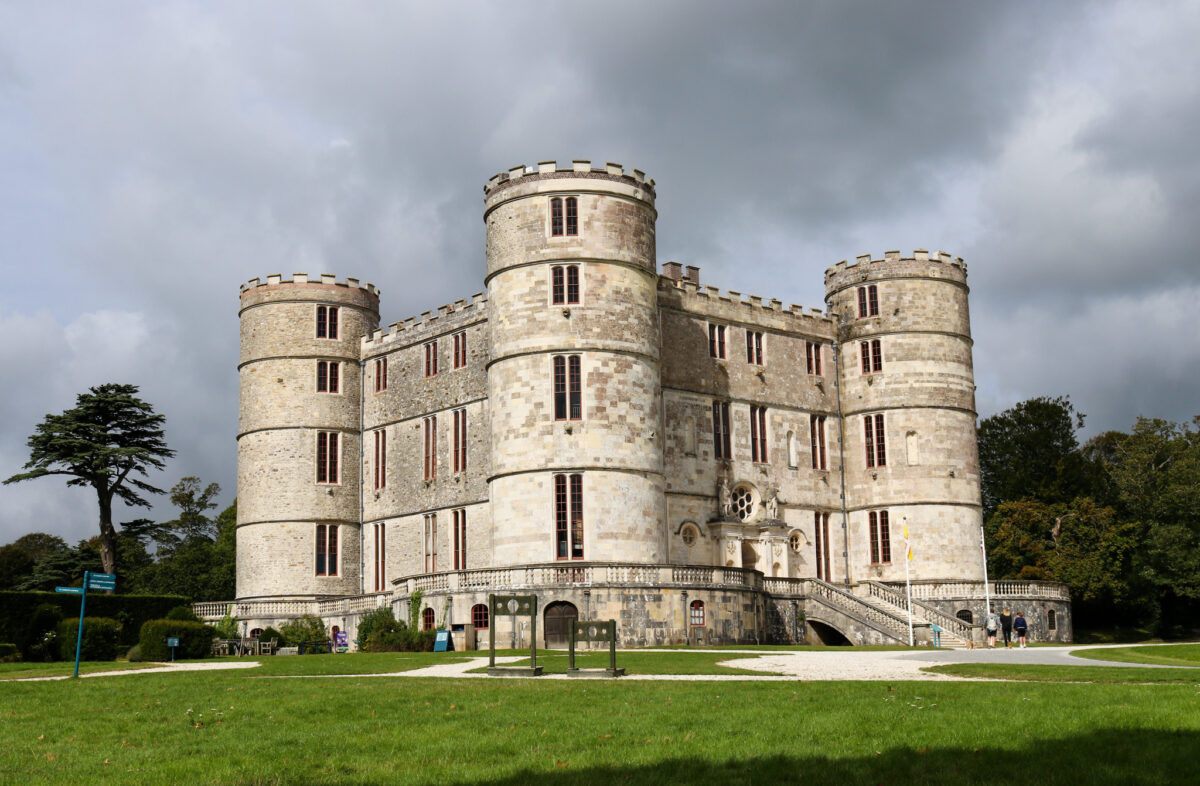
The romantic 17th Century Lulworth Castle set in the grounds of Lulworth Park and Estate makes for a fascinating family day out.
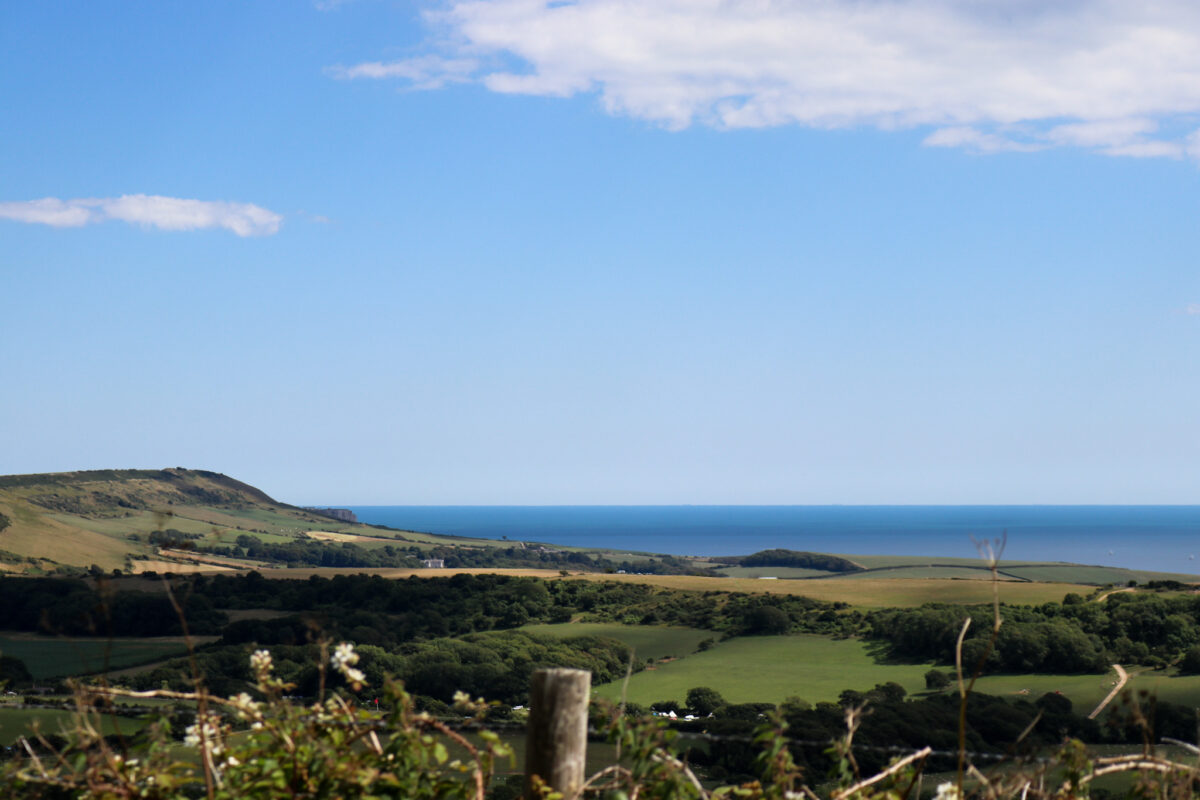
An intriguing way to explore the Purbeck countryside and Jurassic coastline is via the Lulworth Range walks.
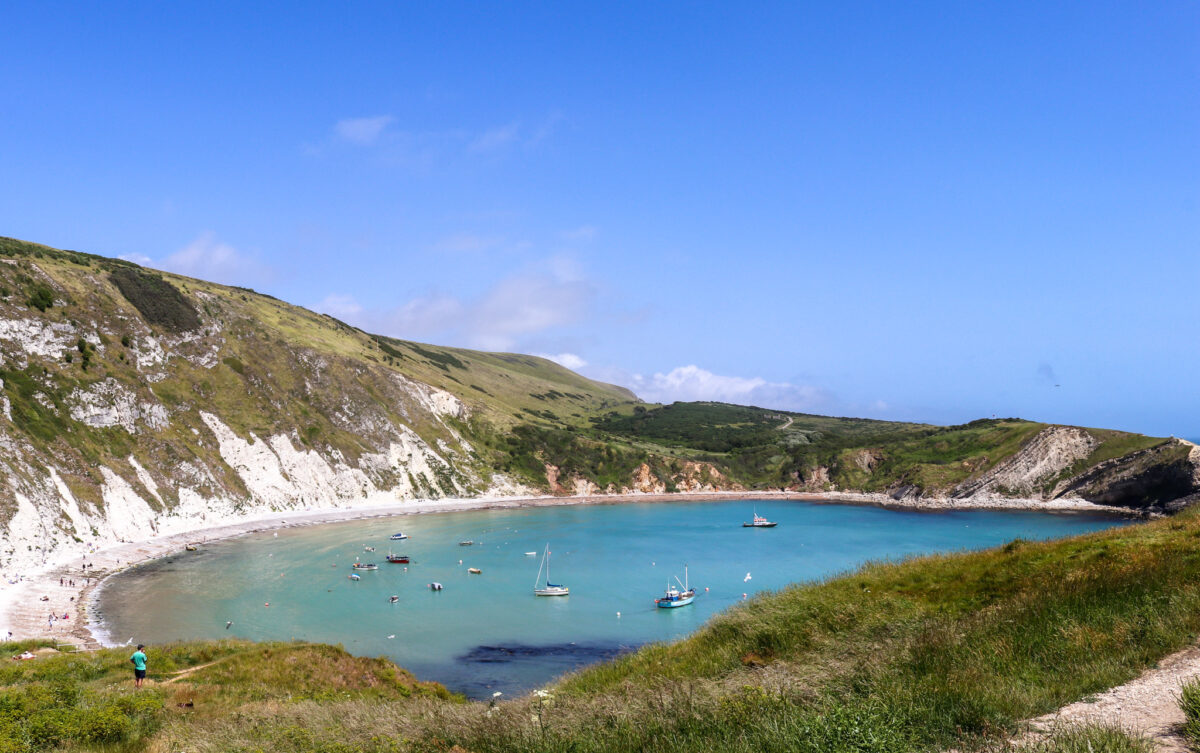
Nestled at the foot of the picturesque village of West Lulworth, Lulworth Cove is one of the most photographed beauty spots in Britain and an important geological area of the Jurassic Coast World Heritage Site.
Purbeck’s only waterpark is located just outside Corfe Castle.
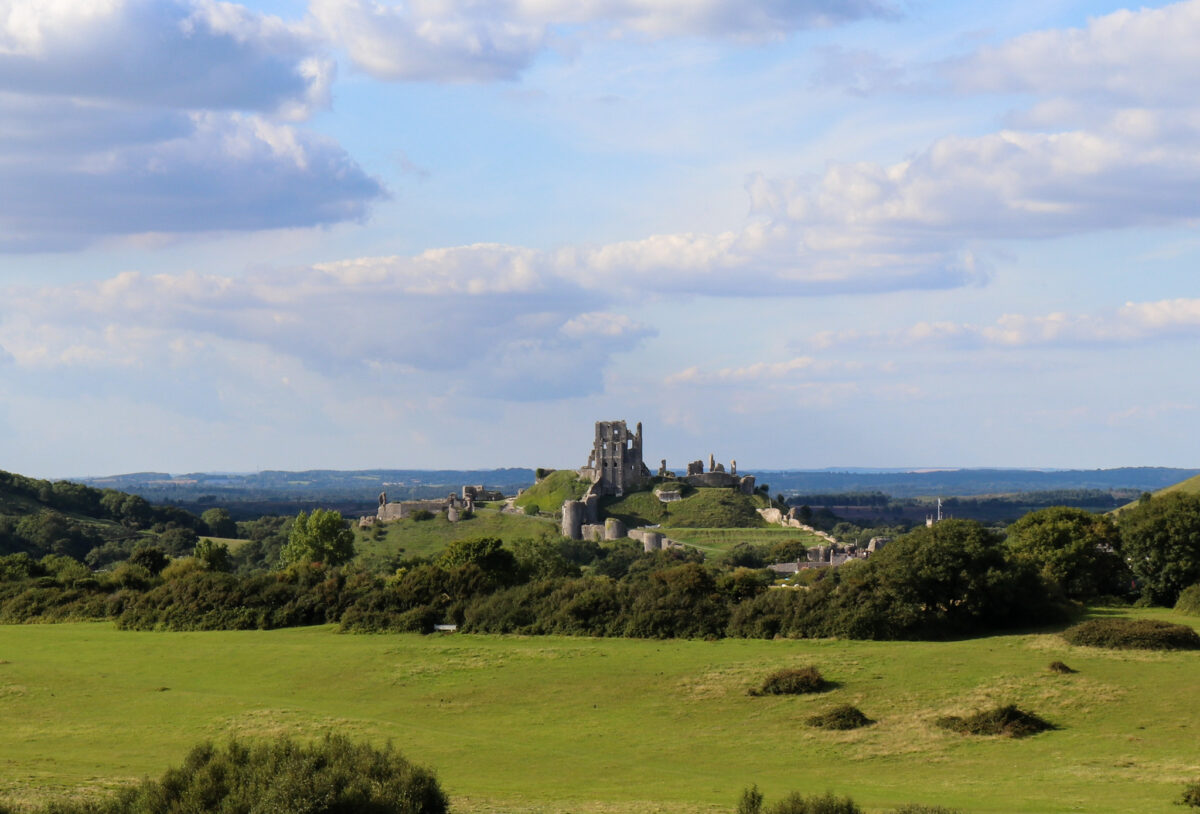
Standing watch over the village of the same name, Corfe Castle is an iconic and striking ruin, synonymous with the Isle of Purbeck.
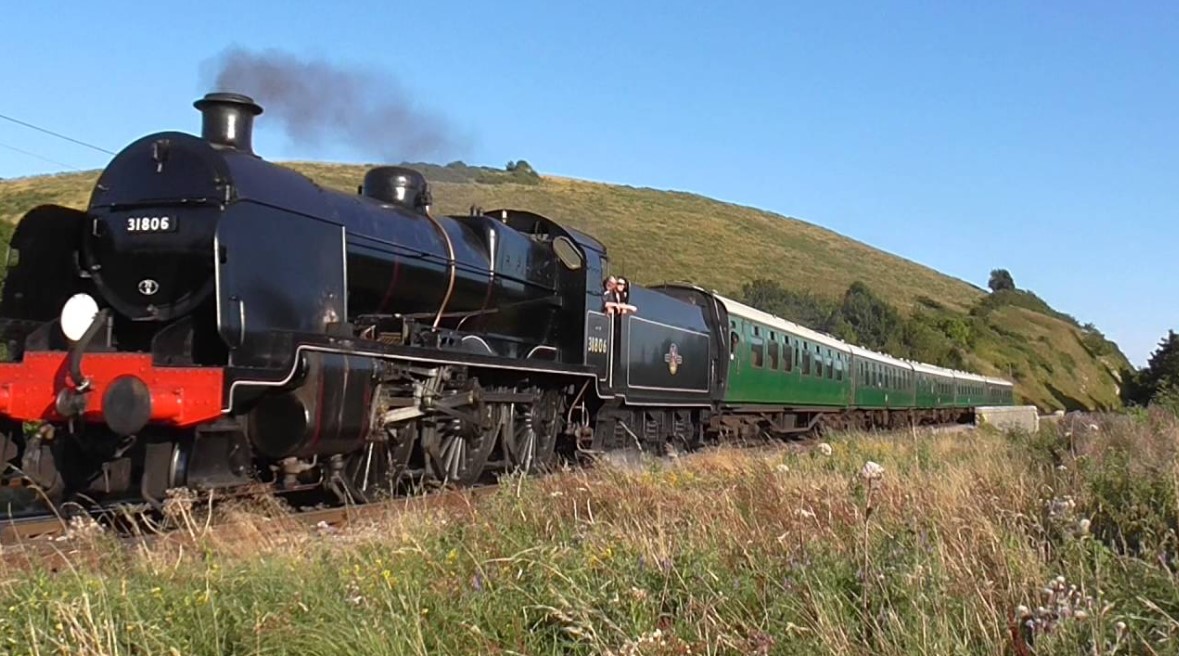
Take a trip through time on the Isle of Purbeck’s heritage railway.
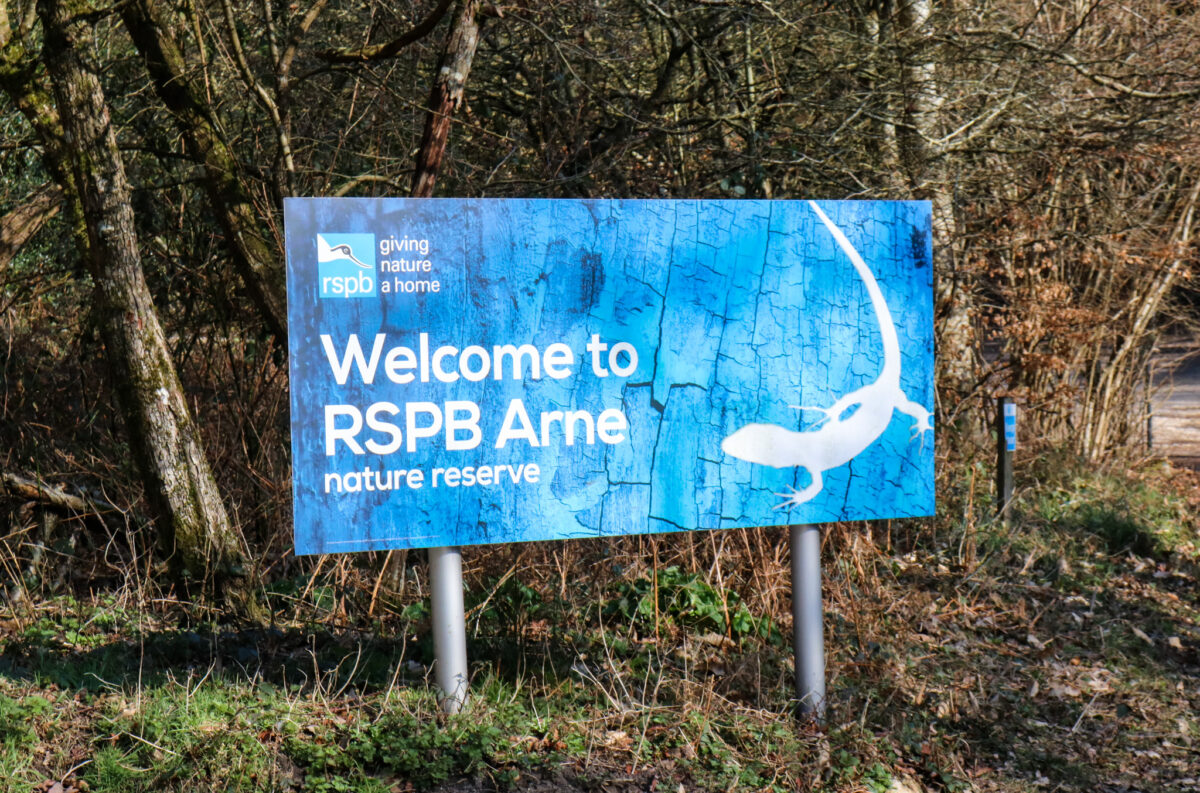
The RSPB nature reserve at Arne is perfect for both a short stroll through the woodland or a full day out walking and exploring.
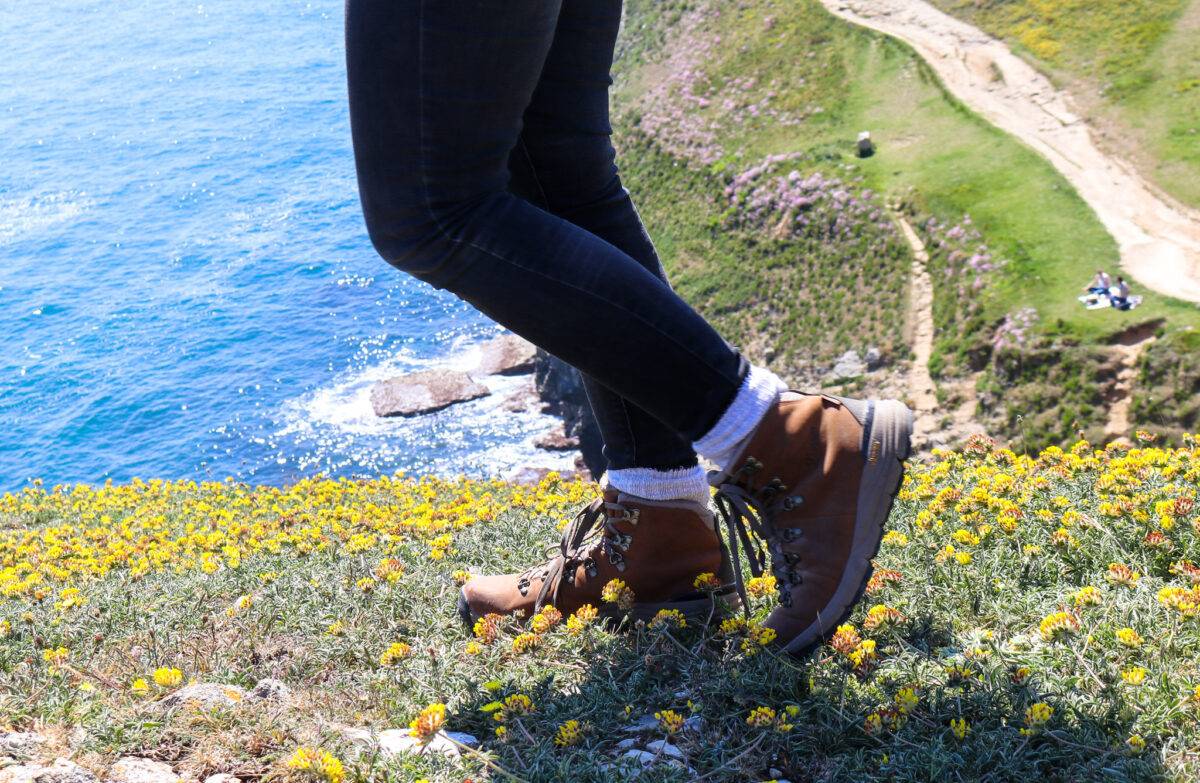
We are spoilt for choice in Swanage and the Isle of Purbeck with so many wonderful places to explore.
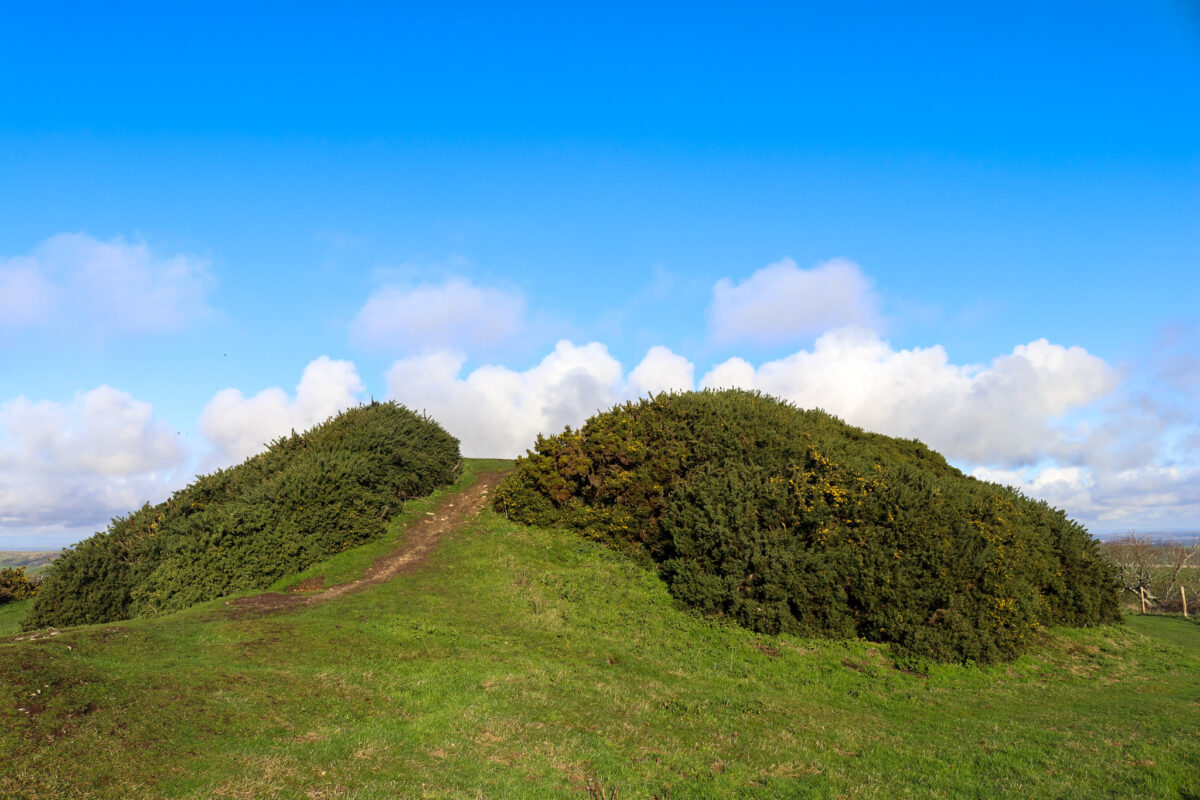
Standing proudly as the highest point of Purbeck, you can walk to Swyre Head from various locations.
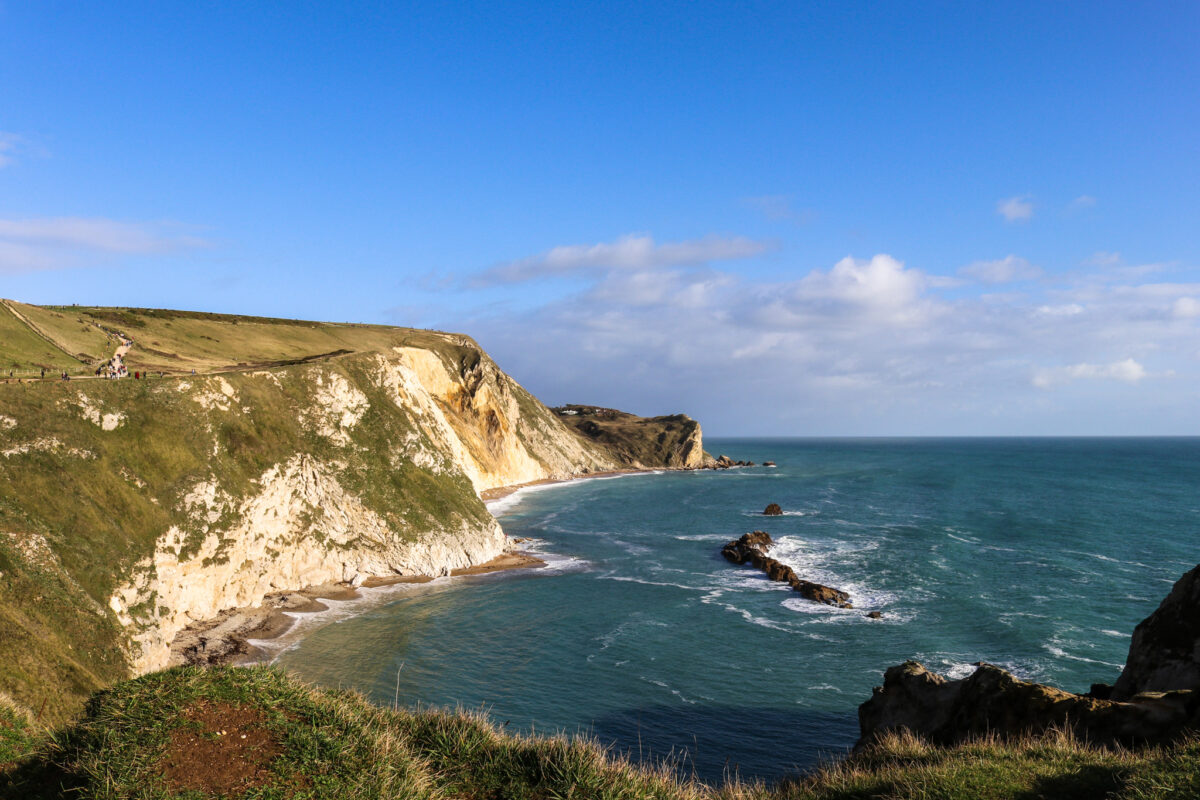
The smaller of Durdle Door’s two beaches, Man O’ War Bay, is an enclosed cove, perfect for picnicking and wiling away the hours in a stunning setting.
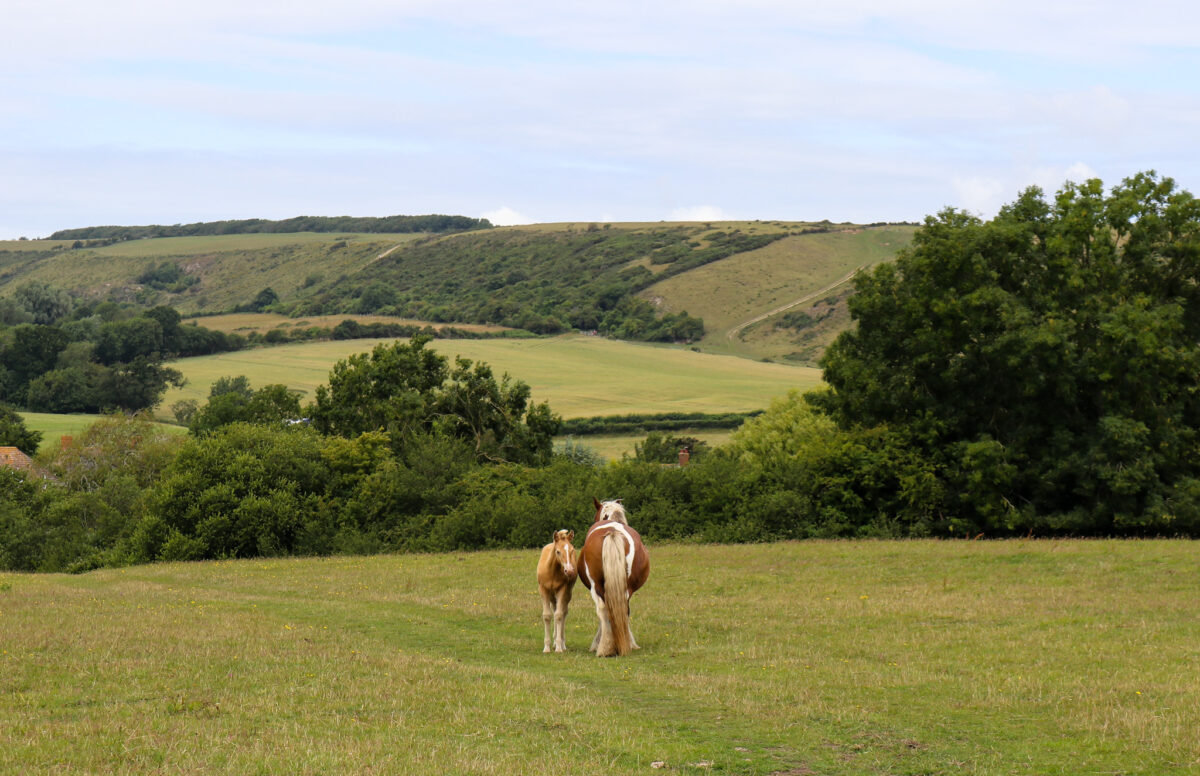
The Isle of Purbeck is arguably best viewed from atop its rolling hills as they fall away into picturesque villages and farmland on one side, into the stunning and famous landform-dotted sea on another, and with views reaching across Poole Harbour at yet another.
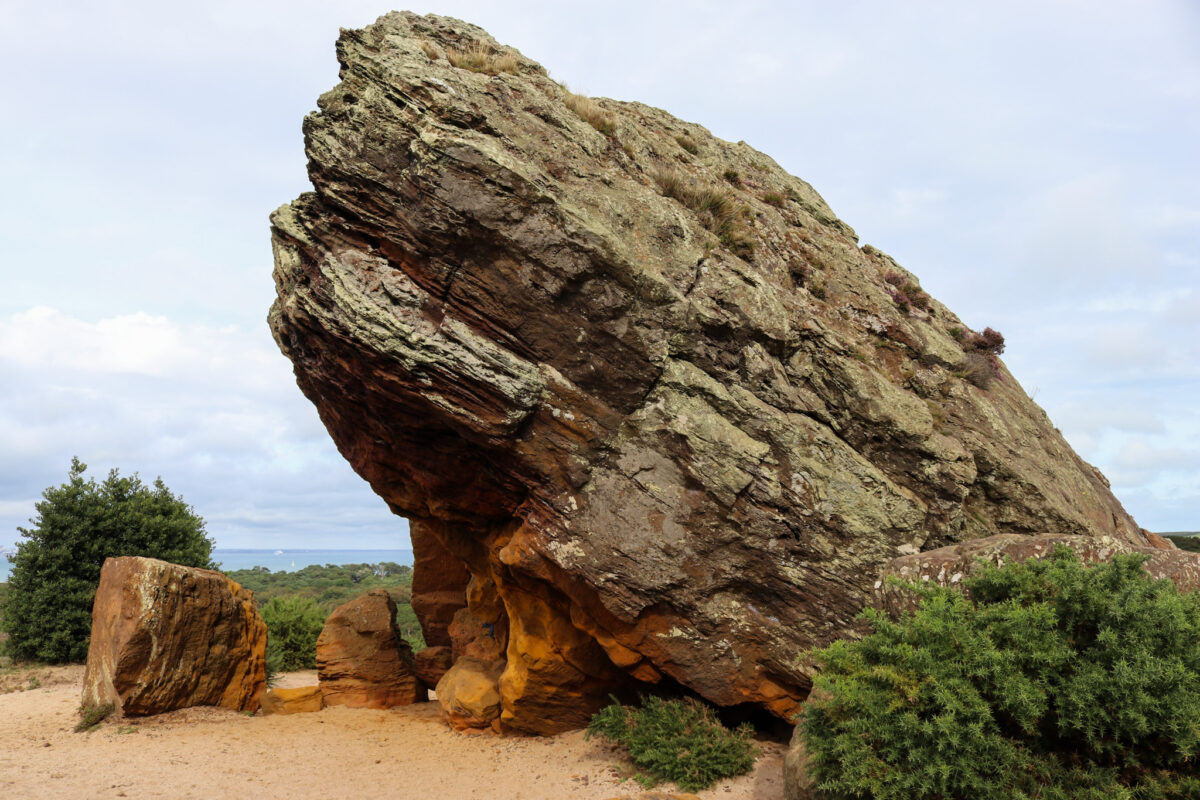
The Agglestone is one of Purbeck’s curious and quirky landmarks that have been delighting – and puzzling – people for generations.
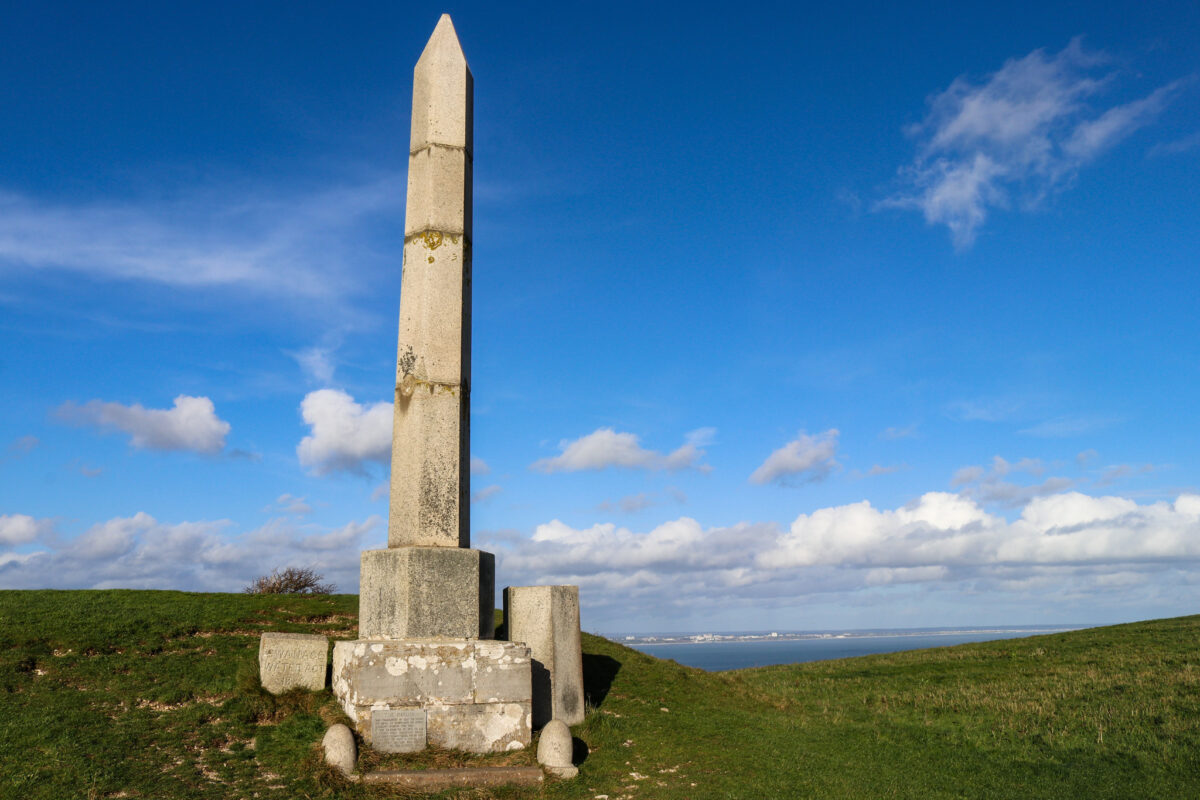
This towering hexagonal monument was brought to Swanage from London by George Burt – a local businessman and founding father of much of the town – in 1892.
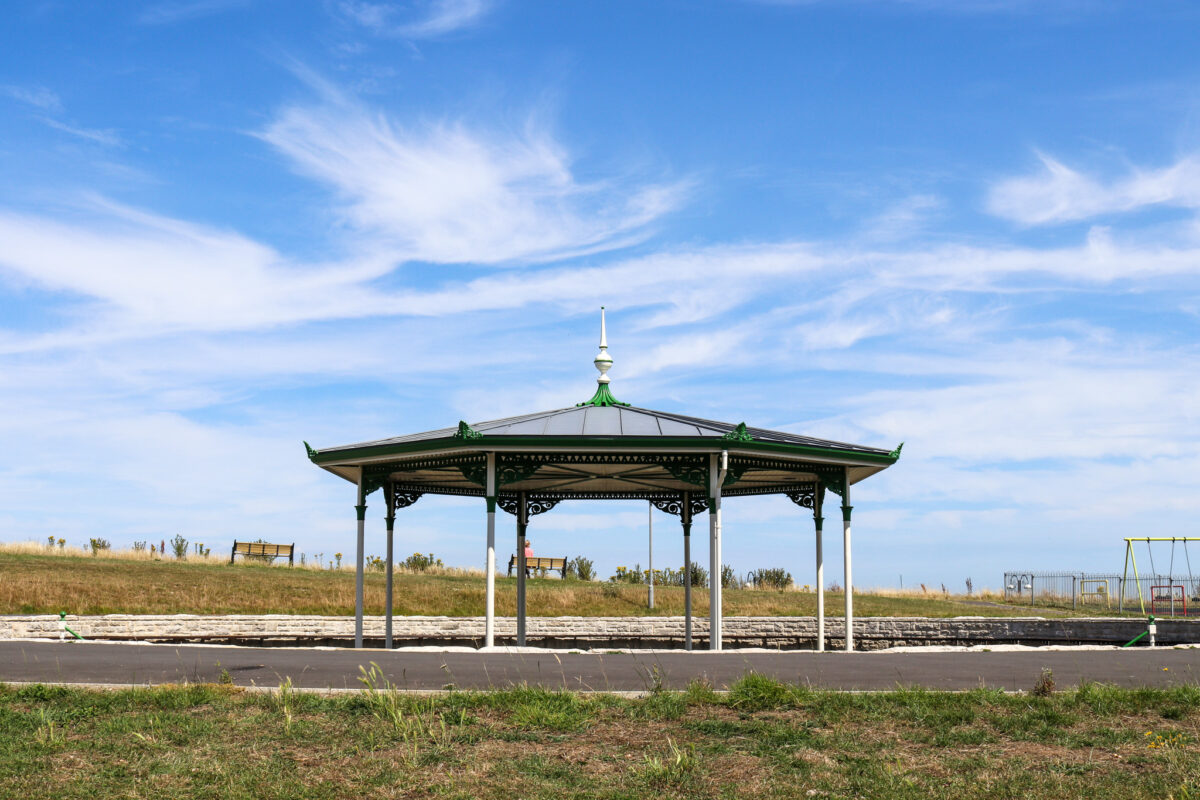
Stop by Swanage Bandstand for a quick bit of truly local history – or plan your visit for when an event is taking place to experience some good, old-fashioned entertainment.
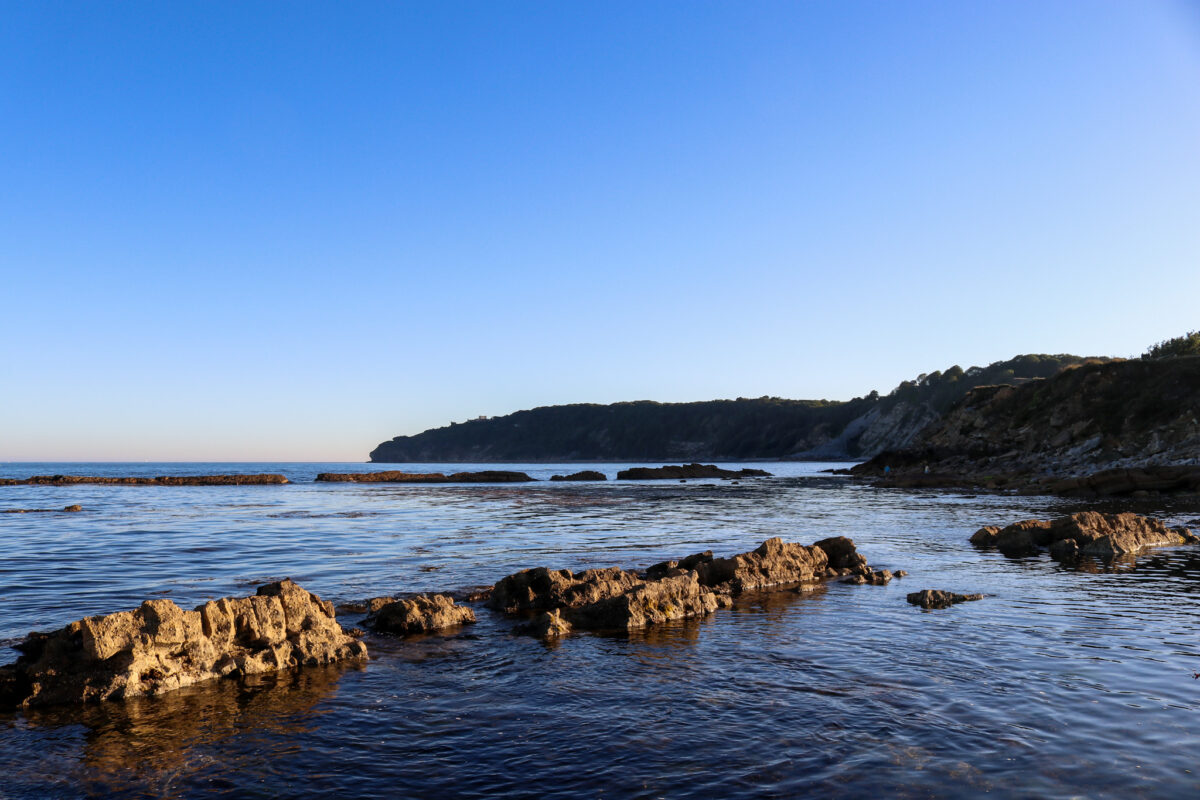
Durlston Castle and Country Park sit on the promontory of land that is Durlston Head.
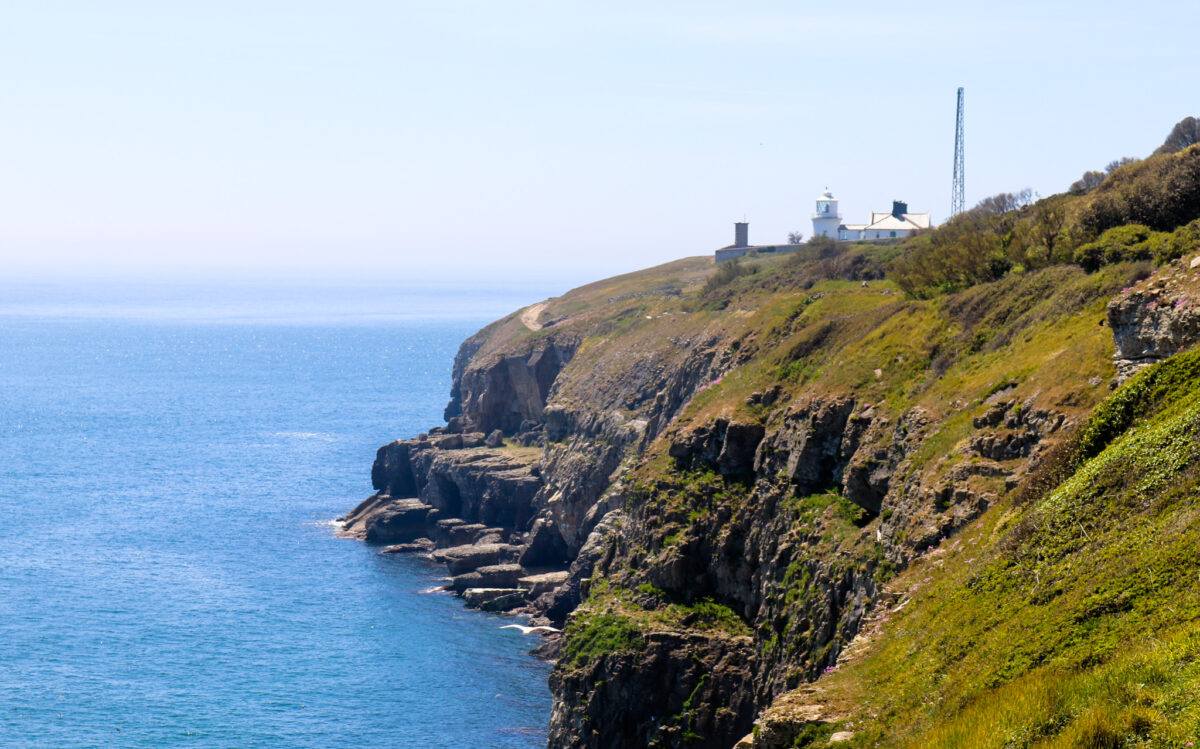
Home to the Anvil Point Lighthouse, built in the 1800s, the headland of Anvil Point is just one location for stunning seascapes and excellent walking within Durlston Country Park.
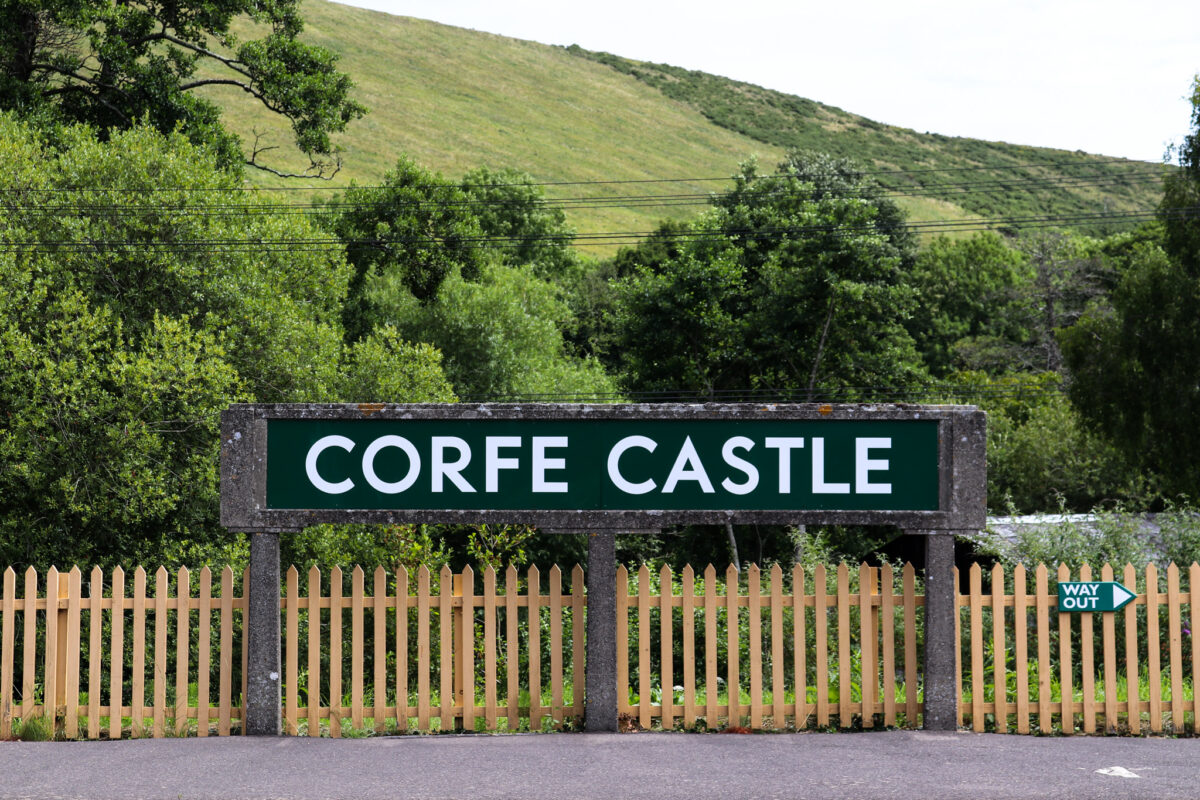
Whether or not you’re taking a trip on a Swanage Railway steam train, Corfe Castle Railway Station itself is well worth a visit, for its vintage charm and picture-postcard photo opportunities.
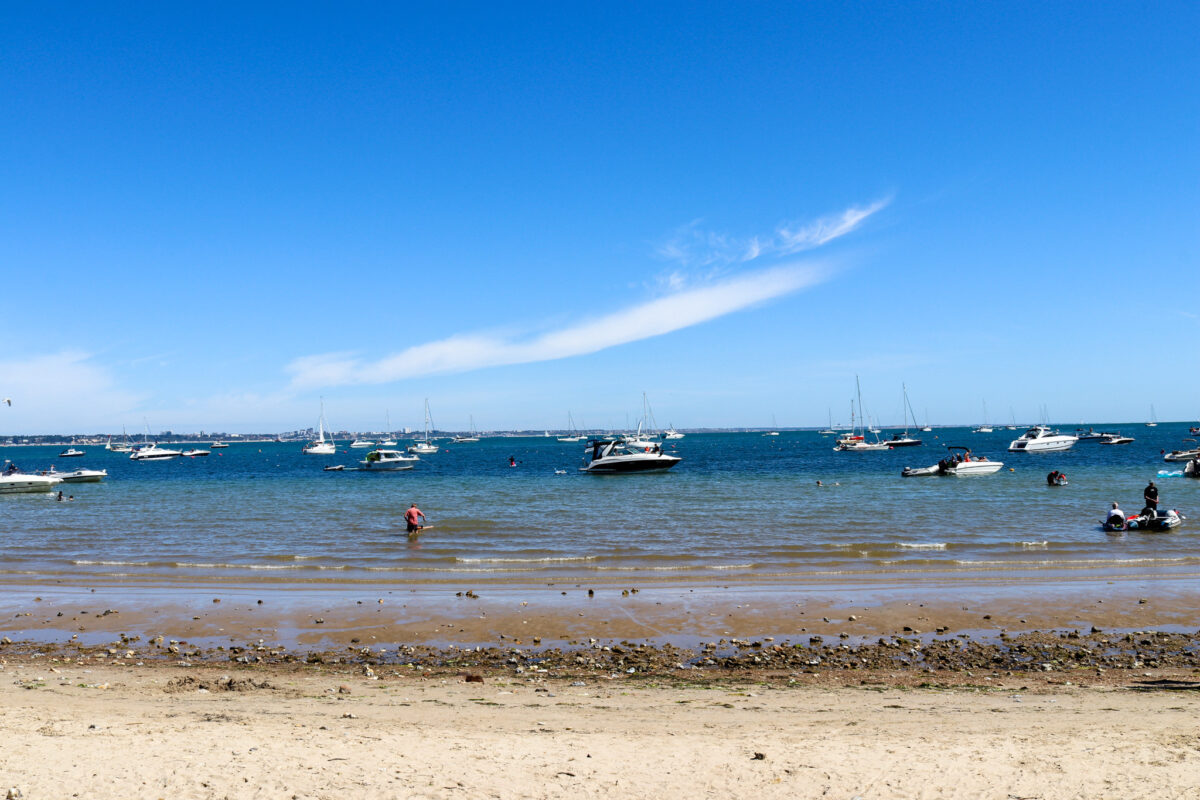
If you love Studland’s beaches but would prefer a more local vibe head to South Beach.
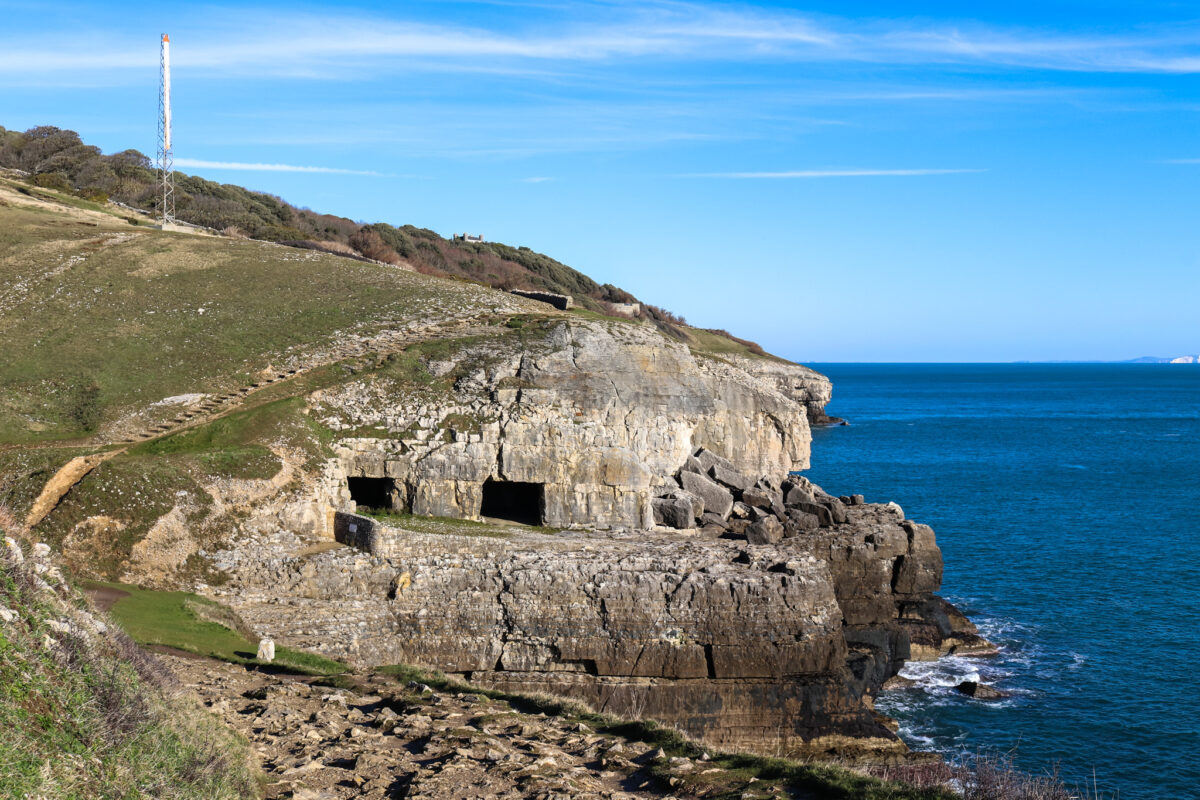
These caves are what is left over after the area was used to quarry Purbeck stone in the 1800s.
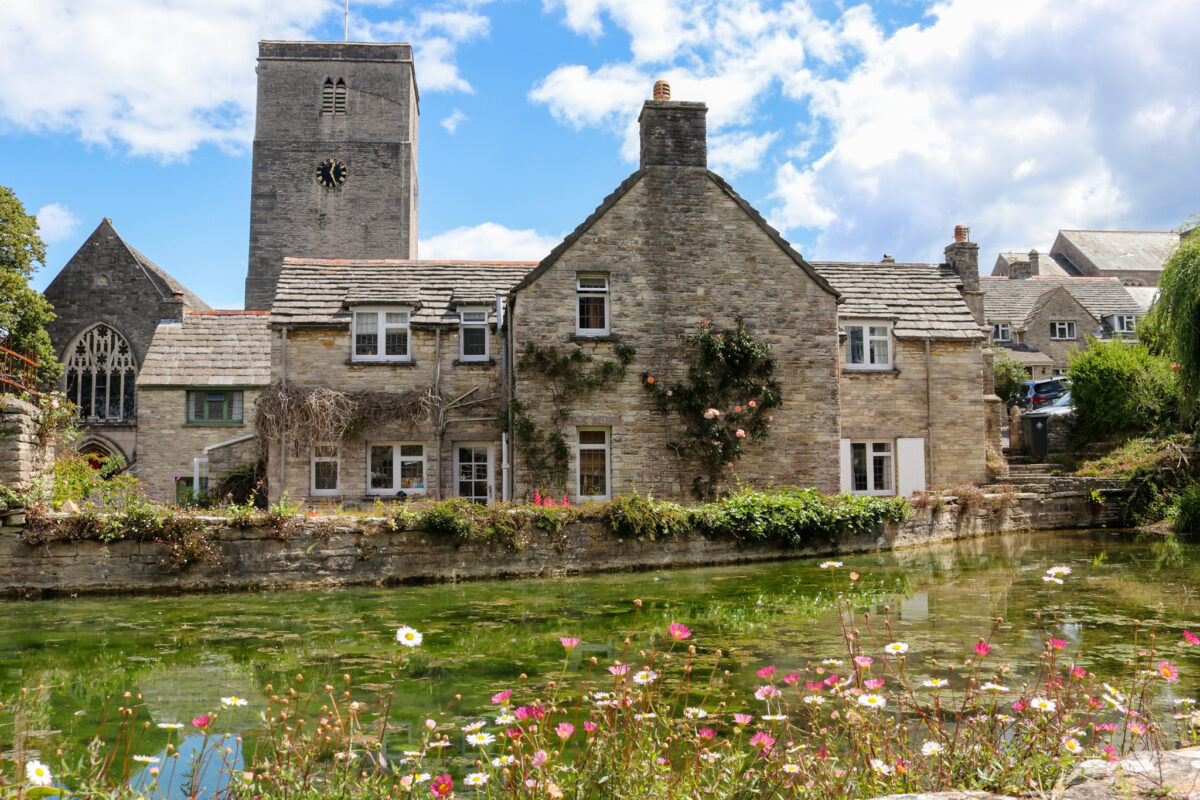
Exploring the backstreets of Swanage reveals a surprise at every turn, with many architectural and historical features to discover.
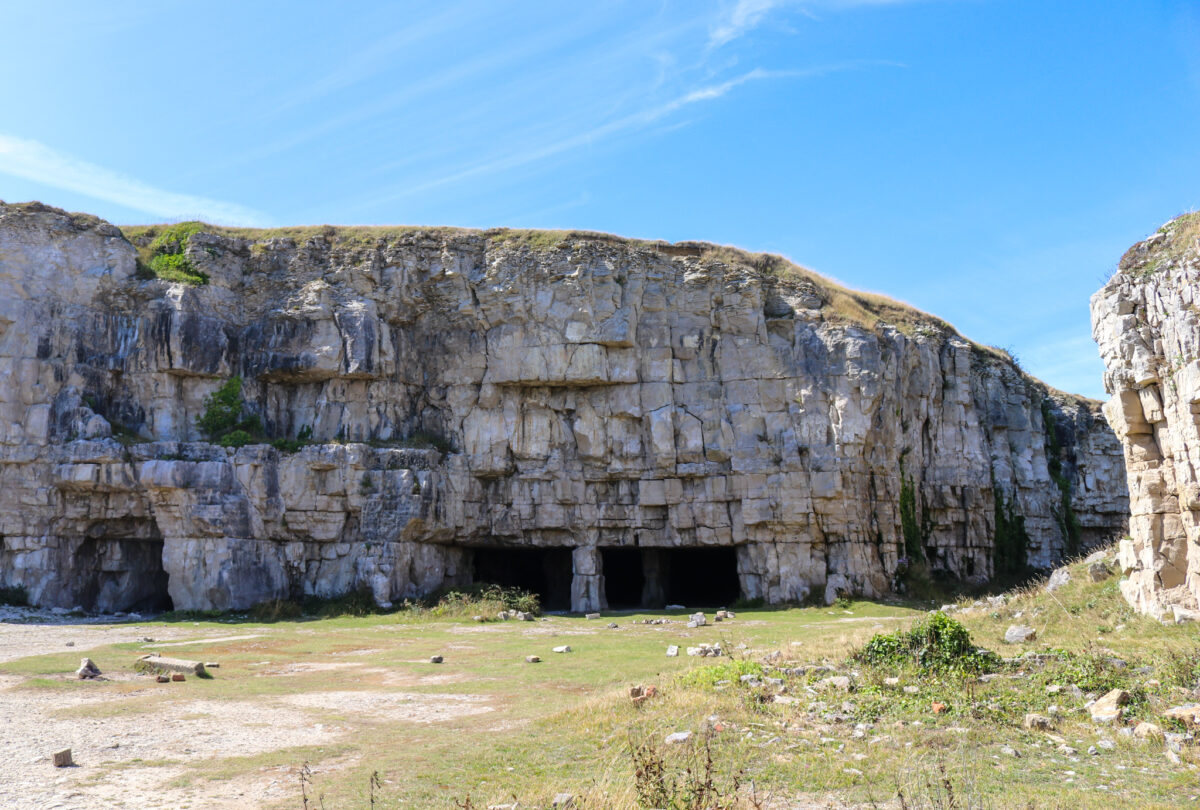
The area around the disused quarry at Winspit is a fantastic place to explore, with its craggy rocks and wide, expansive sea views.
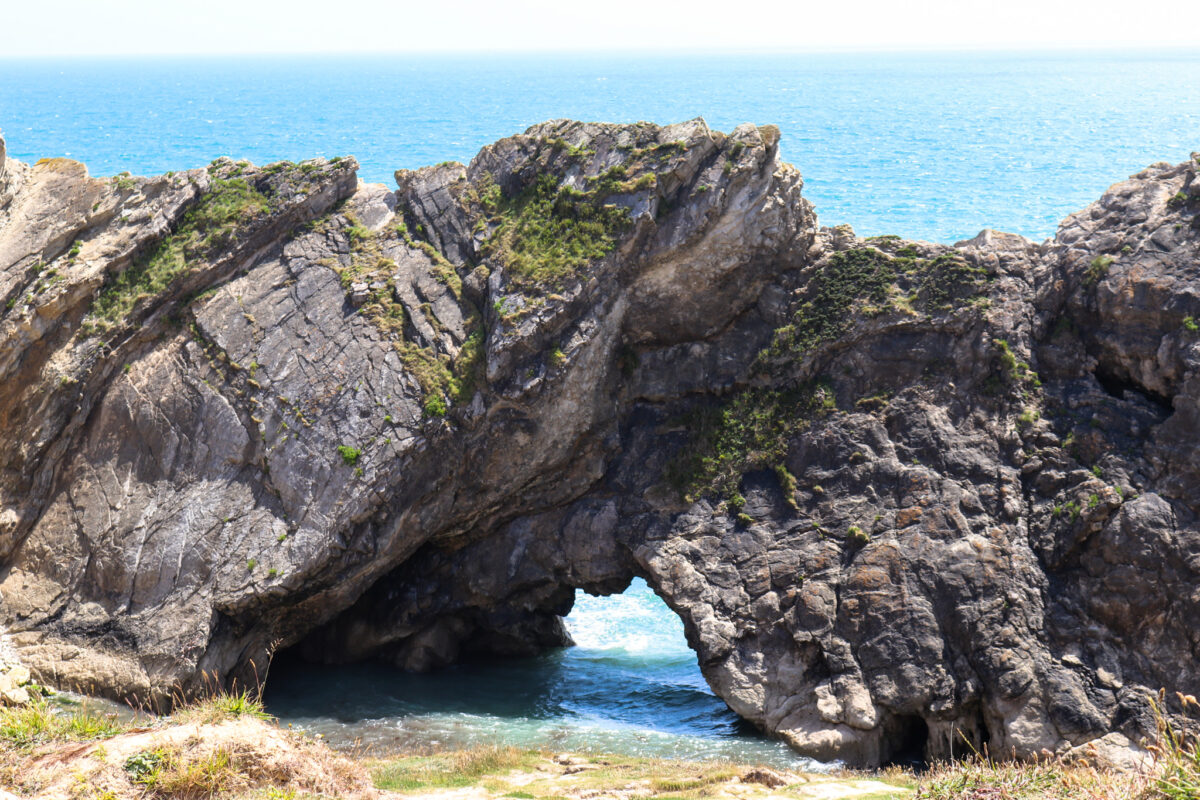
This intriguing landform and small cove can be easily missed on your trip to Lulworth Cove, but making your way up the short path to see Stair Hole is well worth it.
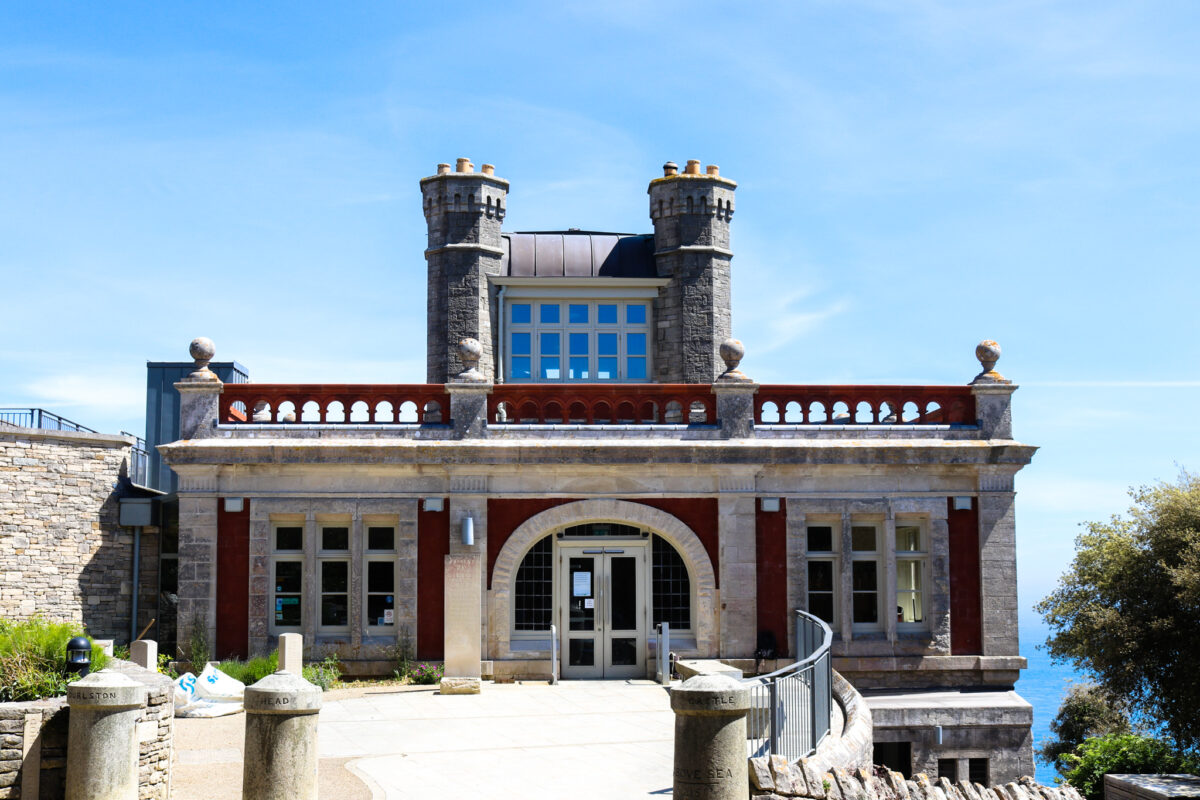
In the grounds of Durlston Country Park sits a beautiful, restored Victorian faux castle that stands looking out over the sea, set in acres of unique parkland.
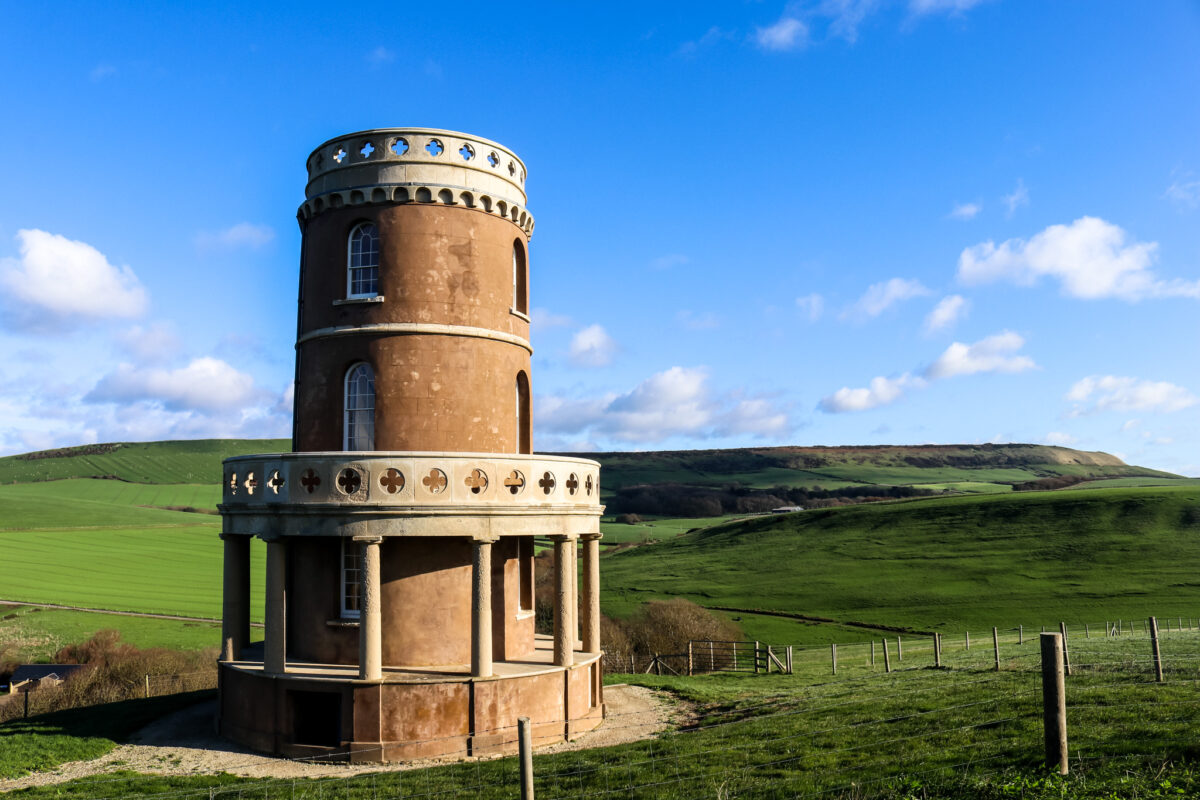
This circular, Grade II, Tuscan-style tower overlooking Kimmeridge Bay is one of the most dramatic locations to be found on the Jurassic Coast.
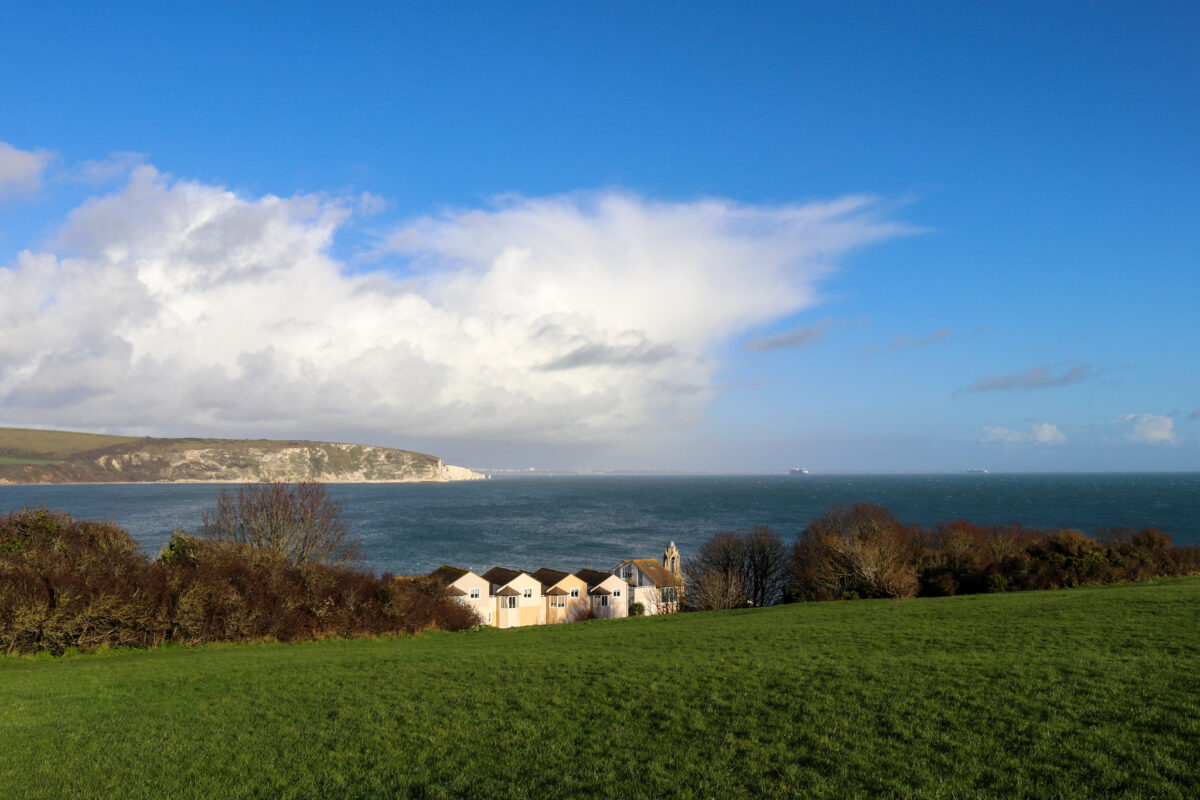
The open, clifftop grasslands of The Downs are just a stone’s throw from Swanage town and give some of the best views across Swanage Bay.
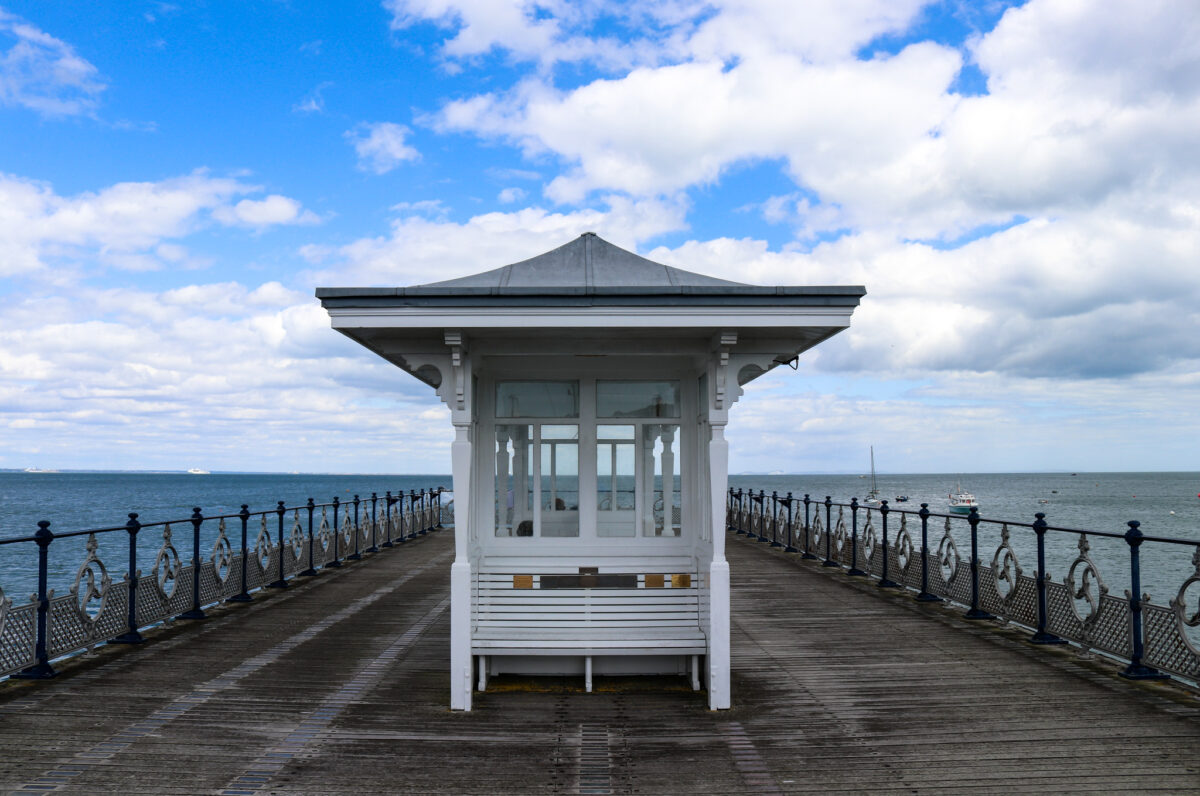
The fully-restored Grade II-listed Victorian pier in Swanage is a must-visit attraction for a sense of the town’s history, as well as giving you a unique perspective of Swanage Bay.
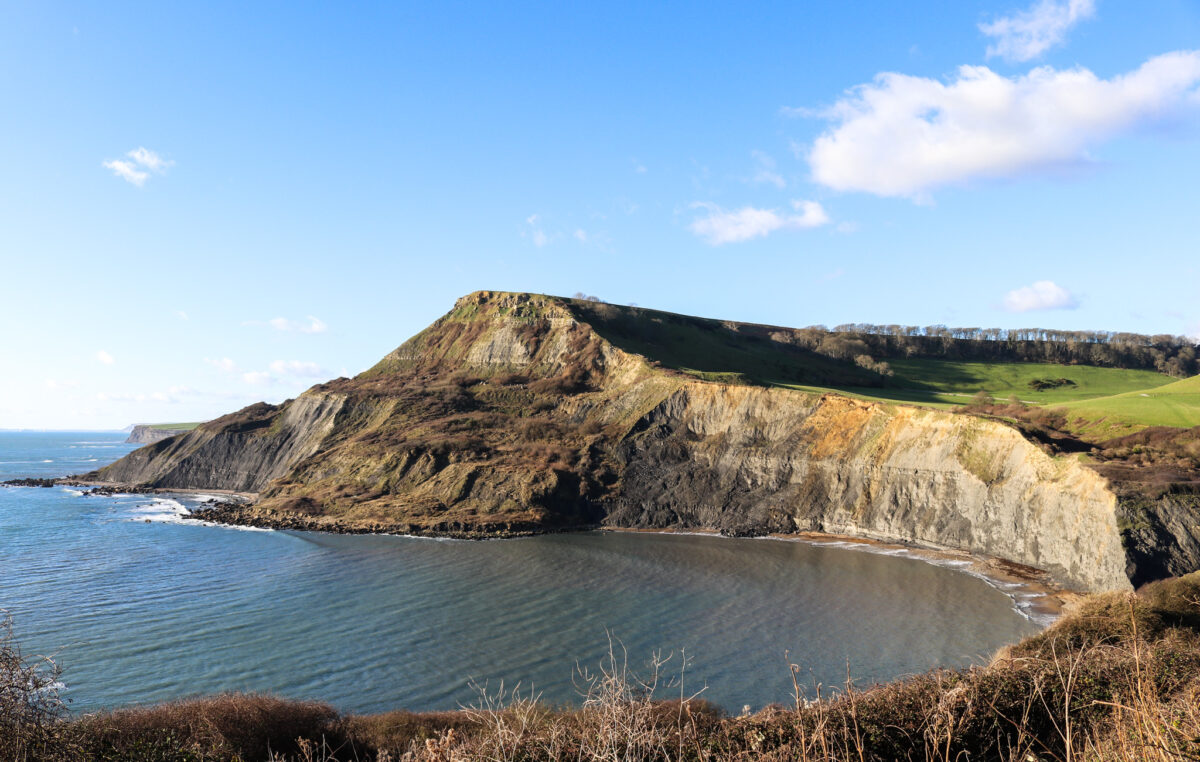
If your idea of a dream day at the beach involves a wild and secluded bay where you can wile away the hours watching the odd passing boat and reading a good book, Chapman’s Pool is hard to beat.
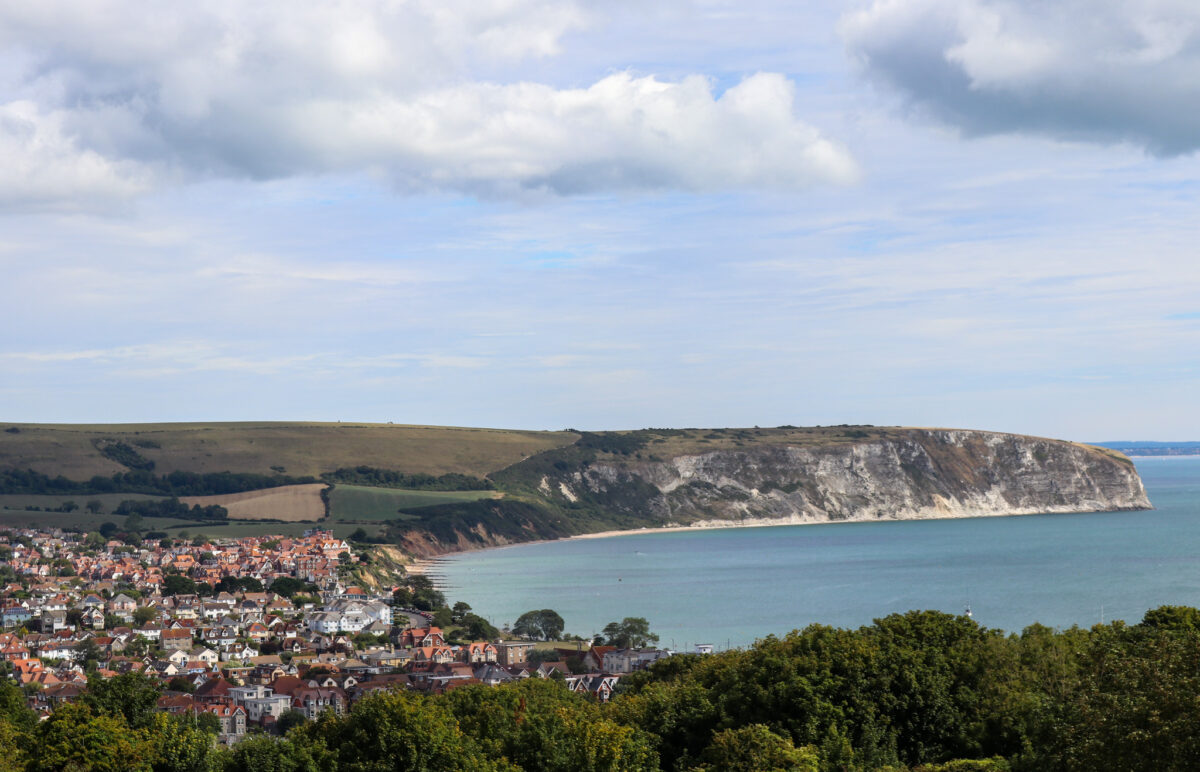
Swanage is probably most well-known for its superb, sweeping sandy bay, which has been drawing visitors for generations.
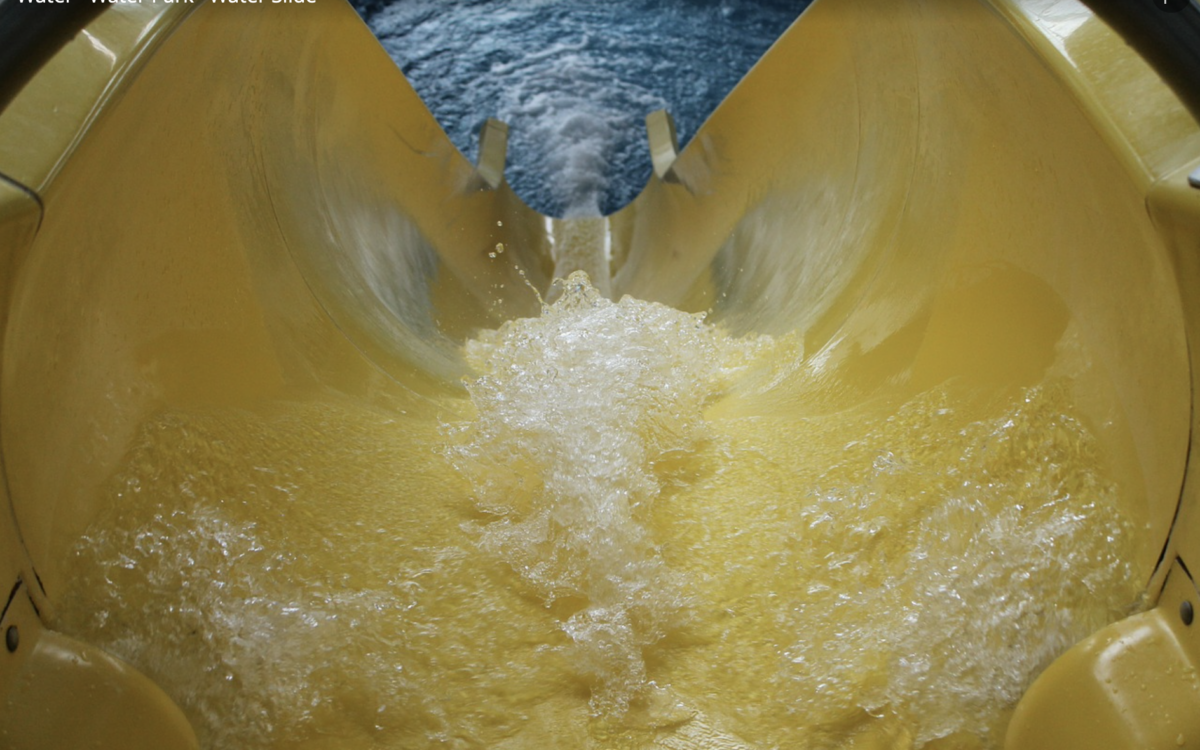
Splashdown in Poole’s Tower Park leisure complex is a short drive from Swanage and Purbeck for an alternative activity for a rainy day or some familiar family entertainment.
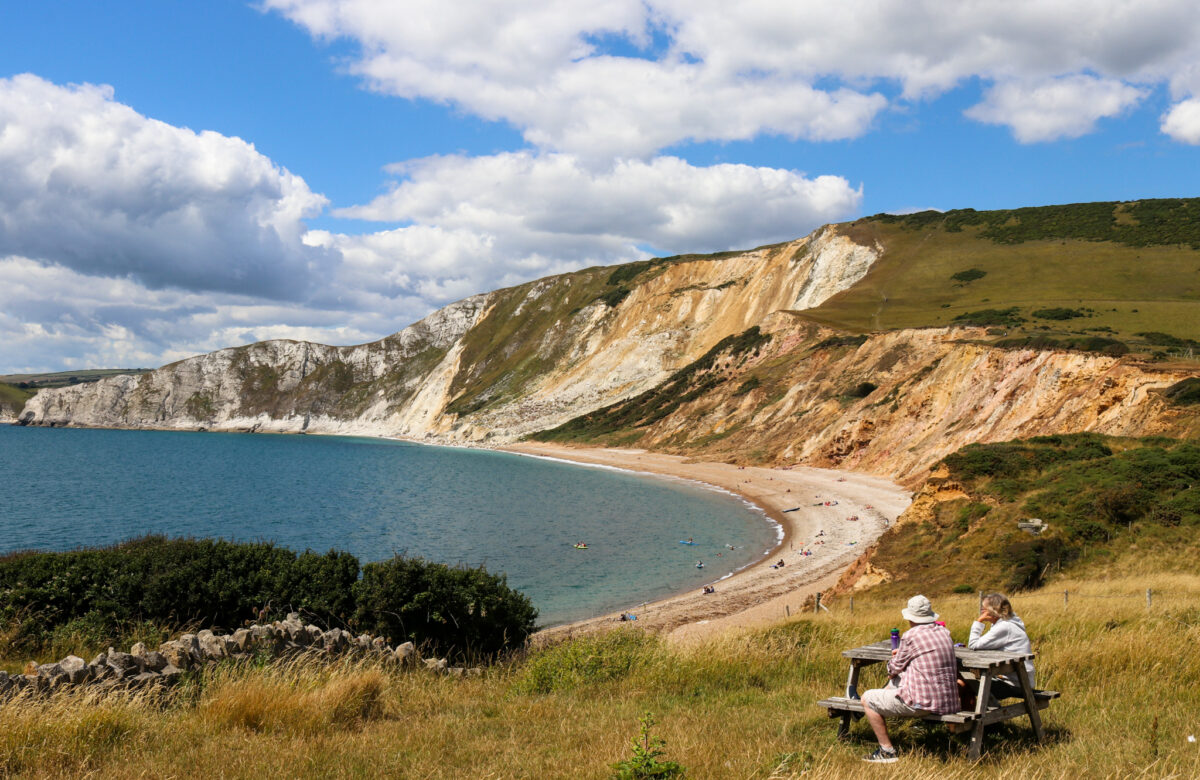
You might discover this expanse of shingle and sand beach by chance on a visit to the abandoned village of Tyneham.
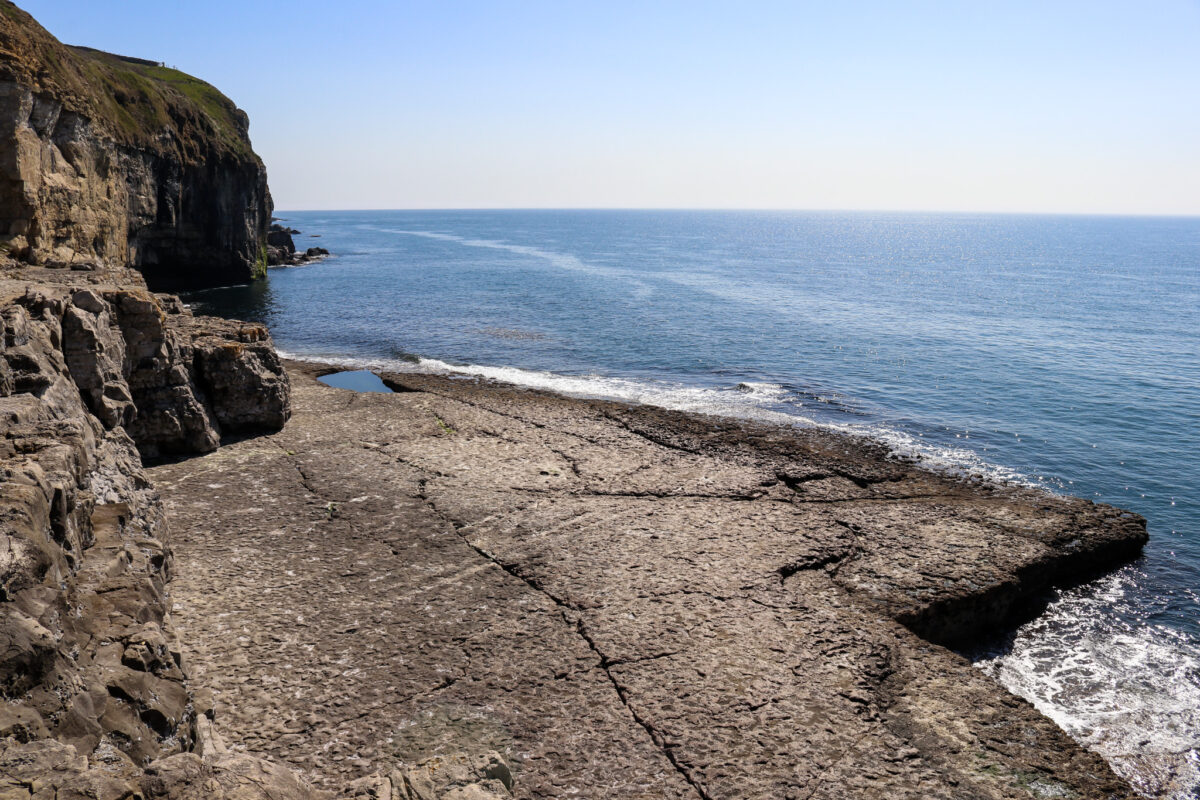
One of Purbeck’s most famous landmarks sits just under the cliffs near the villages of Langton Matravers and Worth Matravers.
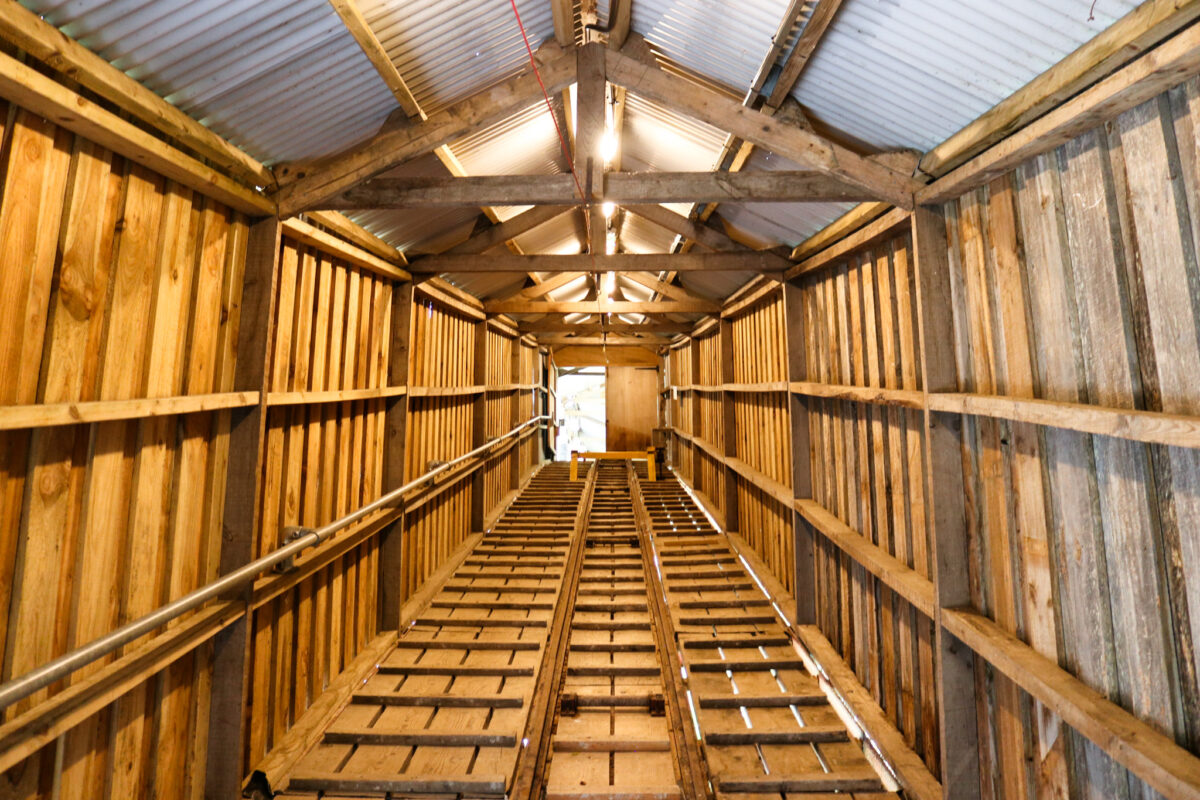
A hidden historical gem in the heart of Purbeck, this is a truly local museum. Telling the story of the area’s ball clay industry, it’s a fascinating way to tunnel into the Isle of Purbeck’s past and learn how industrious clay miners were here, right back to the 17th Century.
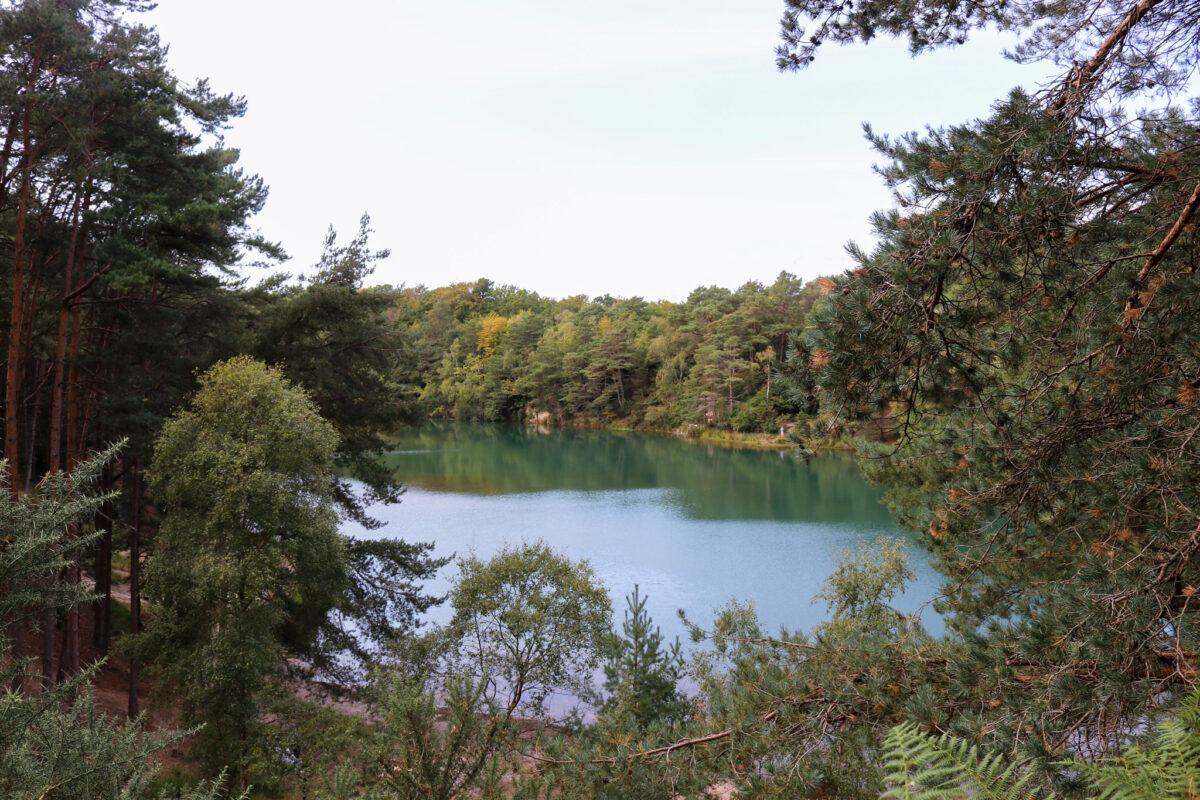
Set in 25 acres of woodland between Wareham and Corfe Castle, the Blue Pool derives its name from the striking turquoise colour the water this disused clay pit can appear.
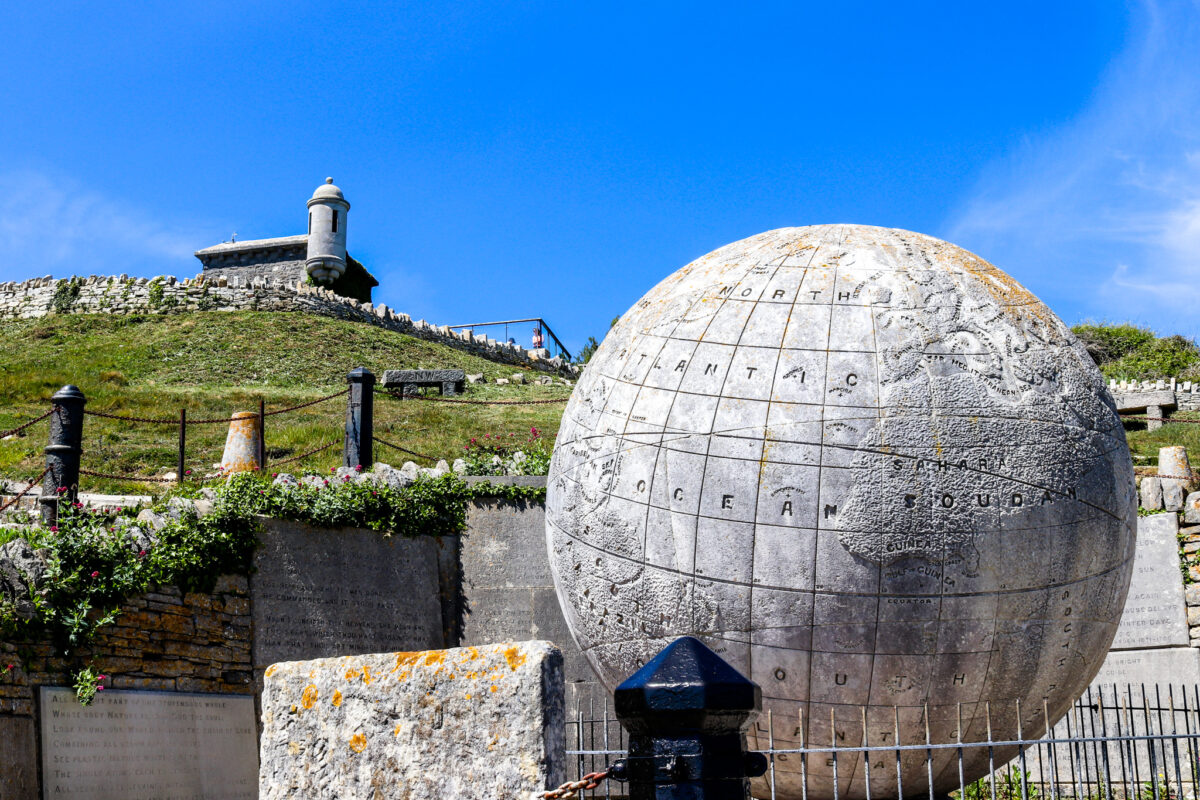
Meander through hay meadows, explore quiet woodland trails and be wowed by stunning sea views at Durlston – just a stone’s throw from Swanage town.
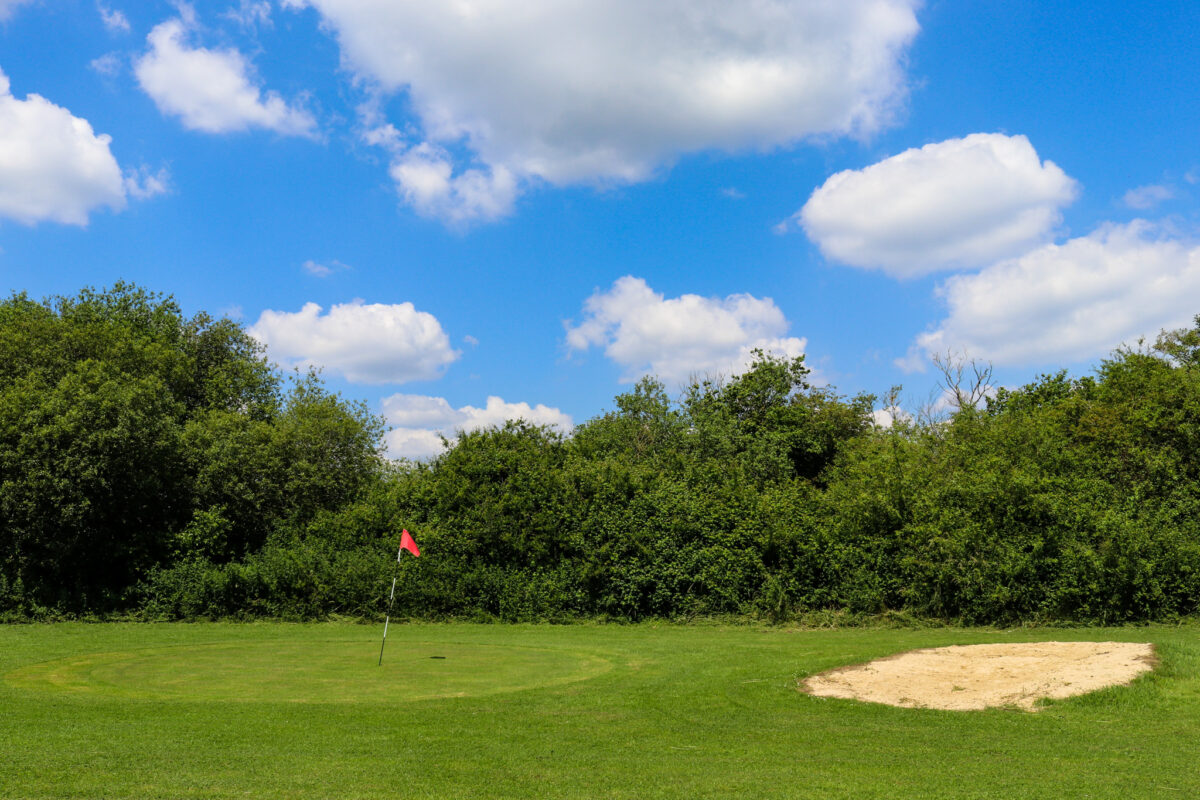
Challenge your friends and family to a round of pitch and putt at Swanage Golf Games.
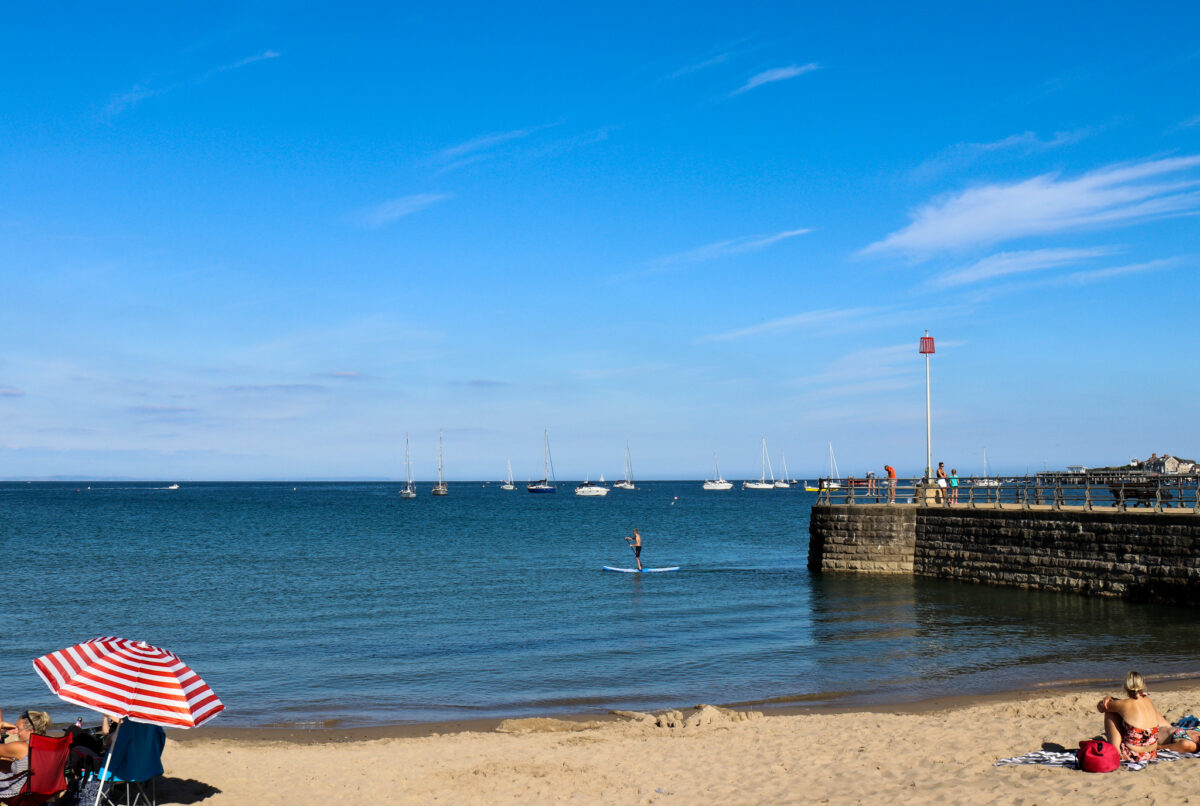
The jewel in Swanage’s crown is its beautiful beach that sweeps around the curve of its sheltered bay.
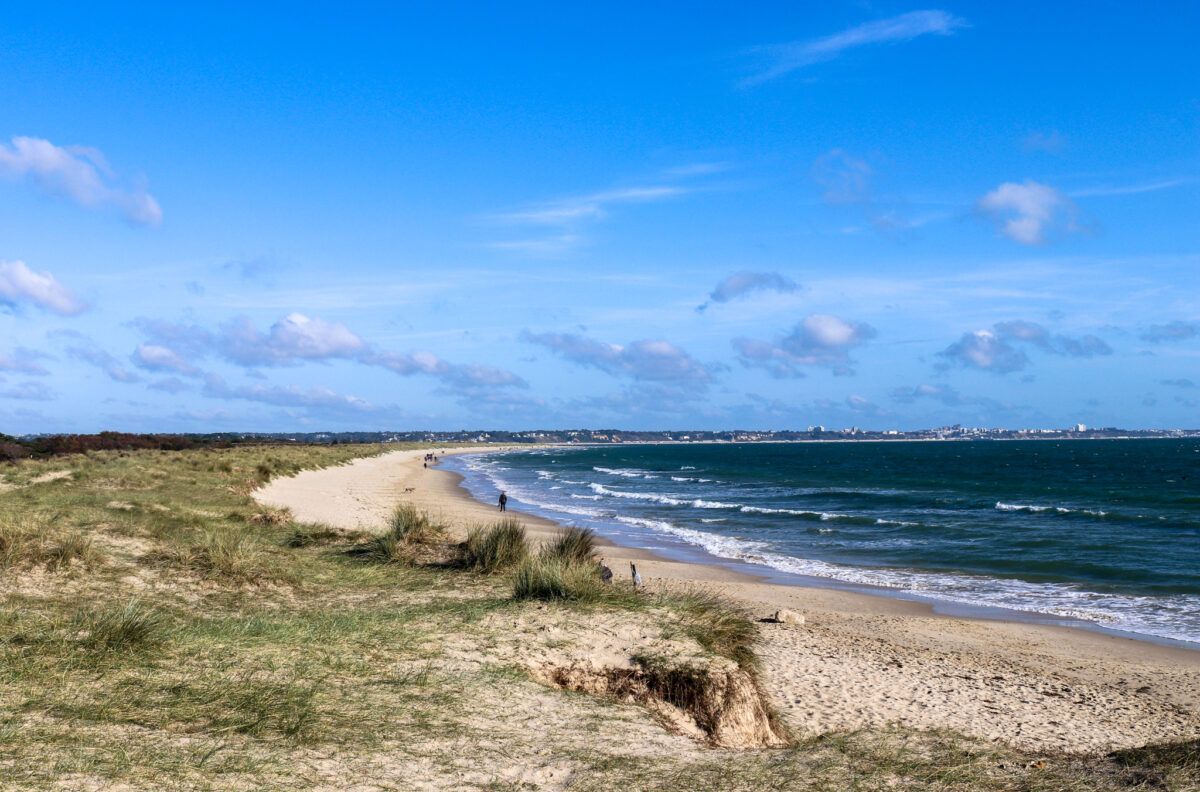
Comprised of four miles of sandy beaches and with acres of heathland and sand dunes to explore, Studland Bay and Nature Reserve has something for everyone.
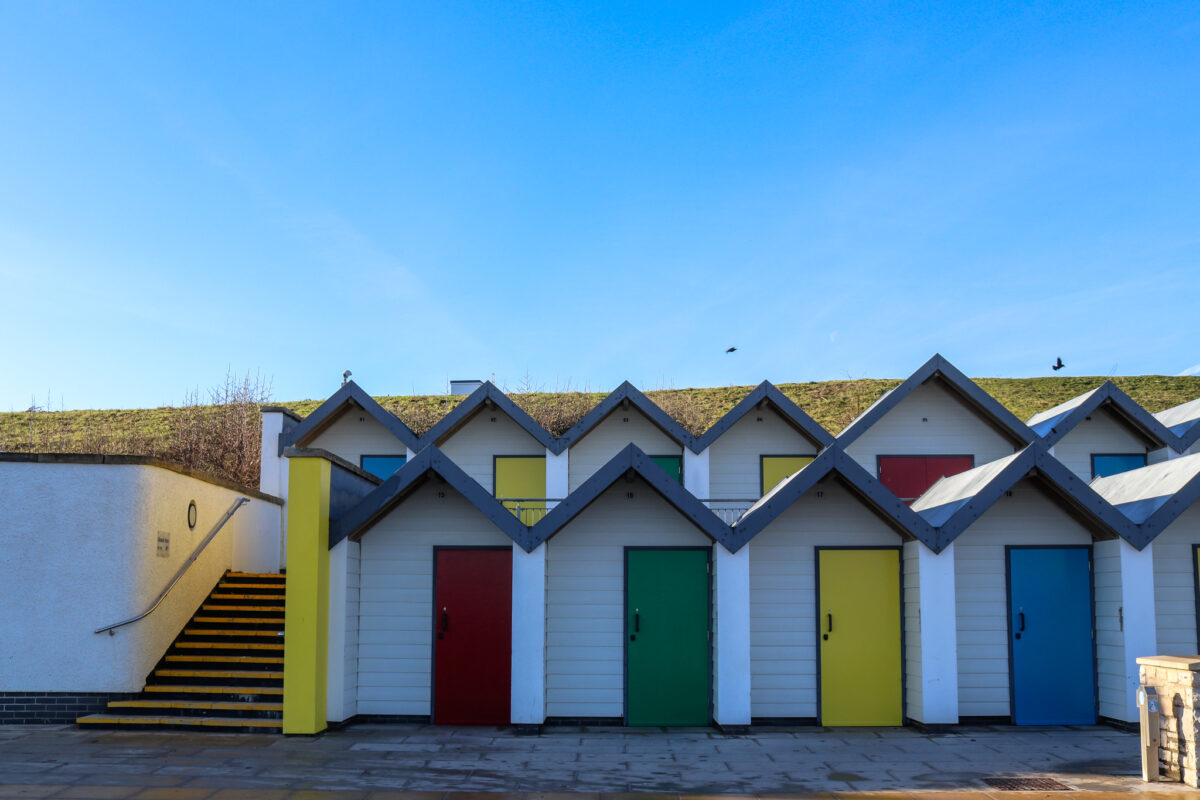
Handy for storing all your seaside essentials and giving you that extra bit of privacy, beach huts in Swanage are available to hire all year round for daily, weekly and seasonal hire periods.
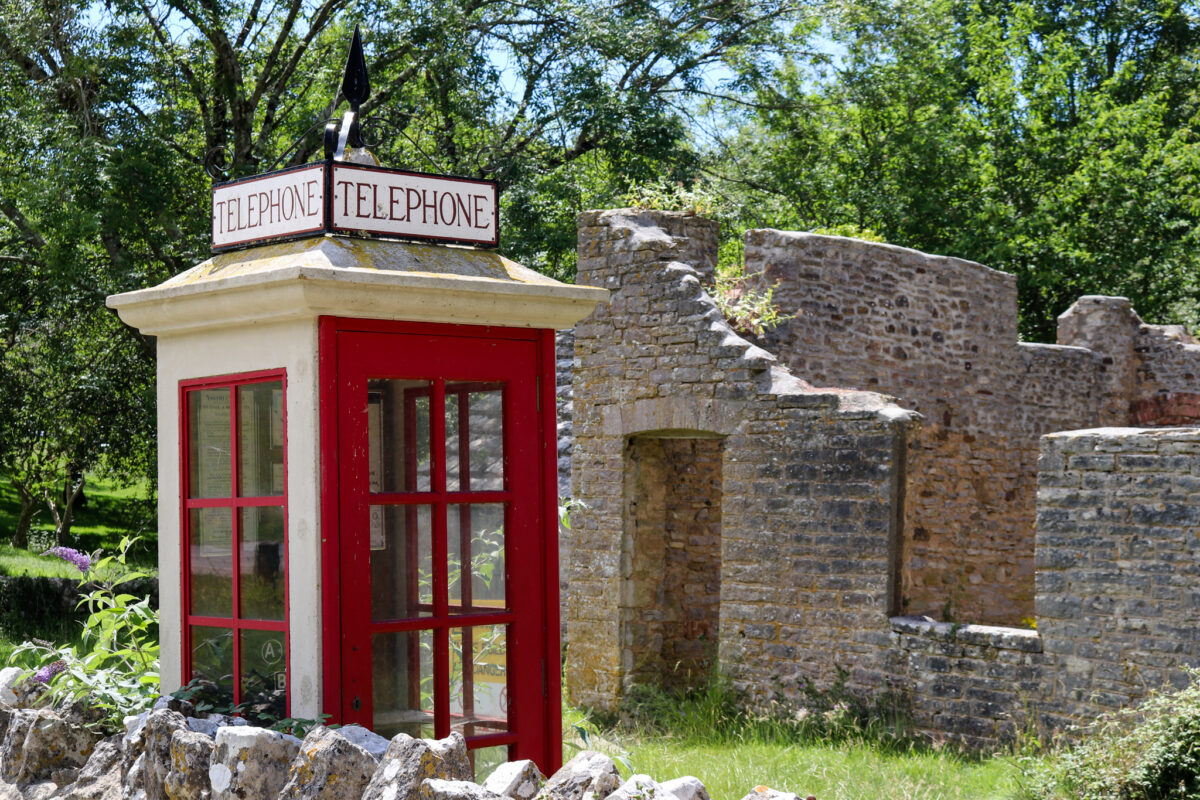
The poignant story behind the ‘ghost village’ of Tyneham, abandoned during World War II, will stay with you long after you have walked around its crumbling homes and forgotten farmland.
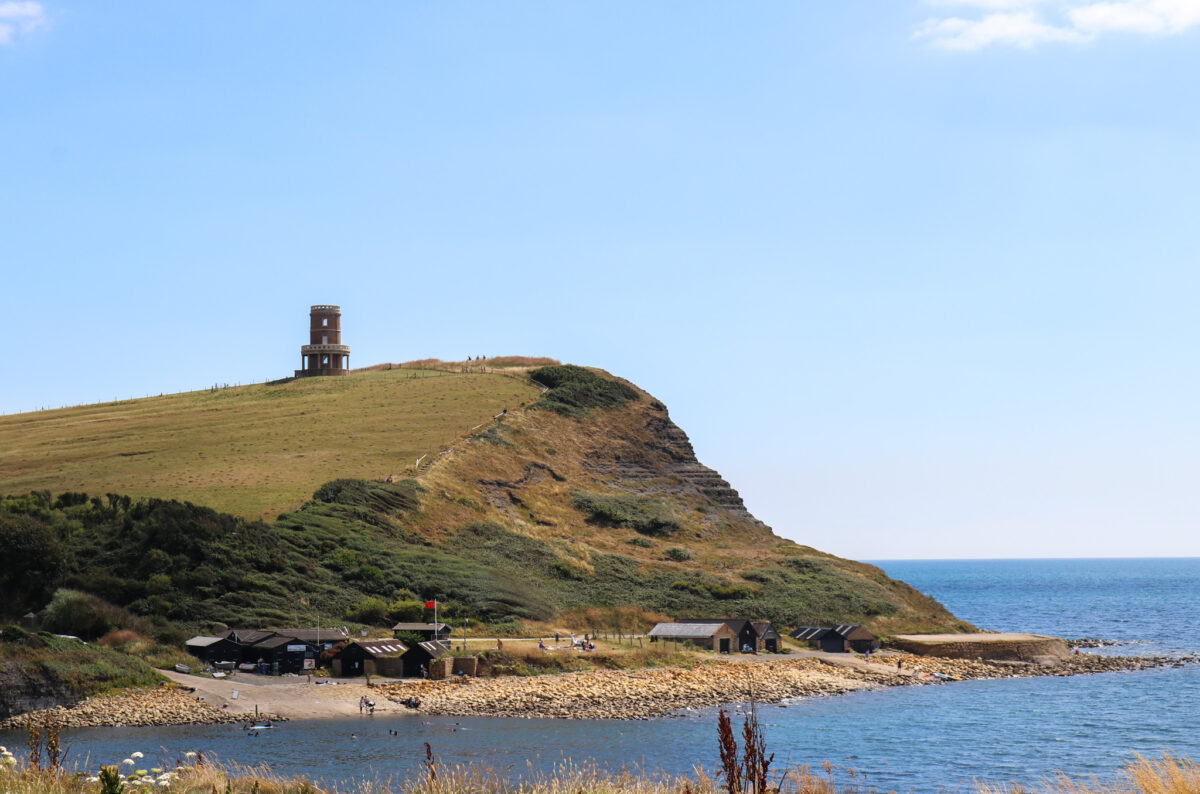
If the Jurassic Coast’s globally-significant geology is what drew you to Dorset, Kimmeridge Bay is the place to visit.
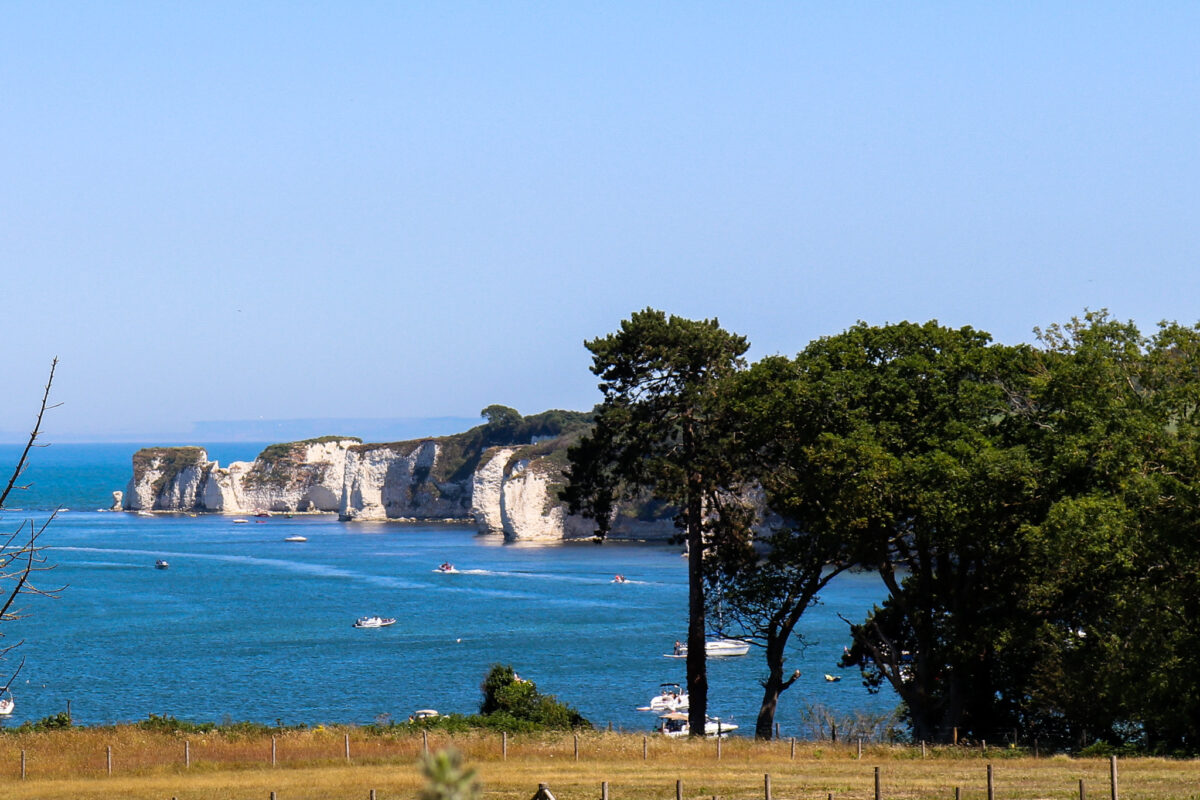
One of the most iconic landforms on the South Coast – Old Harry Rocks – is just a stone’s throw from Swanage and an important feature of Dorset’s Jurassic Coast history.
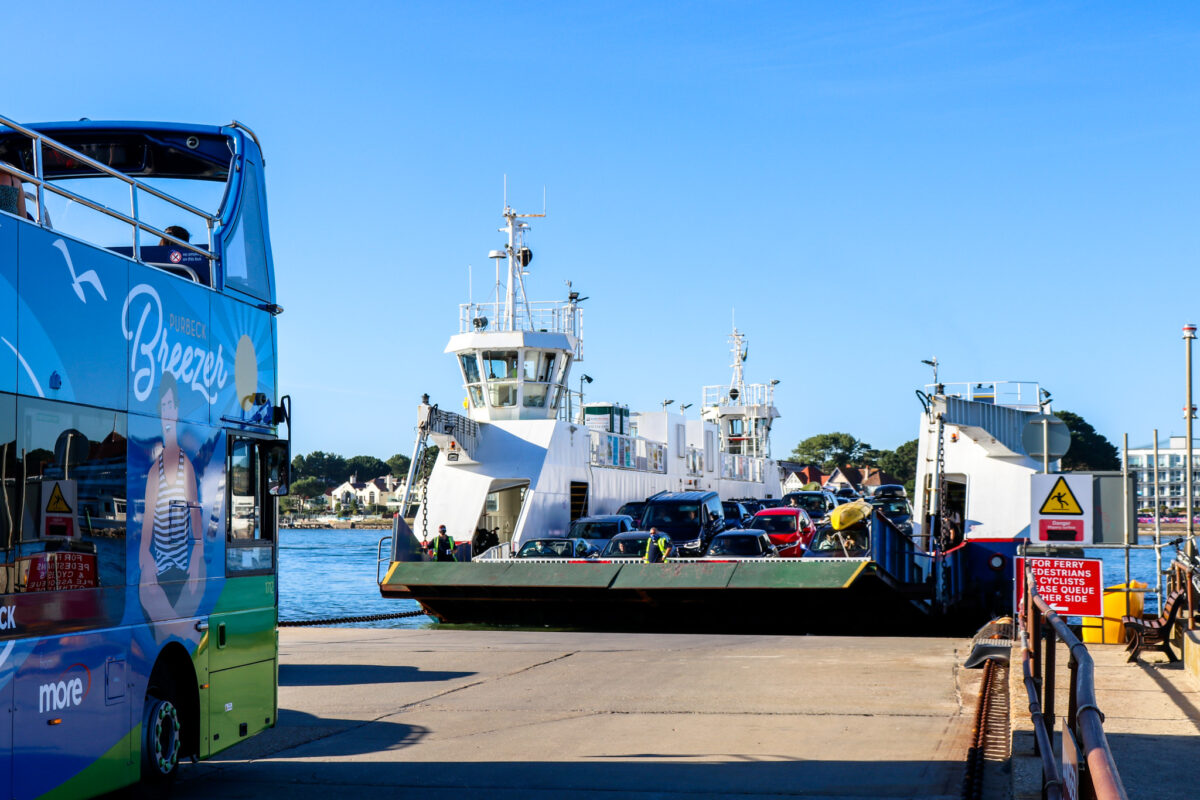
Your holiday starts here if you arrive via the Sandbanks Ferry, with that holiday feeling kicking in once your car rolls onto the chain ferry and you step out to admire the stunning views as you cross Poole Harbour.
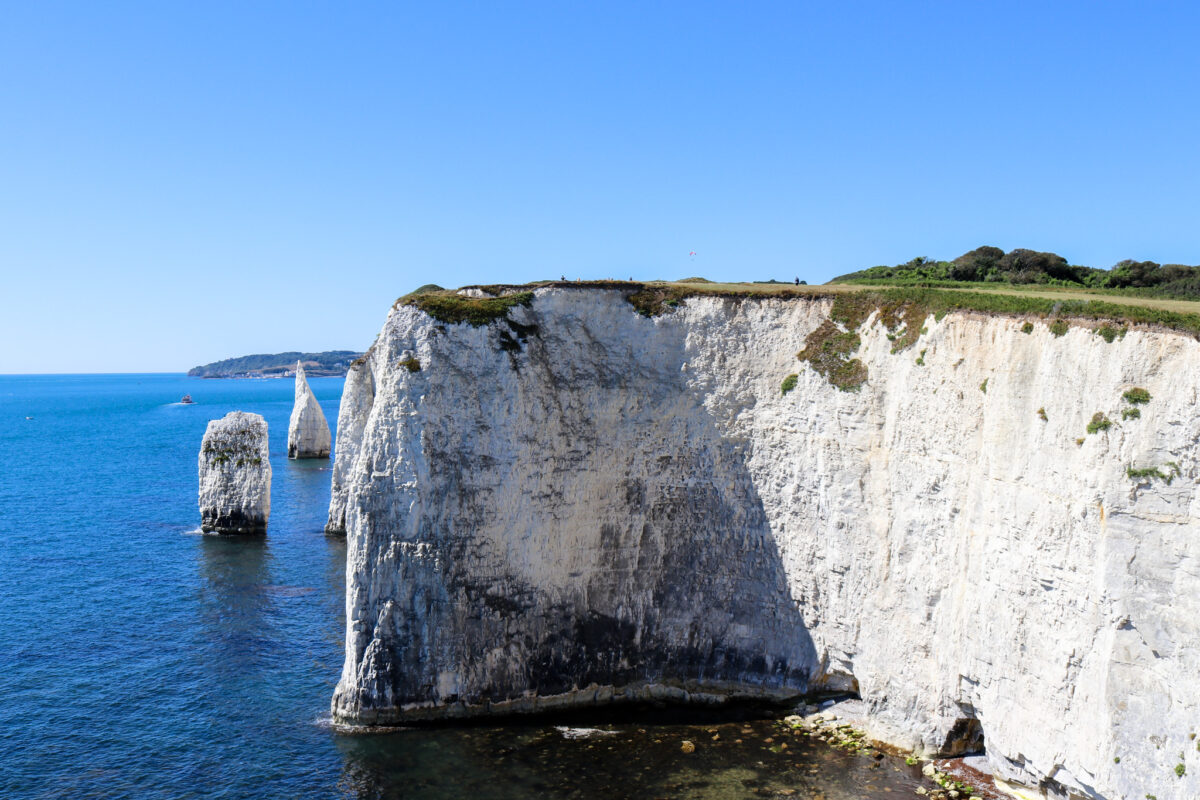
The Jurassic Coast needs no introduction: renowned worldwide for its breathtaking scenery and geological importance, this 95-mile stretch of coastline dominates Dorset’s landscape, history and character.