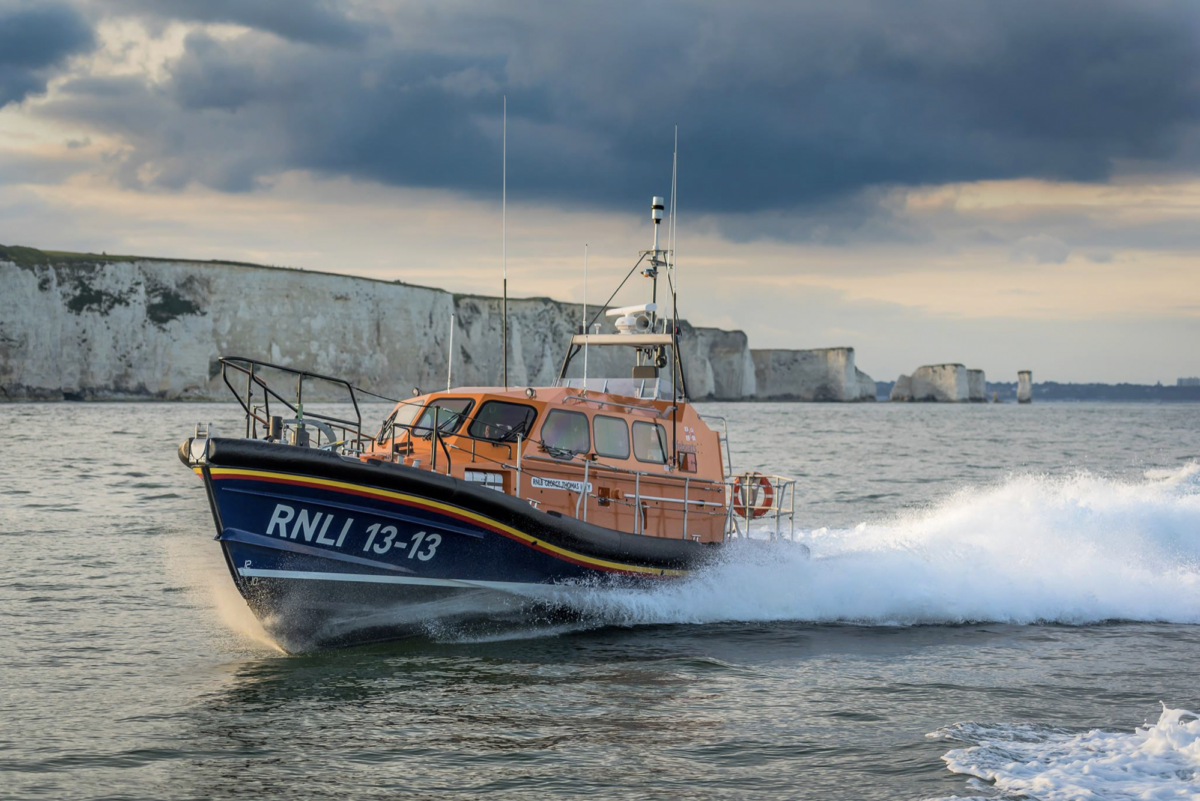
Swanage Lifeboat Station has been a central part of the seaside town and community of Swanage since its inception in 1875.
Swanage Lifeboat Station
Swanage Lifeboat Station has been a central part of the seaside town and community of Swanage since its inception in 1875.
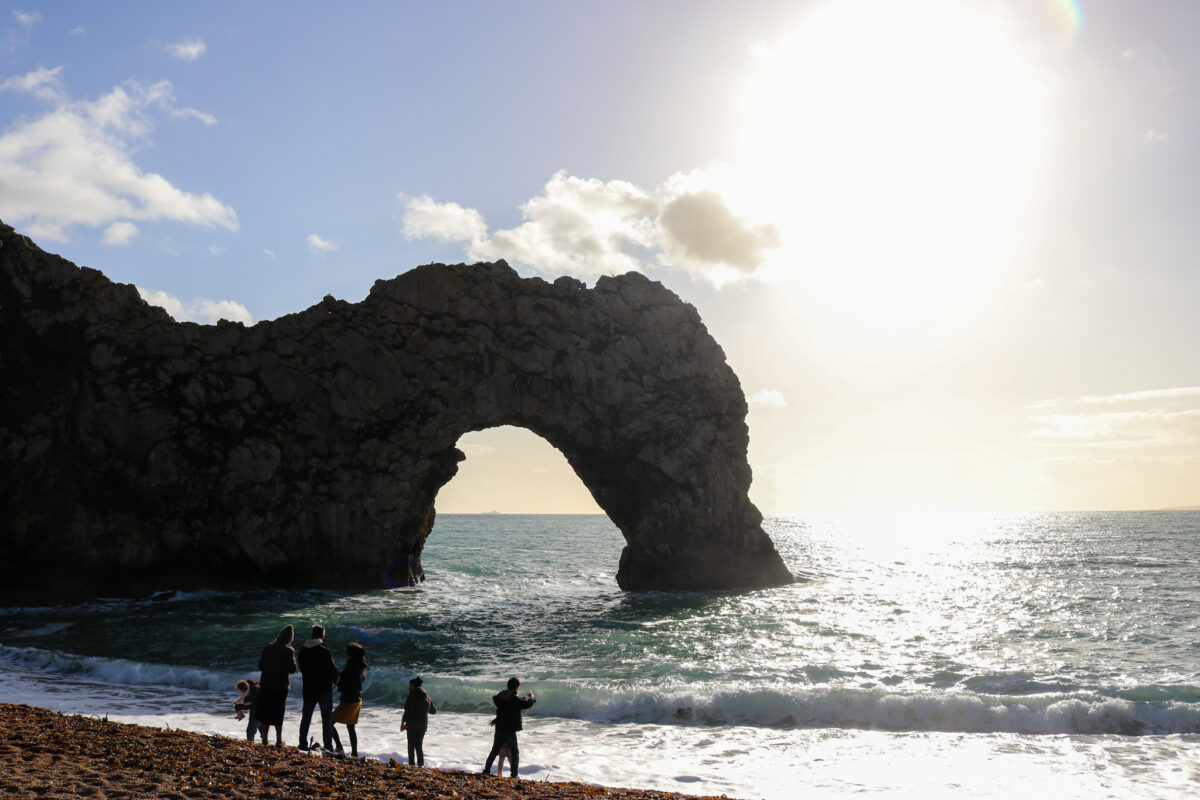
One of the most-loved natural landmarks of Dorset and a highlight of the Jurassic Coast World Heritage Site, Durdle Door attracts thousands of visitors every year.
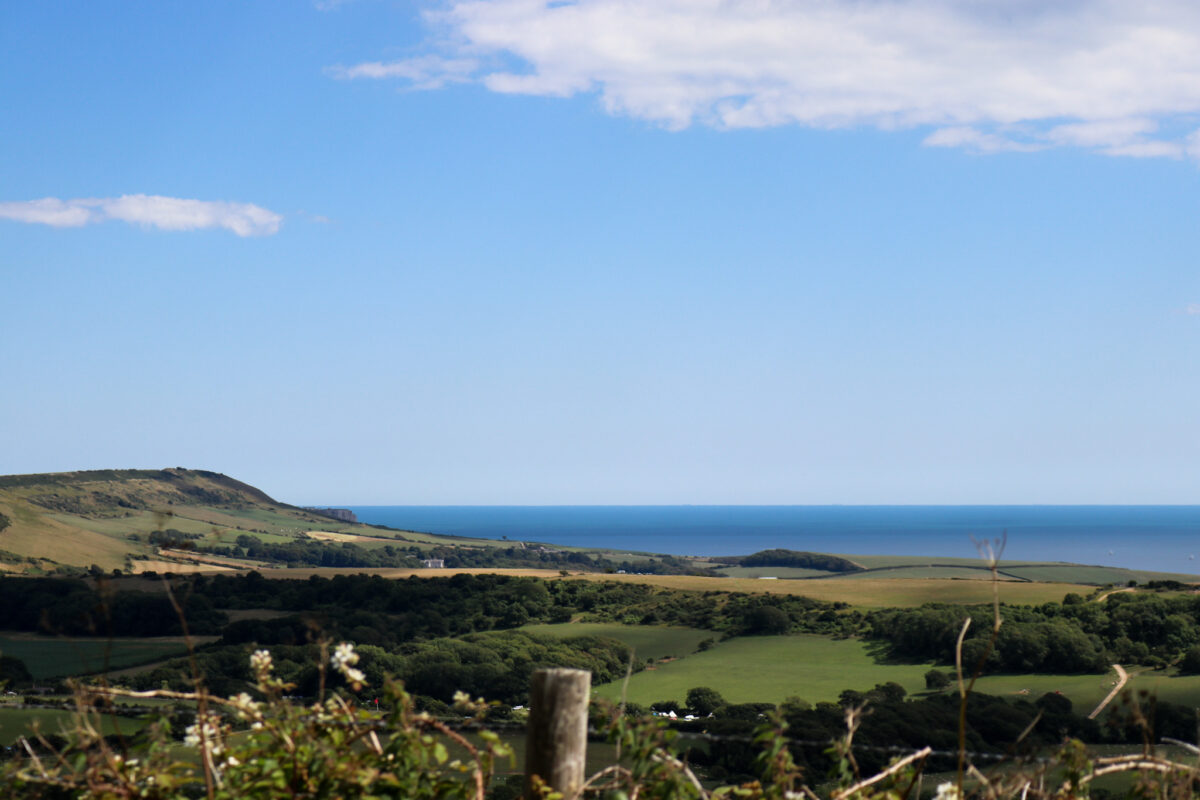
An intriguing way to explore the Purbeck countryside and Jurassic coastline is via the Lulworth Range walks.
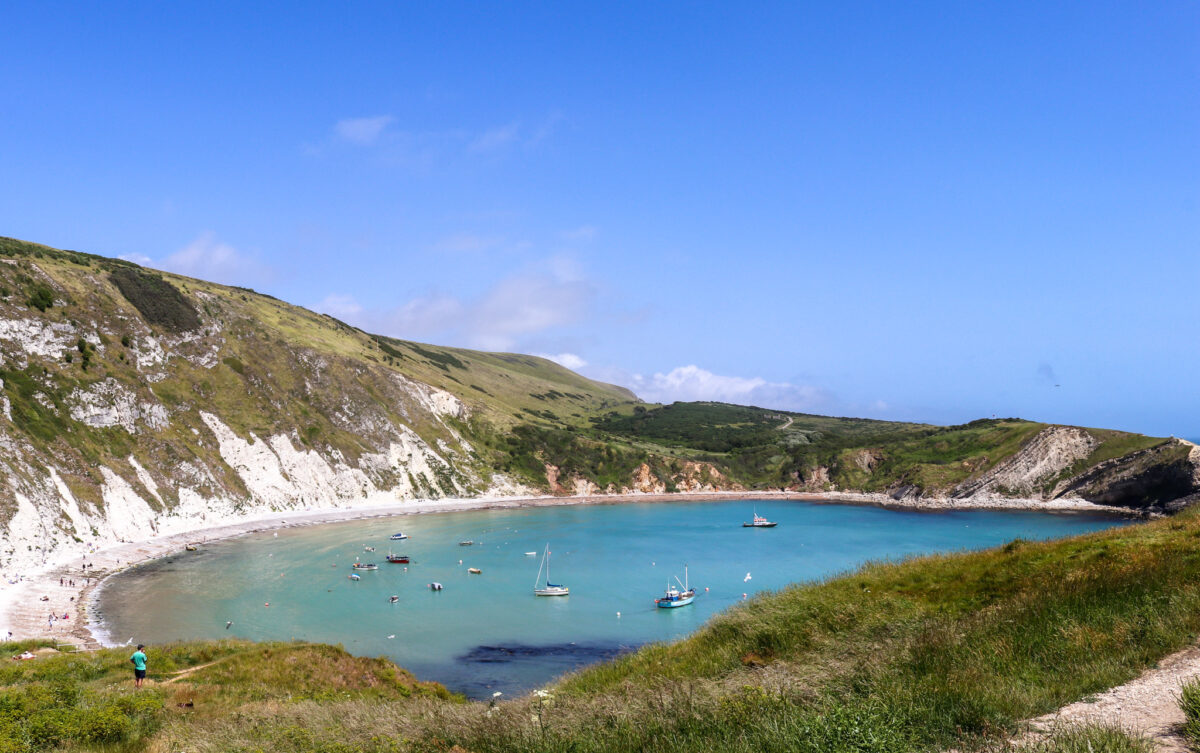
Nestled at the foot of the picturesque village of West Lulworth, Lulworth Cove is one of the most photographed beauty spots in Britain and an important geological area of the Jurassic Coast World Heritage Site.
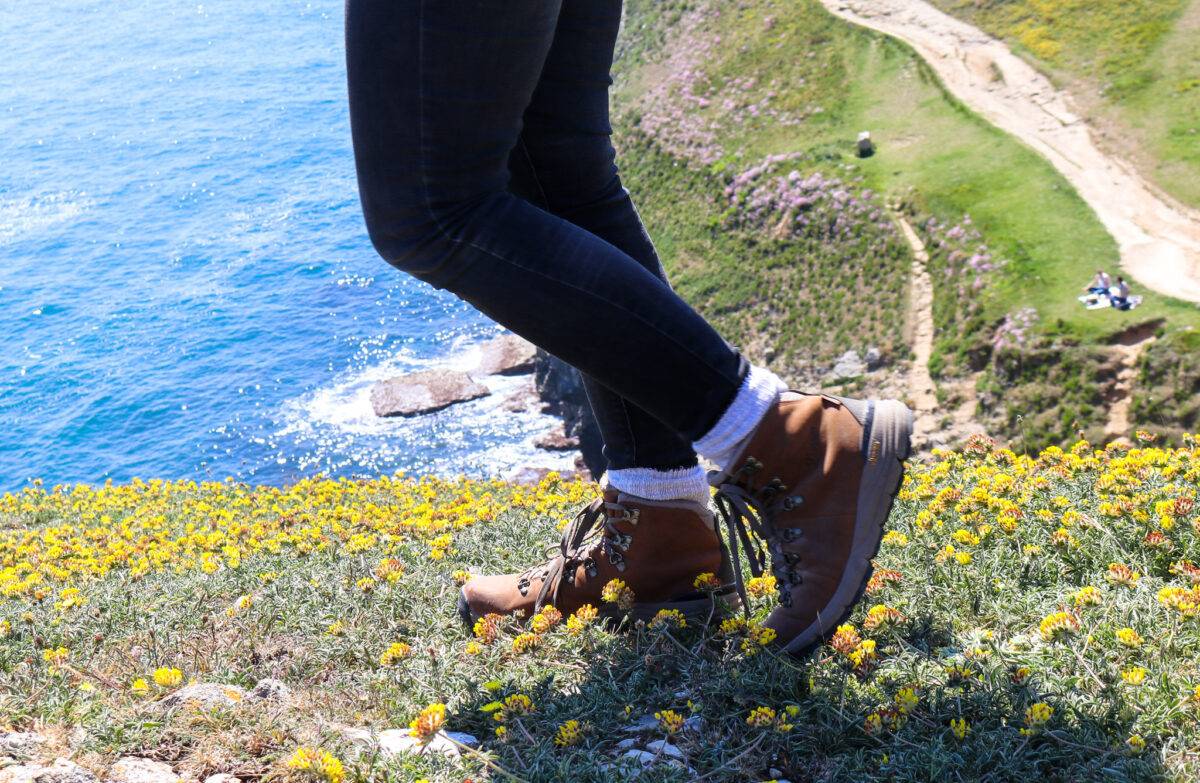
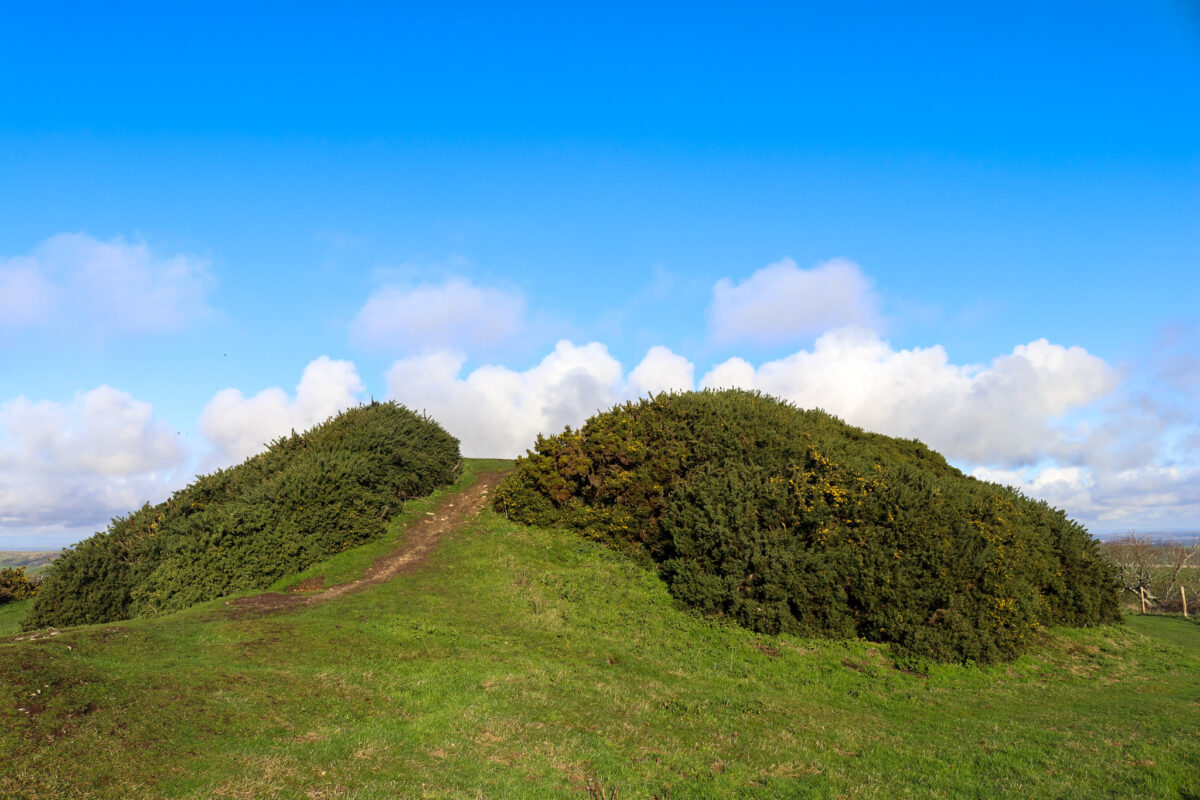
Standing proudly as the highest point of Purbeck, you can walk to Swyre Head from various locations.
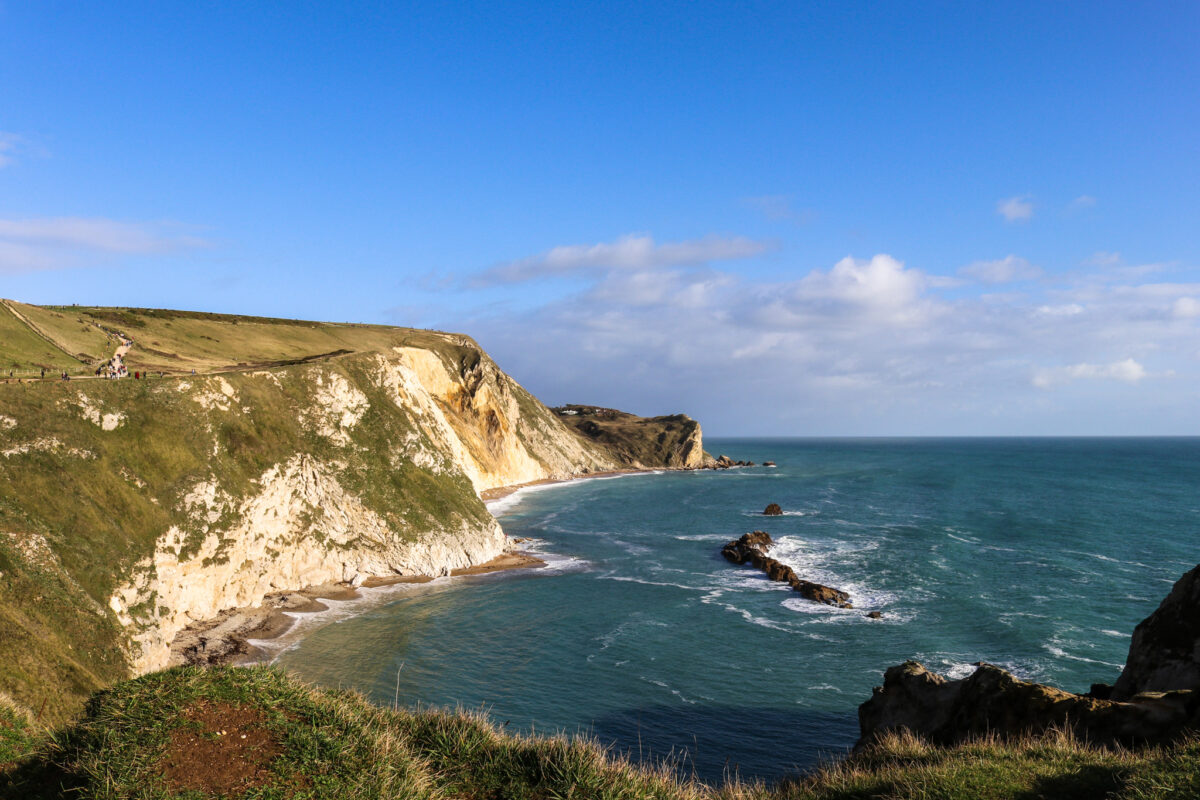
The smaller of Durdle Door’s two beaches, Man O’ War Bay, is an enclosed cove, perfect for picnicking and wiling away the hours in a stunning setting.
Durlston Castle and Country Park sit on the promontory of land that is Durlston Head.
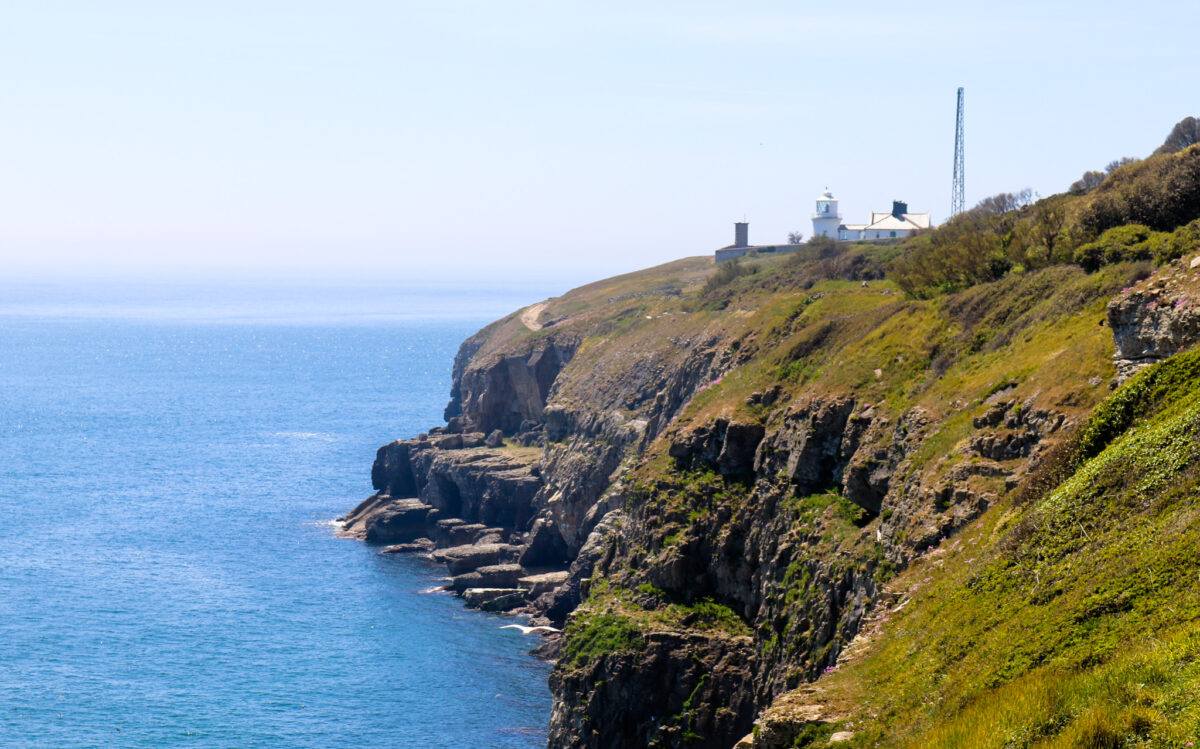
Home to the Anvil Point Lighthouse, built in the 1800s, the headland of Anvil Point is just one location for stunning seascapes and excellent walking within Durlston Country Park.
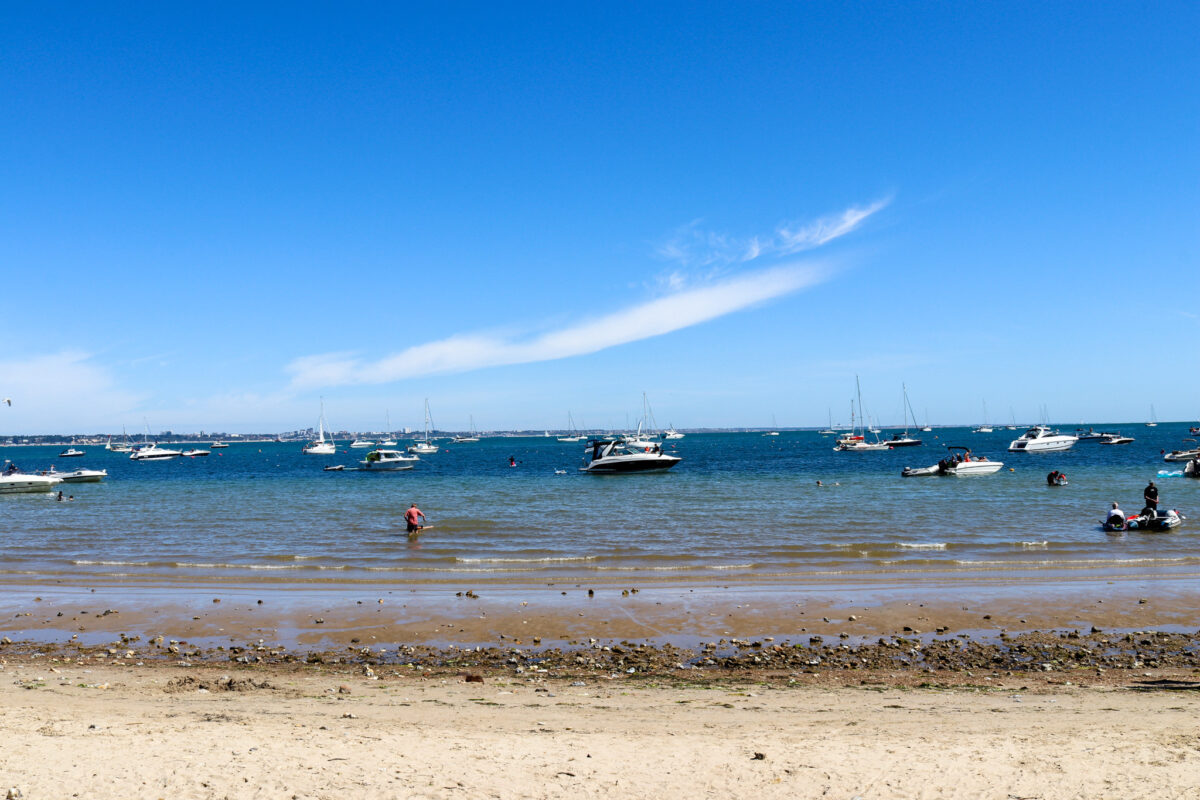
If you love Studland’s beaches but would prefer a more local vibe head to South Beach.
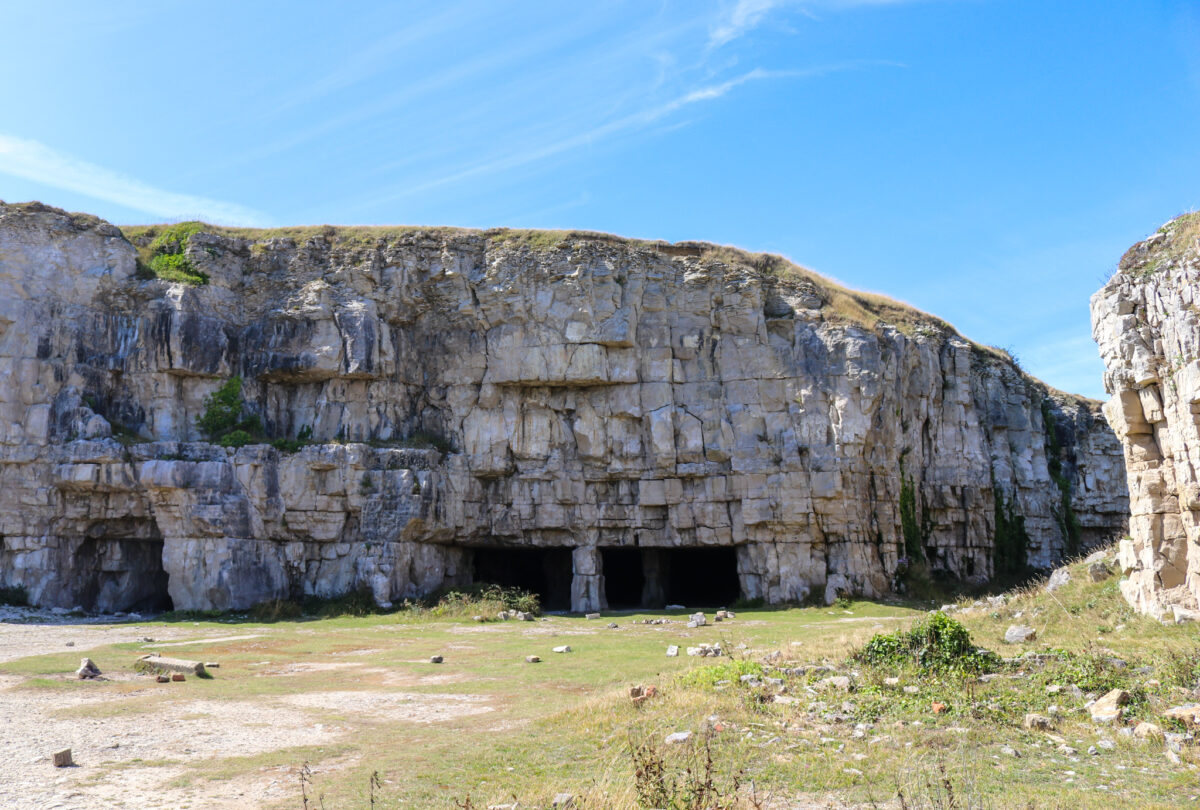
The area around the disused quarry at Winspit is a fantastic place to explore, with its craggy rocks and wide, expansive sea views.
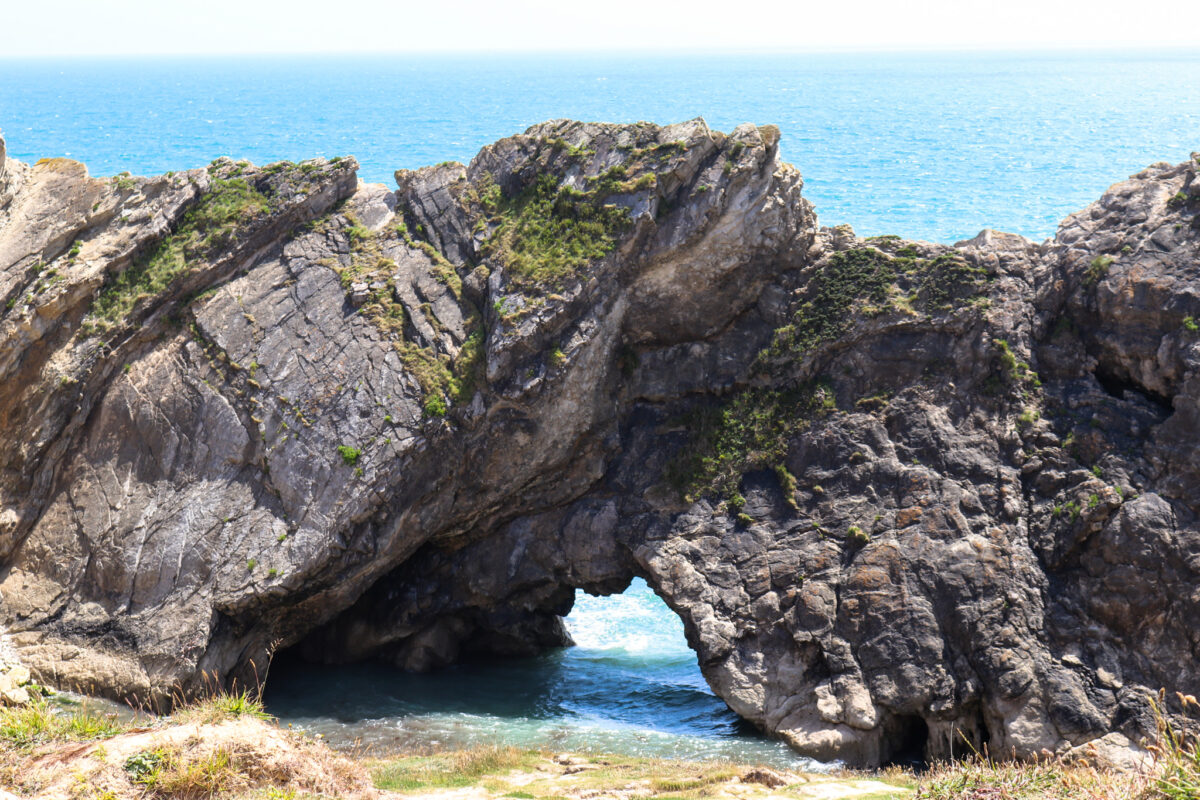
This intriguing landform and small cove can be easily missed on your trip to Lulworth Cove, but making your way up the short path to see Stair Hole is well worth it.
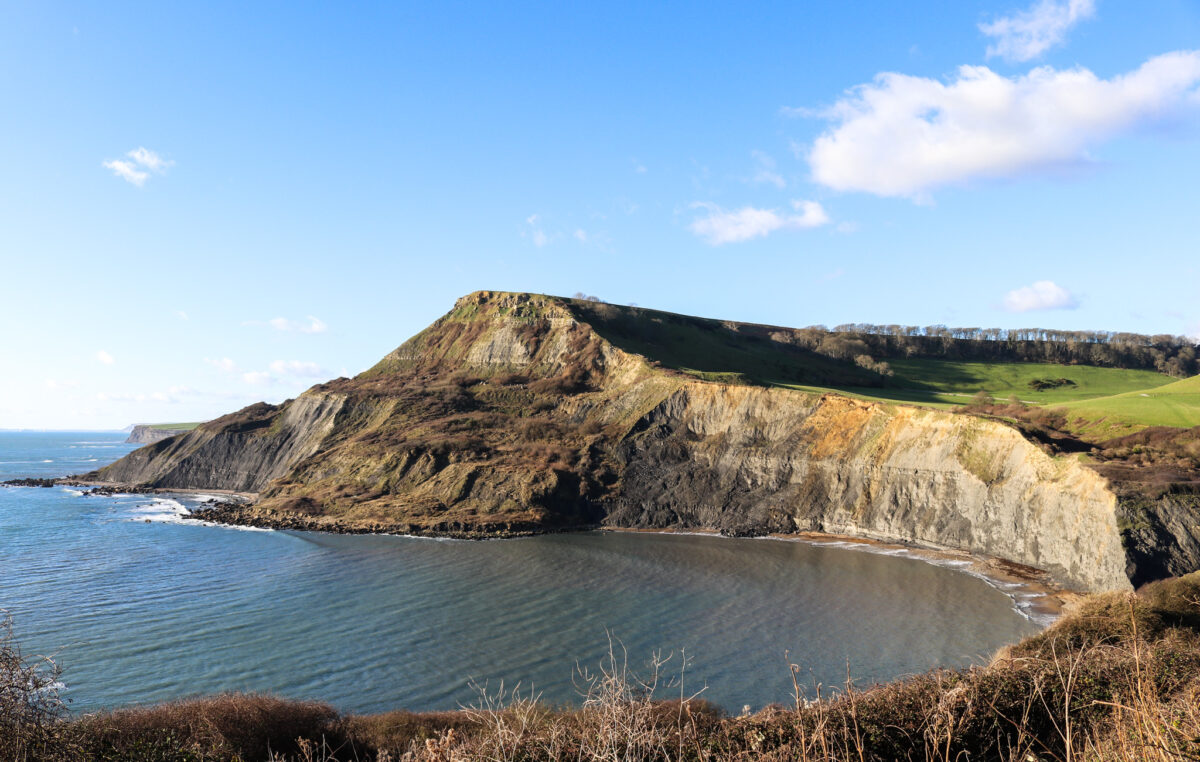
If your idea of a dream day at the beach involves a wild and secluded bay where you can wile away the hours watching the odd passing boat and reading a good book, Chapman’s Pool is hard to beat.
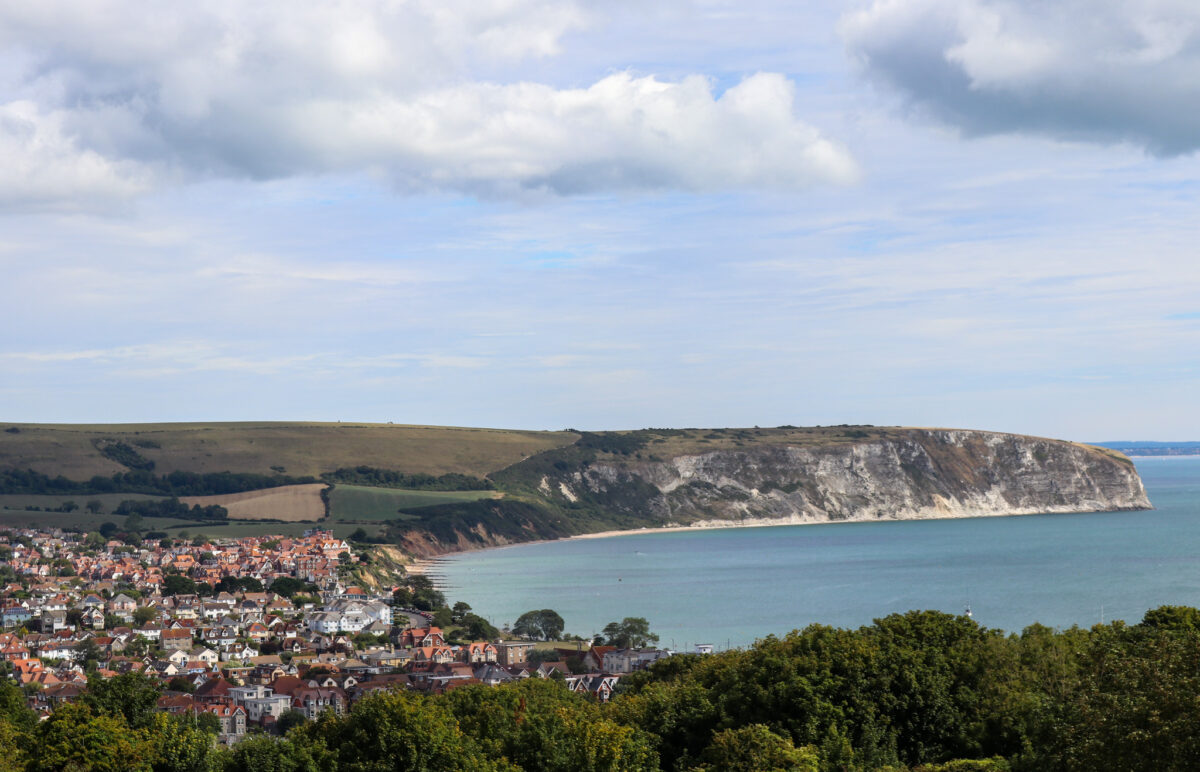
Swanage is probably most well-known for its superb, sweeping sandy bay, which has been drawing visitors for generations.
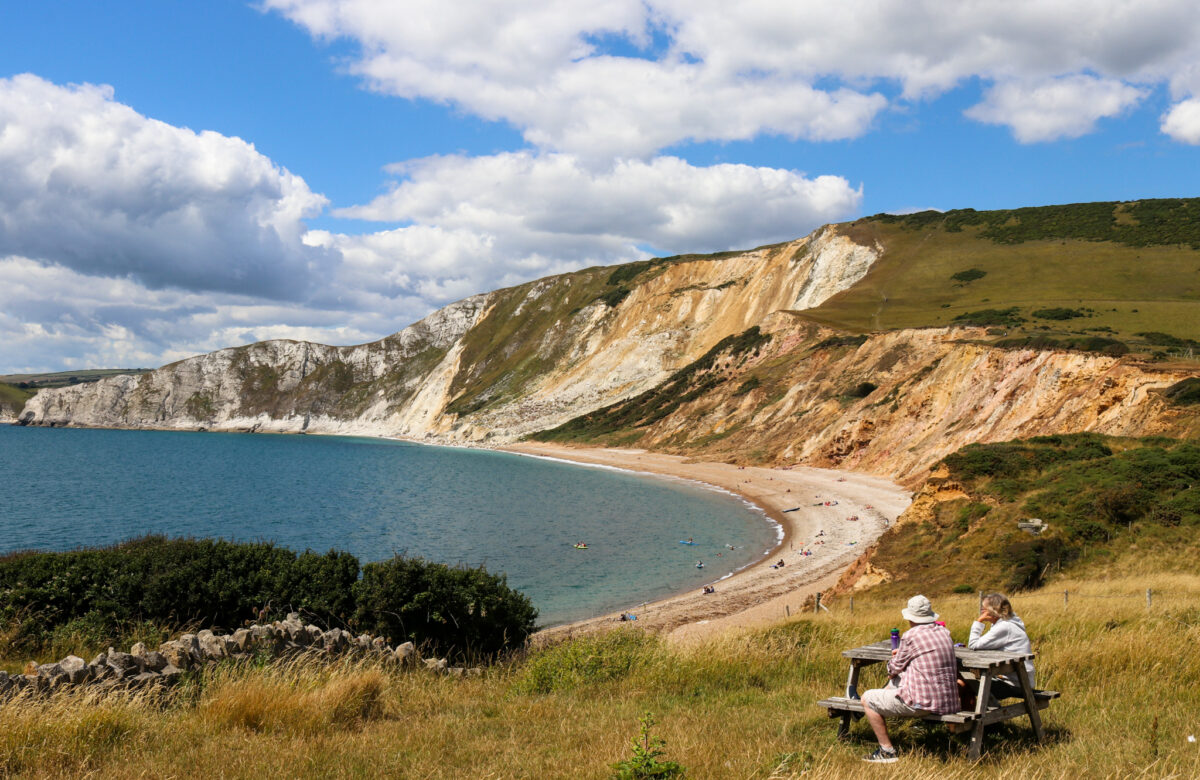
You might discover this expanse of shingle and sand beach by chance on a visit to the abandoned village of Tyneham.
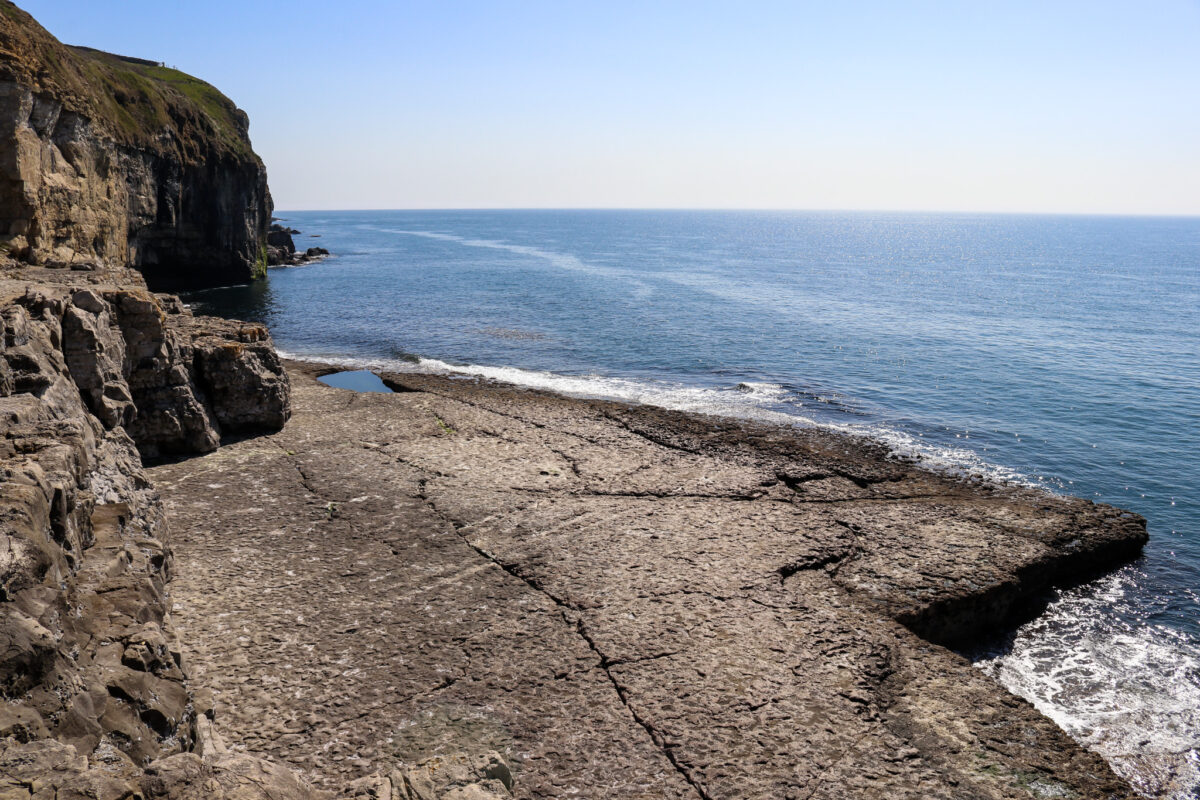
One of Purbeck’s most famous landmarks sits just under the cliffs near the villages of Langton Matravers and Worth Matravers.
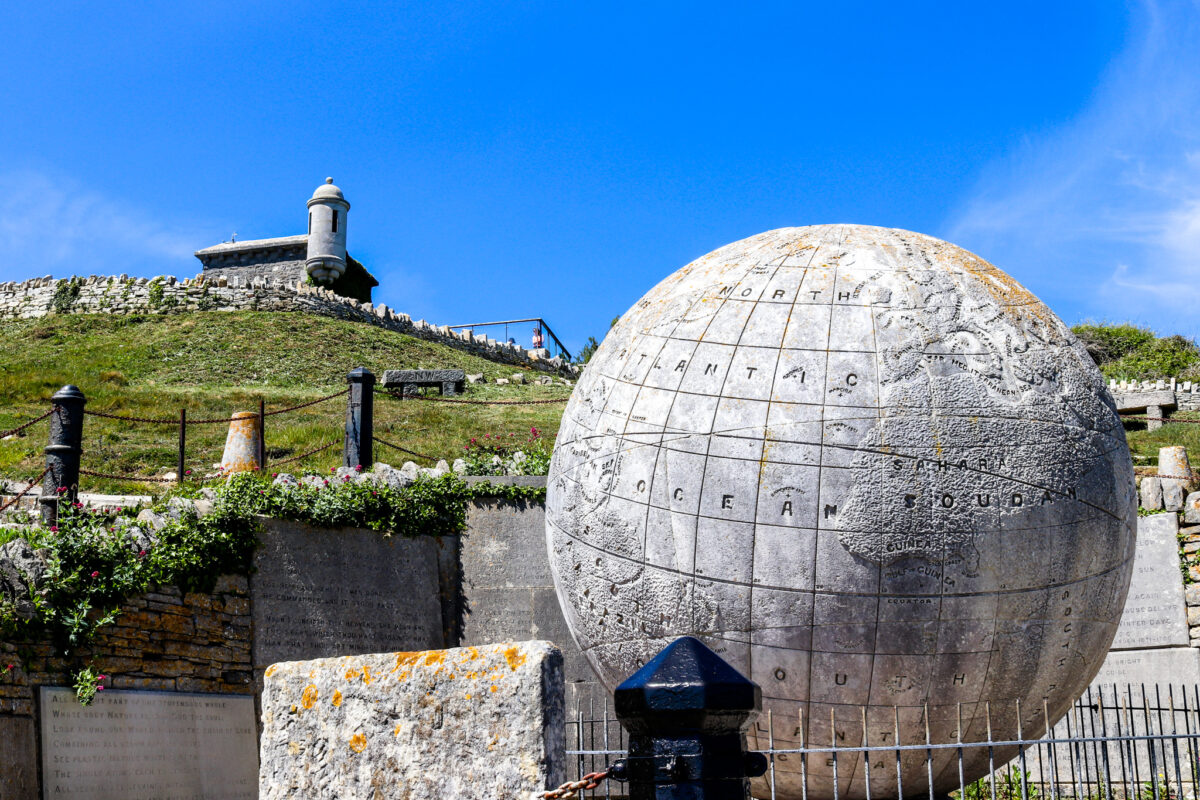
Meander through hay meadows, explore quiet woodland trails and be wowed by stunning sea views at Durlston – just a stone’s throw from Swanage town.
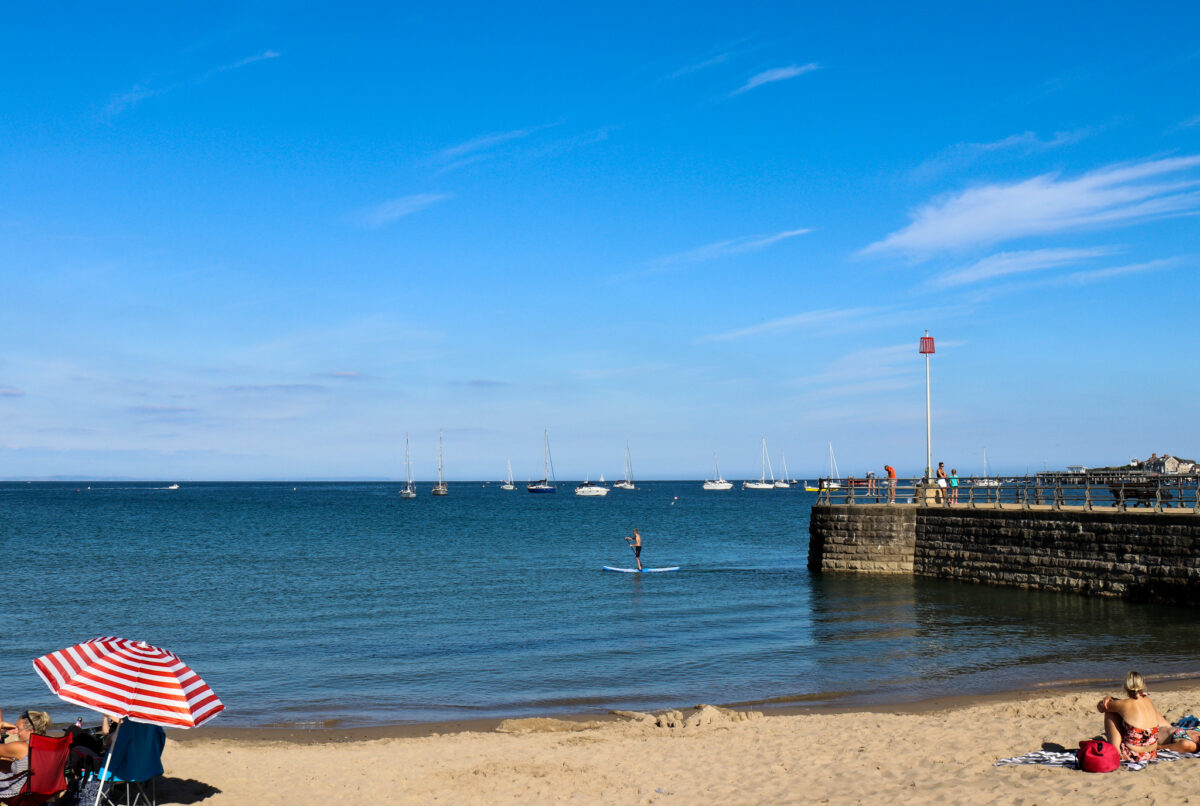
The jewel in Swanage’s crown is its beautiful beach that sweeps around the curve of its sheltered bay.
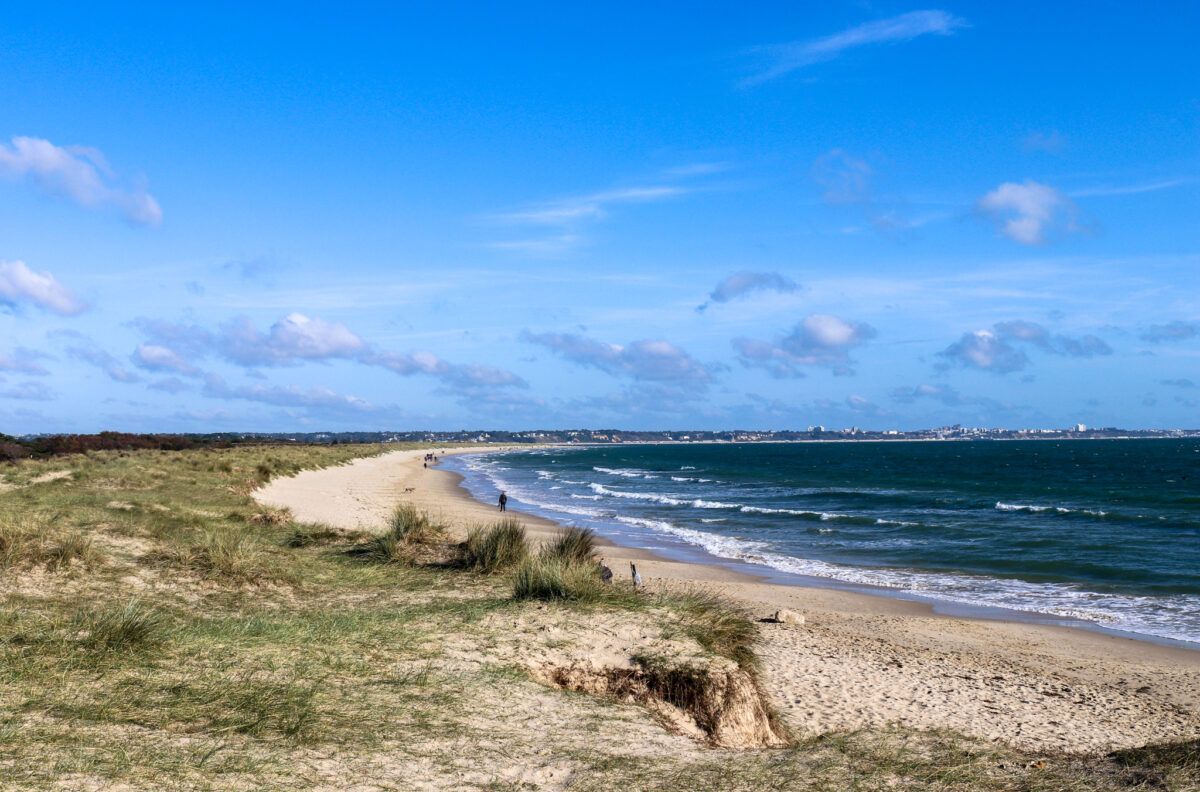
Comprised of four miles of sandy beaches and with acres of heathland and sand dunes to explore, Studland Bay and Nature Reserve has something for everyone.
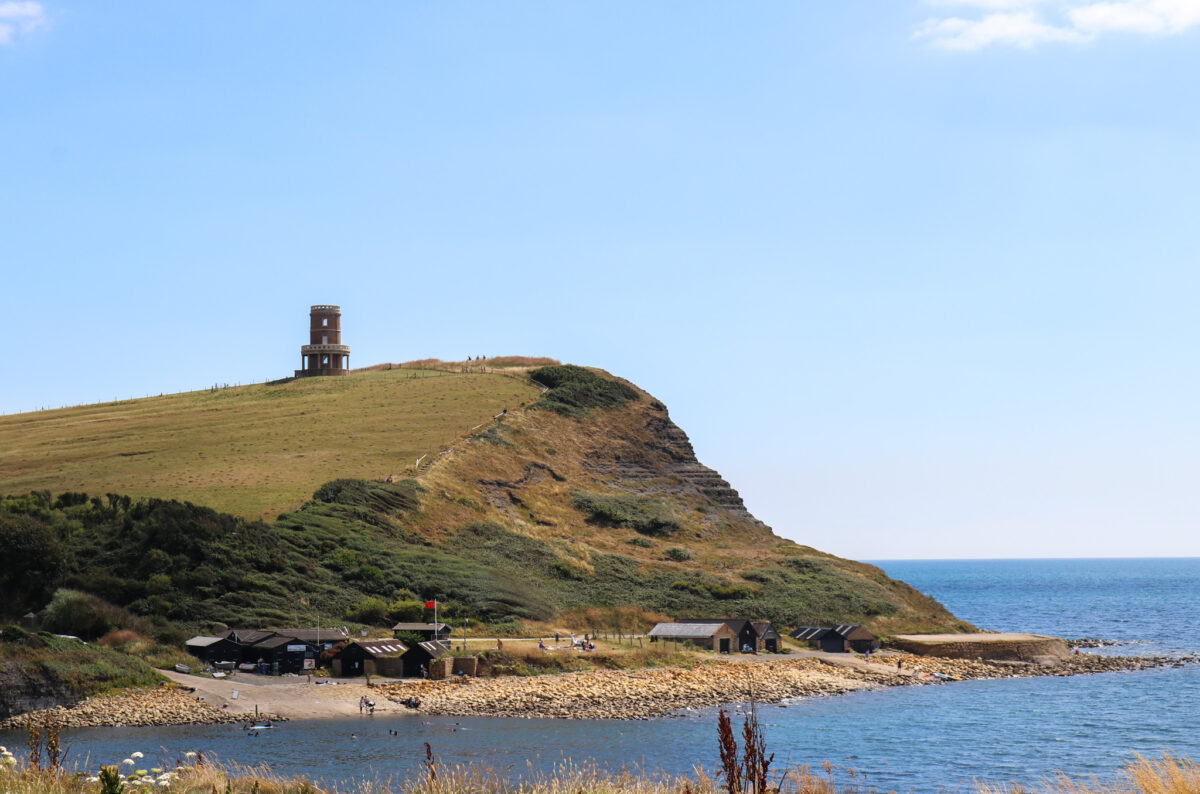
Geological and Jurassic history abound in this striking Purbeck bay.
Kimmeridge Bay is the perfect spot to explore rock pools and discover the rugged, fossil-rich shores of the Isle of Purbeck. If the Jurassic Coast’s globally significant geology drew you to Dorset, then Kimmeridge Bay is a must-visit. Its dramatic cliffs, unique rock formations and abundance of fossils reveal the rich natural history of this special area of coast. The bay lies within the Jurassic Coast UNESCO World Heritage Site, is part of the Dorset Area of Outstanding Natural Beauty, and falls inside the Purbeck Coast Marine Conservation Zone – designations that reflect its exceptional geology and marine life.
With calm, sheltered waters, Kimmeridge Bay is also popular for snorkelling, diving, kayaking and windsurfing. It offers generally safe swimming conditions thanks to the lack of strong currents, and the absence of sand means the water is often remarkably clear. Surfers flock here when conditions are right – the Broadbench reef just offshore produces Dorset’s premier reef break with waves up to 15 ft (infrequently, under ideal swell). In summer, the shallow warm waters are enjoyed by families and beginner snorkelers alike, while more adventurous visitors explore the bay’s outer reaches on paddleboards or even scuba dives.
The history revealed in the cliffs at Kimmeridge is apparent as soon as you step onto the beach. The striking layers of Kimmeridge Clay reach around the bay.
Kimmeridge Bay features some of the most important geology anywhere on the Jurassic Coast. The cliffs here are composed of the Kimmeridge Clay formation – a dark, highly organic shale from the Late Jurassic period. This rock is so significant that it gives its name to the Kimmeridgian stage of geology, and its oil-rich layers form a major source rock for petroleum in the UK.
These paleontologically-important cliffs are rich in fossils – ammonites, bivalves, belemnites, and even occasional marine reptiles or dinosaur bones. Notably, the world’s first identified fossilised ammonite eggs were discovered at Kimmeridge Bay.
Note, however, that fossil-hunting and the use of hammers is not permitted at Kimmeridge Bay. Fortunately, many fossils can be spotted loose among the shale on the beach. The flat ledges of rock extending into the bay are actually wave-cut platforms of Kimmeridge Clay, formed by erosion. They create a unique shoreline landscape at low tide – ideal for examining ancient Jurassic deposits up close.
From these sequential layers of shale, geologists and palaeontologists have pieced together a detailed record of a 157-million-year-old seabed. Kimmeridge’s legacy even extends to industry: during the 19th century, oil shale from these cliffs was mined and distilled for products like paraffin and paint. And since 1959, an onshore oil well known as the “nodding donkey” has been quietly pumping oil from strata beneath the bay – it’s the UK’s oldest working oil pump. (You can glimpse this small oil pump on the cliff to the west of Kimmeridge village, and an information board near the beach provides details for curious visitors.)
Combine your trip with a visit to the village’s museum and education centre – The Etches Collection.
Learn all about the geology and fossils found in the area, and just how important Kimmeridge Bay is to the story of the Jurassic Coast.

The Etches Collection: Museum of Jurassic Marine Life is the first port of call for any fossil enthusiast. Curated by resident expert fossil-hunter Dr Steve Etches, the small but perfectly formed museum features interactive exhibits, video guides and the chance to look around Dr Etches’ lab.
The magic of this museum is that every fossil, ammonite and dinosaur tooth in the display was found in and around Kimmeridge Bay itself, making it a truly local ‘Deep Time’ adventure. Visit the museum shop for some dinosaur and fossil-themed merchandise.
The museum is open daily, 10am – 5pm. Last entrance is at 4.15pm.
ℹ️ www.theetchescollection.org
📞 01929 270000
The Fine Foundation Wild Seas Centre is a great way to discover everything Kimmeridge Bay has to offer.
From interactive displays and events, to underwater snorkel trails, there are plenty of ways to learn about Kimmeridge’s sea creatures and habitats.
The centre has a small shop and picnic area, as well as toilet and disabled facilities. It’s run by the Dorset Wildlife Trust and includes live marine tanks, underwater cameras, and frequent events such as guided rockpool rambles and seashore scavenger hunts. Entry is free but accessed via the toll road.
April – October: Wednesday – Sunday, 11am – 4pm (closed 1–1:30pm)
November – December: Thursday – Sunday, 11am – 4pm (closed 1–1:30pm)
(Closed January – March)
ℹ️ www.dorsetwildlifetrust.org.uk/wild-seas-centre
📞 01929 481044
As well as the fantastic restaurant & café in the village, Clavell’s, Kimmeridge has a seasonal pop-up eatery – Boat on the Bay.
It boasts fresh, locally-caught lobster and crab for a delicious meal at the bay, and serves tasty brunches, afternoon teas and main courses, with vegetarian and vegan options available.

There’s options for kids, delicious desserts and a selection of hot drinks, Purbeck Ice Cream and both alcoholic and soft drinks.
As you arrive at the beach, one of the first things you’ll notice is the WWII pill box, leaning into the sea.

There is a second one at the base of the hill up to Clavell Tower.
The walk up to Clavell Tower is fairly challenging, with steep steps which can be slippery when wet, but it’s worth the climb for the spectacular panoramic views.

Parts of Kimmeridge lie within the Lulworth Ranges – a live firing training area used by the British Army.

As with all areas of the UK coastline, it is important to keep a sensible distance from the foot of the cliff as rock falls can occur. The ledges can also be slippery, so take care when exploring. Fossil hunting and the use of hammers is prohibited.

Dogs are welcome at the bay all year round. Keep them on a lead near cliffs and livestock. Clean up waste – bins are provided.
For your SatNav: BH20 5PF
The best way to get to Kimmeridge Bay is by driving. You can drive down the toll road to the car park, or walk from the village.

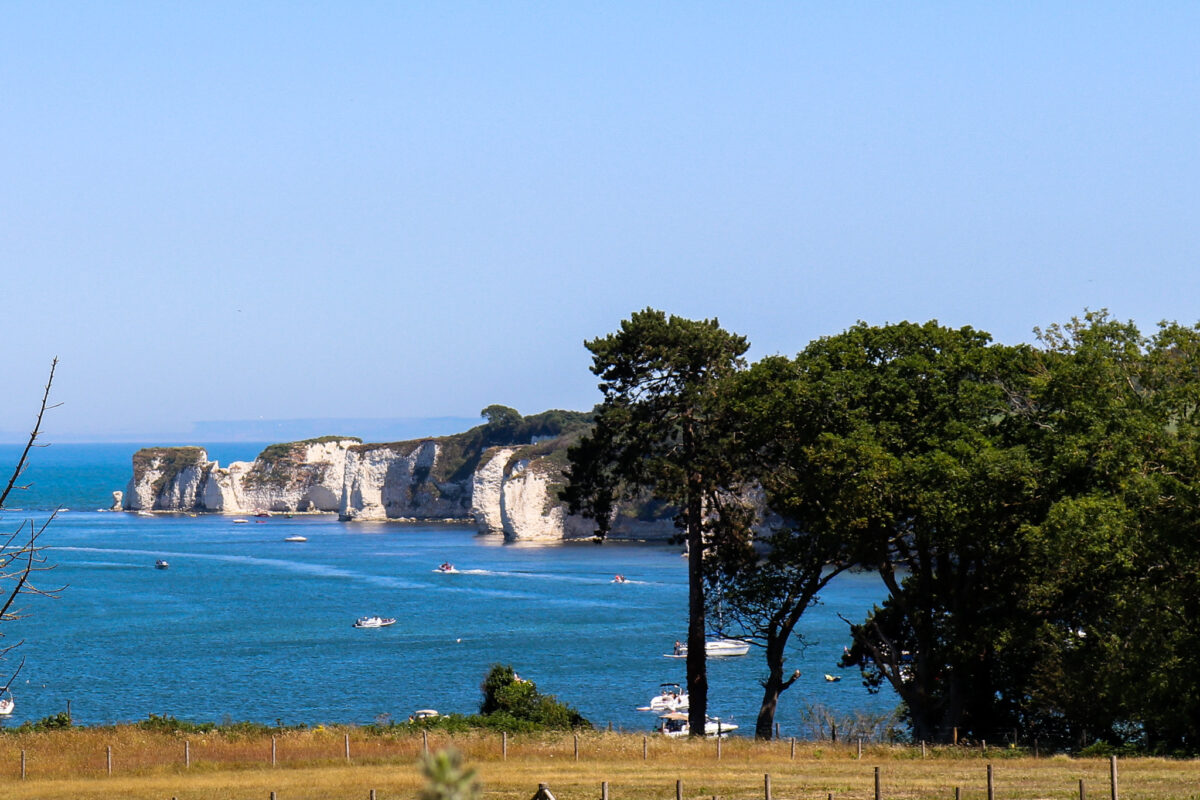
One of the most iconic landforms on the South Coast – Old Harry Rocks – is just a stone’s throw from Swanage and an important feature of Dorset’s Jurassic Coast history.
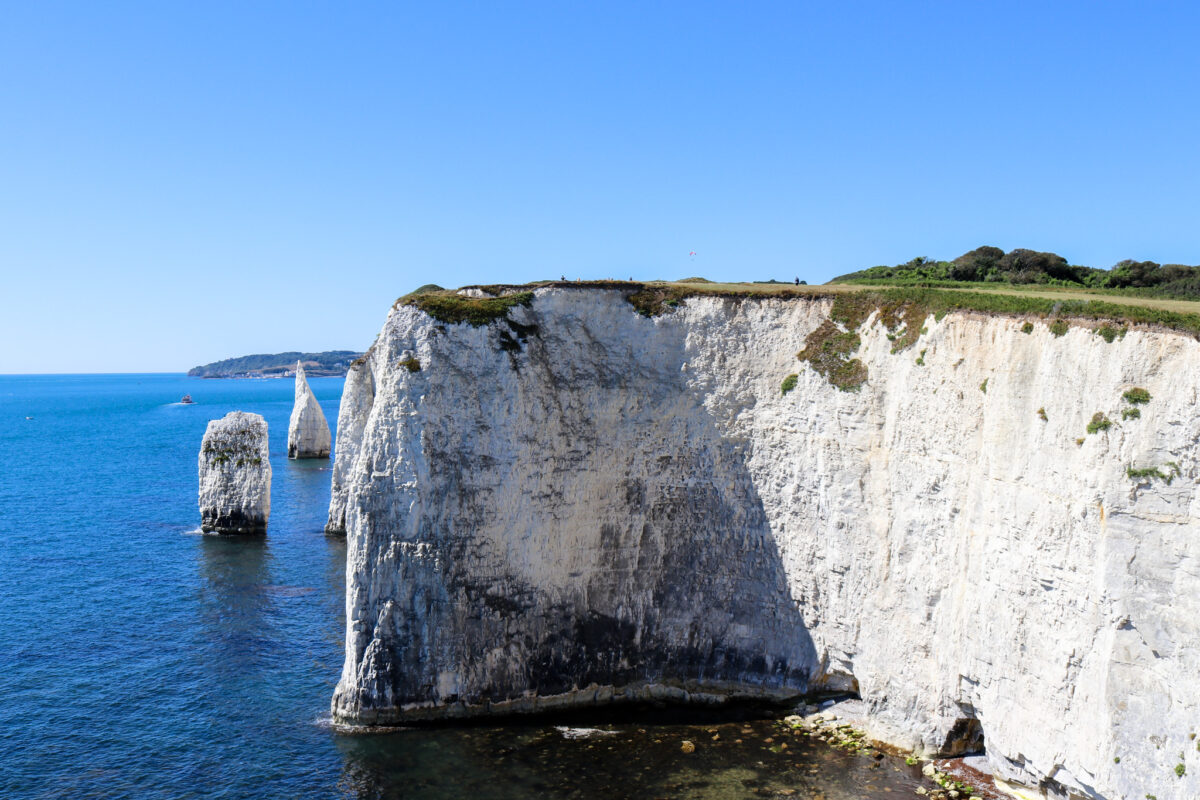
The Jurassic Coast needs no introduction: renowned worldwide for its breathtaking scenery and geological importance, this 95-mile stretch of coastline dominates Dorset’s landscape, history and character.