Boasting one of the most unique and beautiful settings in the UK, the historic Corfe Castle village is a truly special spot in Dorset, nestled beneath the ruin of Corfe Castle itself.
Categories
Corfe Castle village
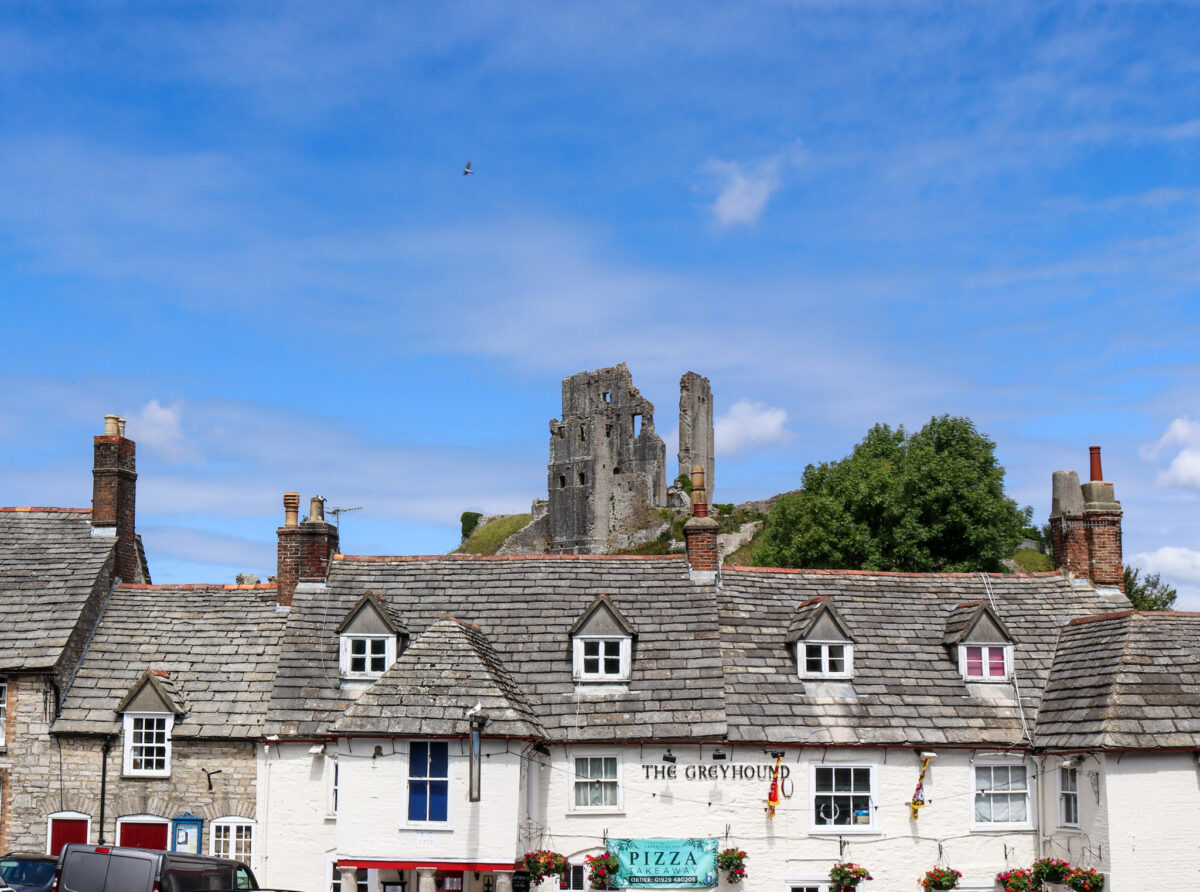
Boasting one of the most unique and beautiful settings in the UK, the historic Corfe Castle village is a truly special spot in Dorset, nestled beneath the ruin of Corfe Castle itself.
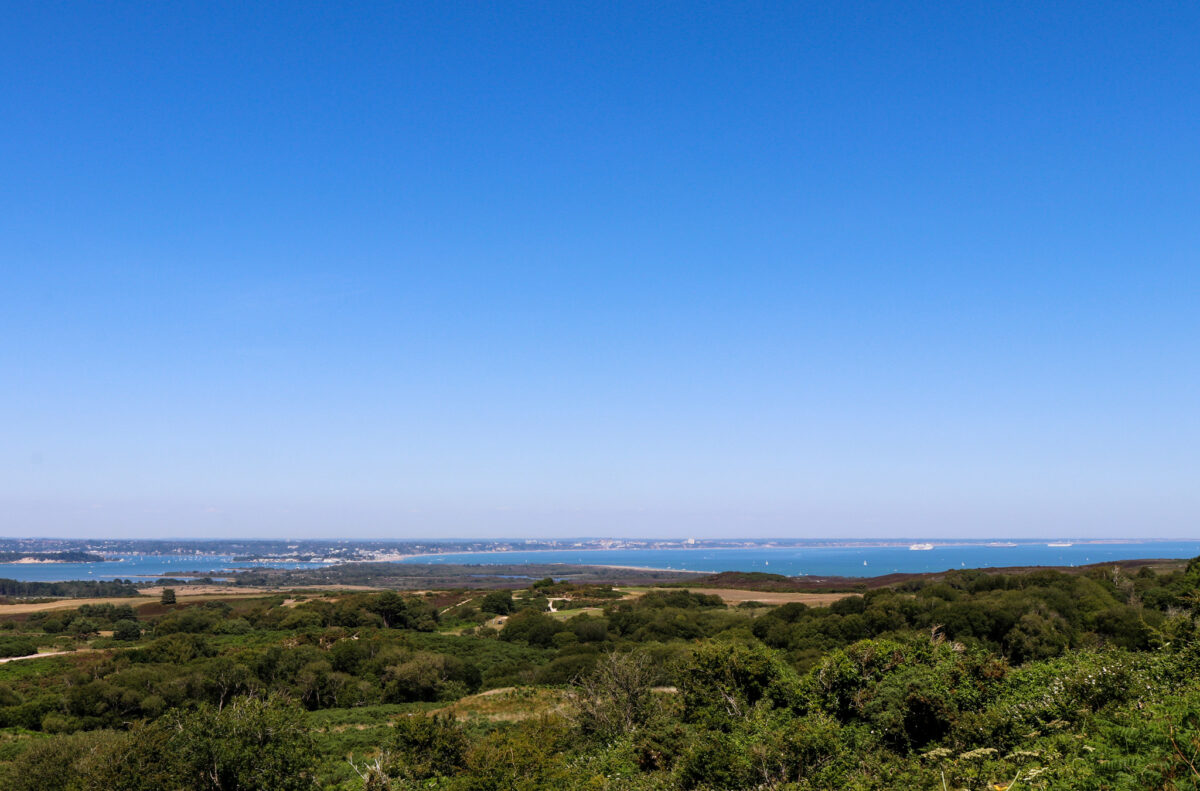
Not strictly an isle, but a peninsula, the Isle of Purbeck is home to a diverse array of wildlife, intriguing historical sites and areas of global geological importance.
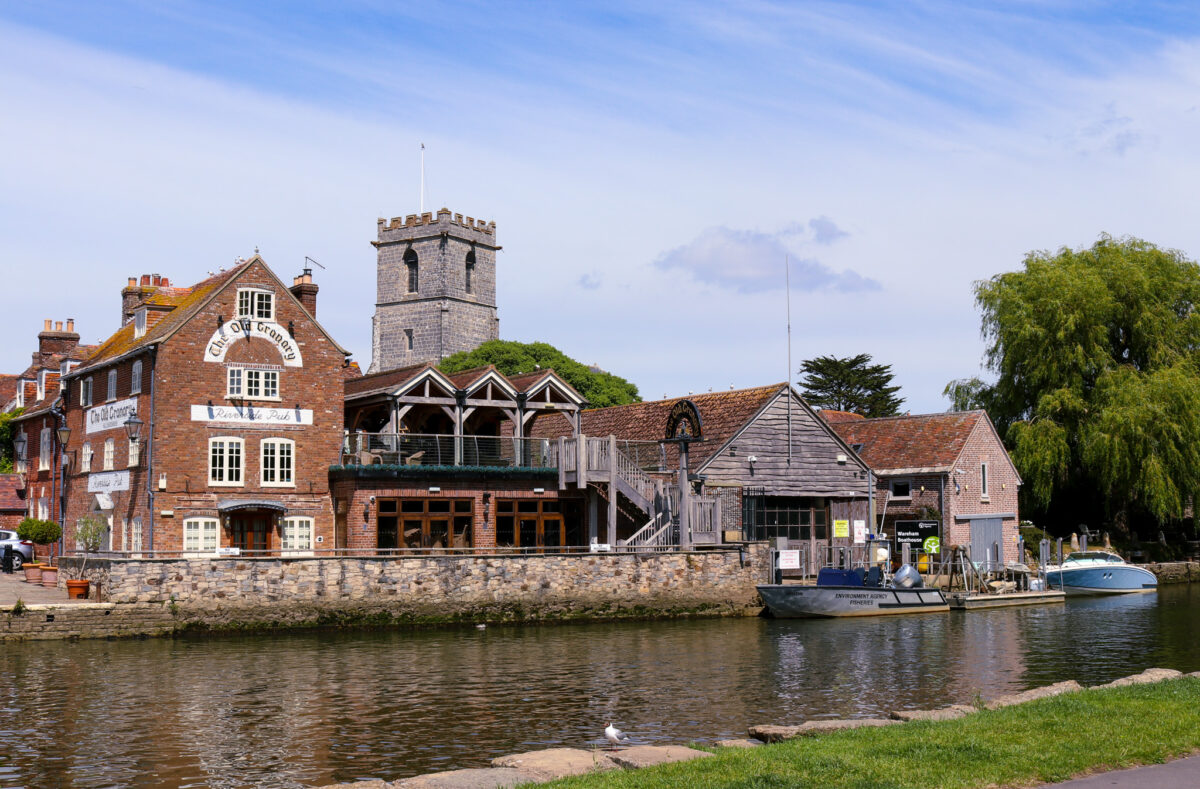
The historic market town of Wareham, with its beautiful river frontage, is a gateway to the Isle of Purbeck.
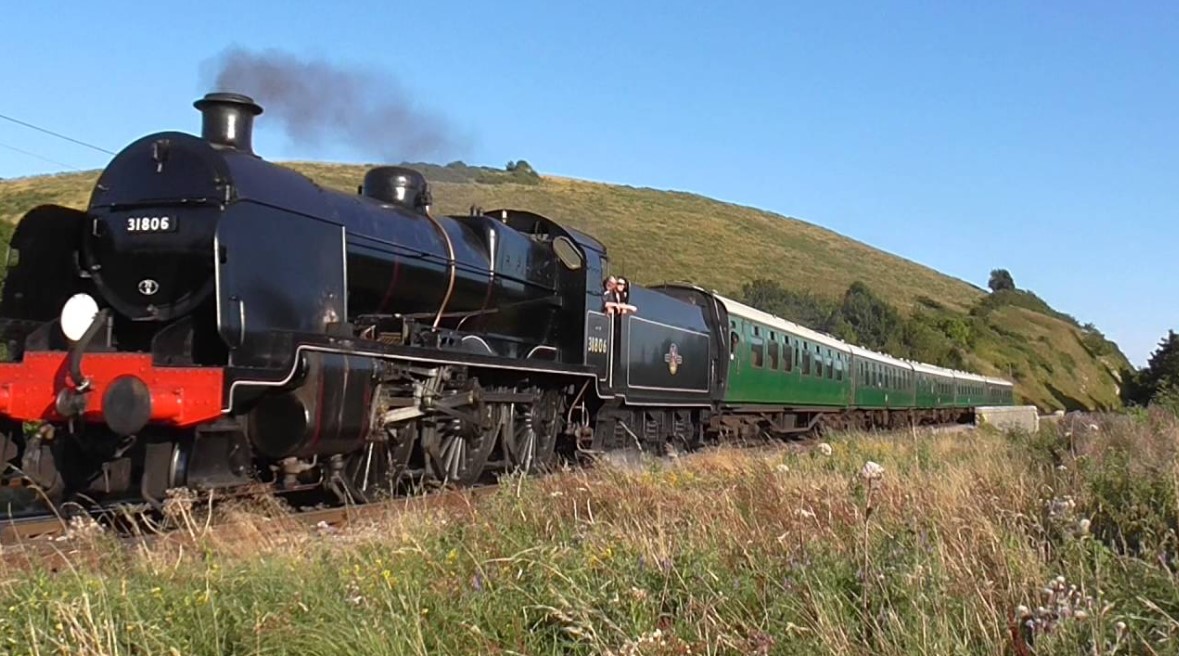
Take a trip through time on the Isle of Purbeck’s heritage railway.
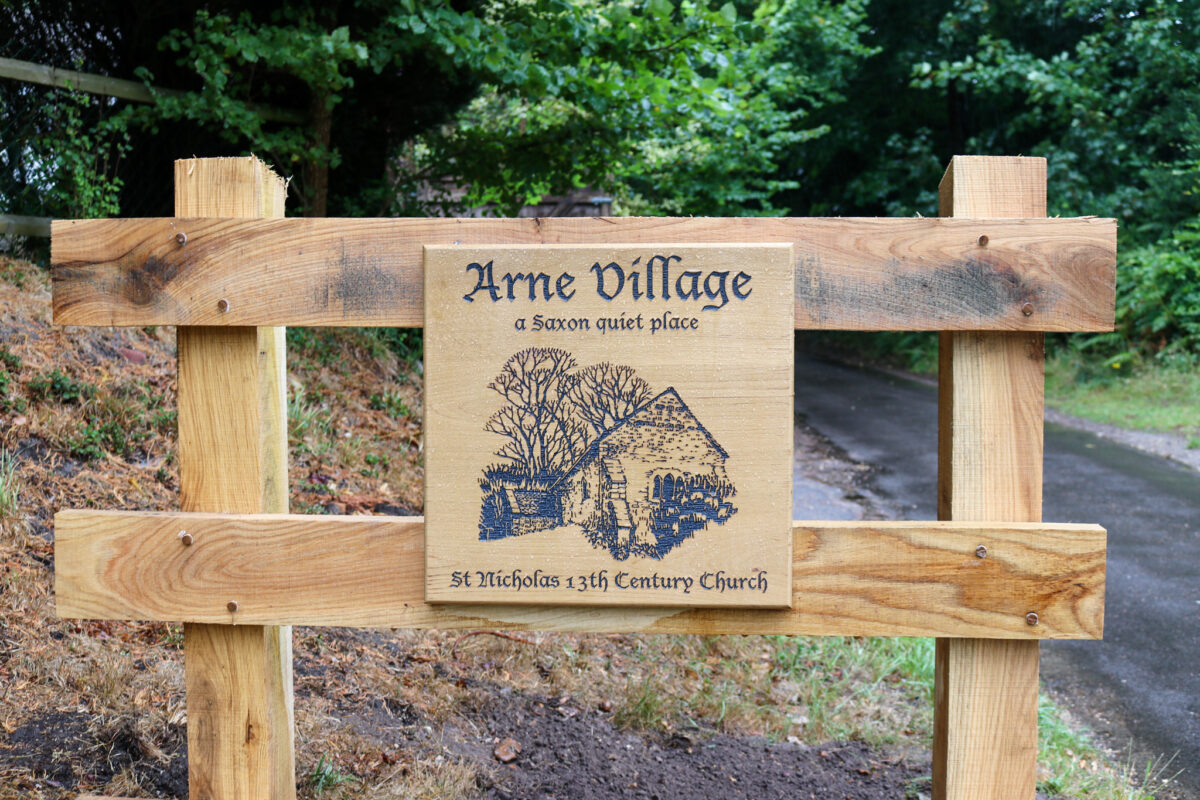
Lying quietly between its larger and more well-known neighbours of Wareham, famous for its Saxon heritage, and the Arne Nature Reserve – a 565-hectare expanse of wood and heathland maintained by the RSPB, sits the hamlet of Arne.
The RSPB nature reserve at Arne is perfect for both a short stroll through the woodland or a full day out walking and exploring.

You can get to Swanage from Poole by road and by sea for a quick and convenient way to spend the day at the beach.
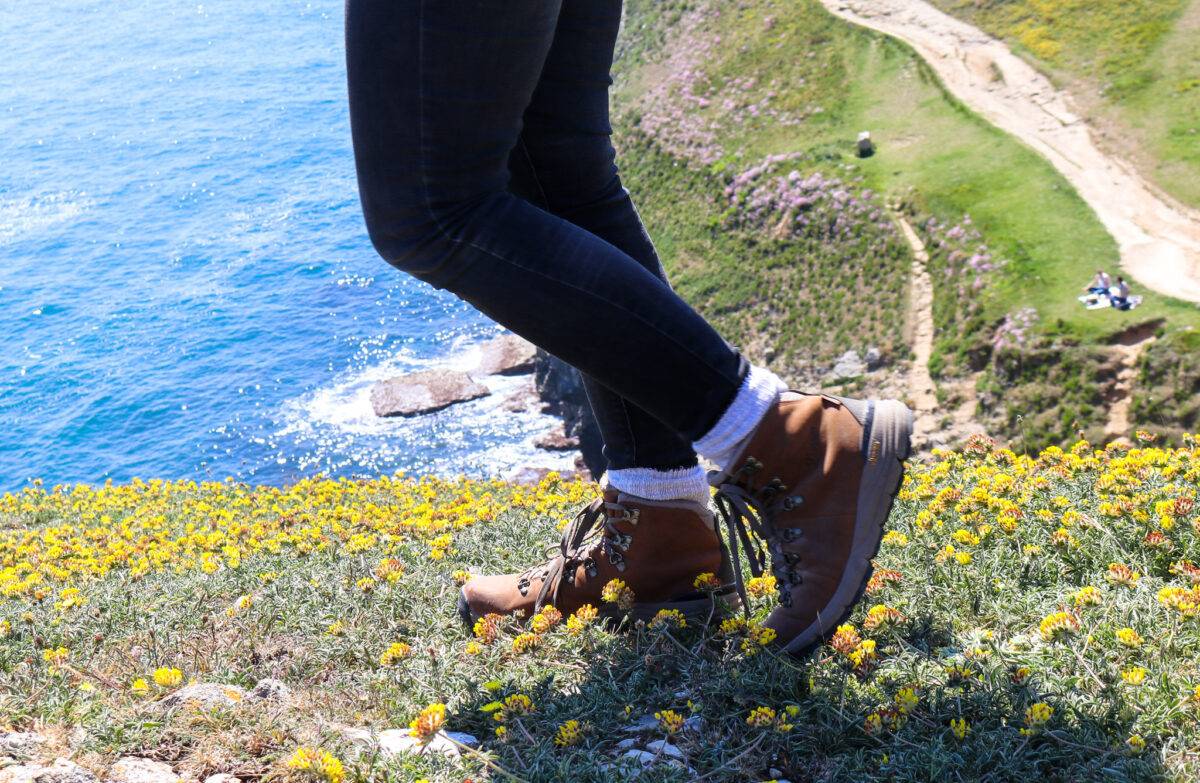
We are spoilt for choice in Swanage and the Isle of Purbeck with so many wonderful places to explore.
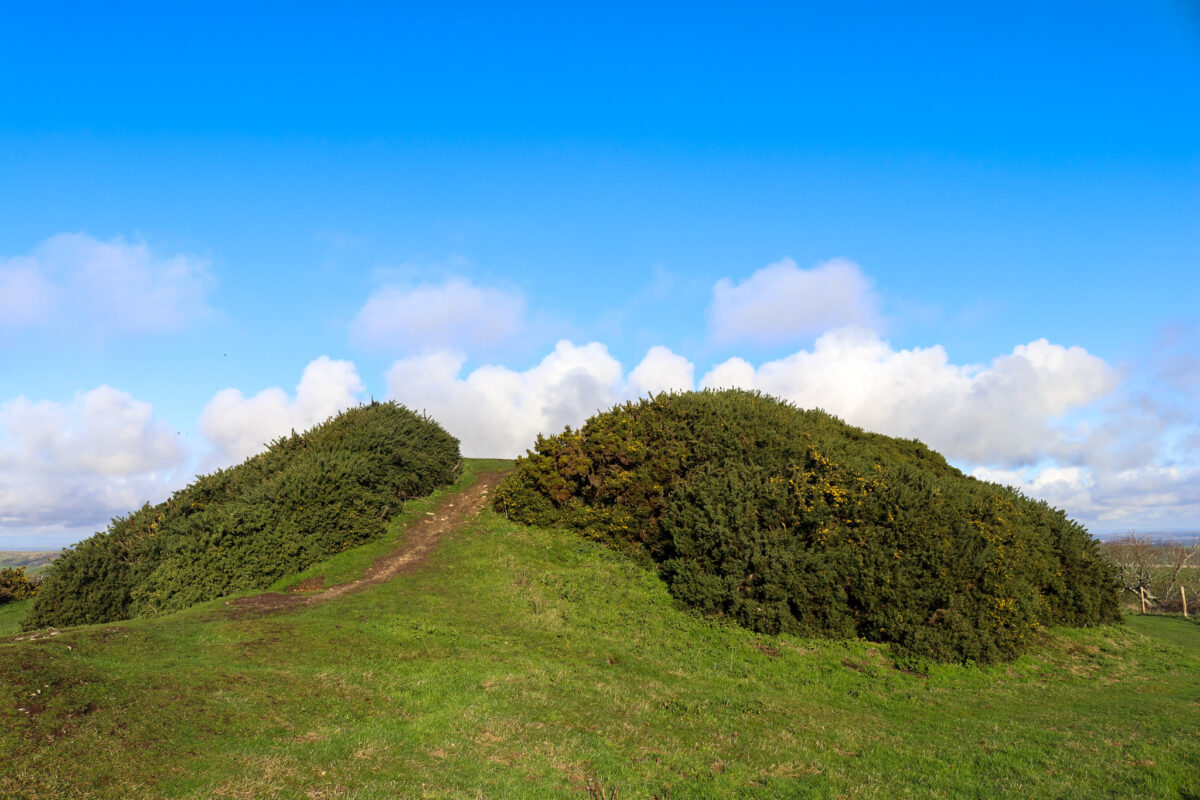
Standing proudly as the highest point of Purbeck, you can walk to Swyre Head from various locations.
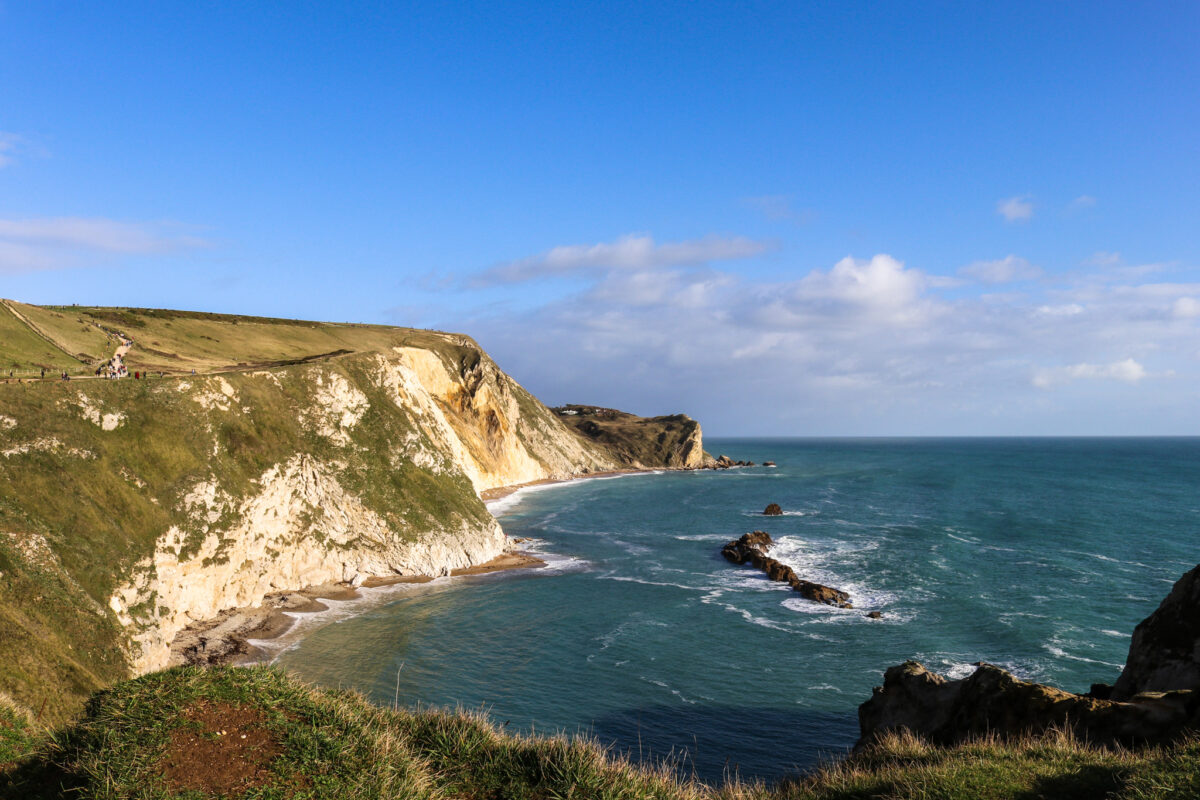
The smaller of Durdle Door’s two beaches, Man O’ War Bay, is an enclosed cove, perfect for picnicking and wiling away the hours in a stunning setting.
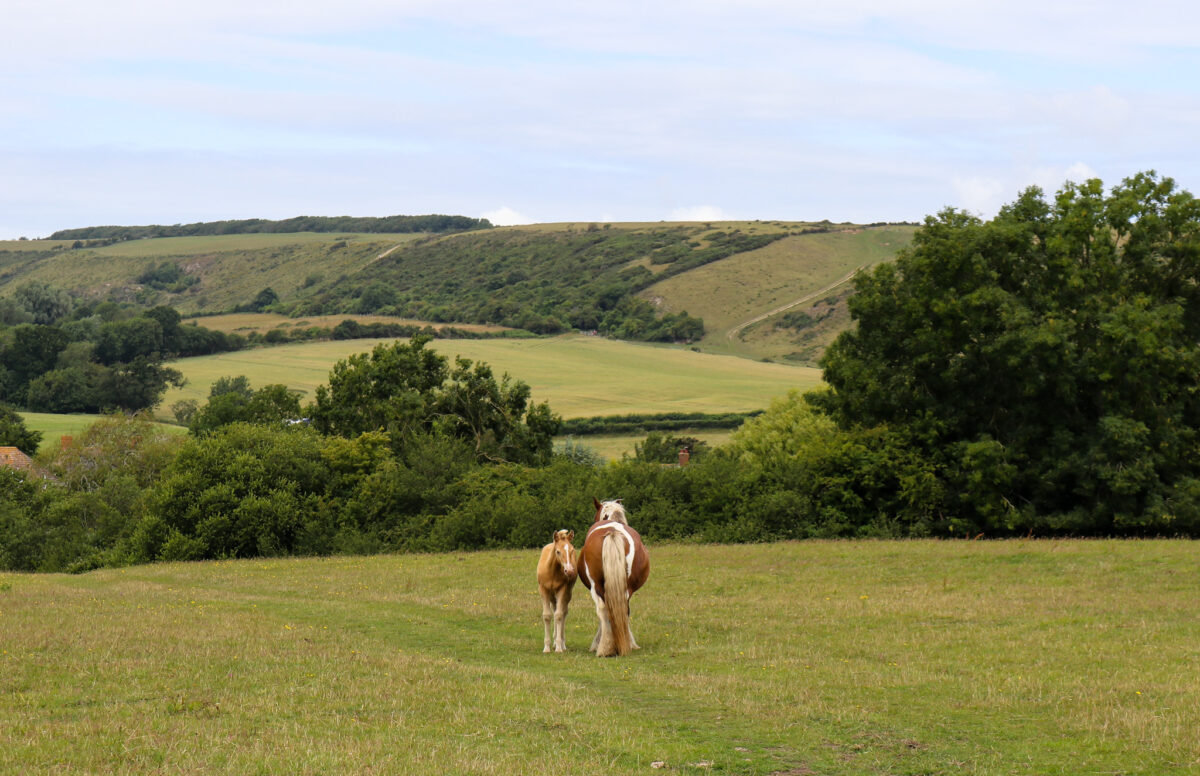
The Isle of Purbeck is arguably best viewed from atop its rolling hills as they fall away into picturesque villages and farmland on one side, into the stunning and famous landform-dotted sea on another, and with views reaching across Poole Harbour at yet another.
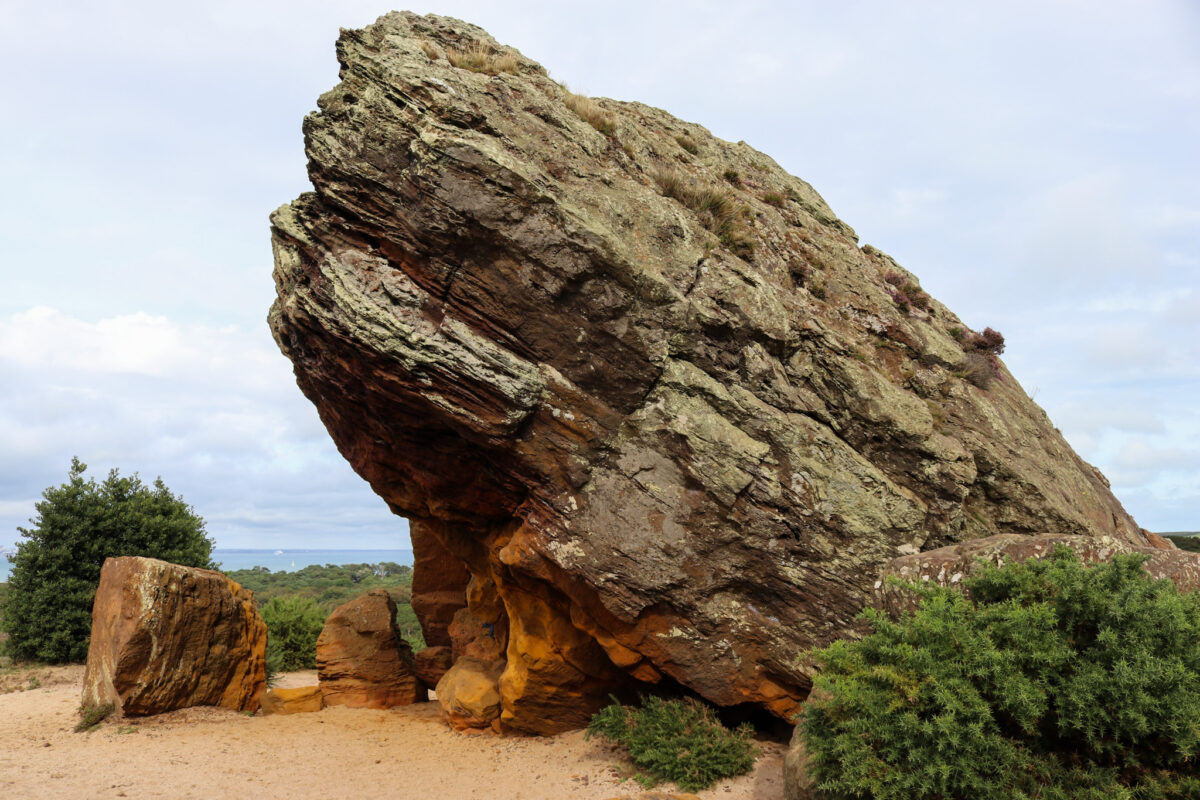
The Agglestone is one of Purbeck’s curious and quirky landmarks that have been delighting – and puzzling – people for generations.

There are two main ways to get from Bournemouth to Swanage – via the Sandbanks Ferry, or inland via the A351.
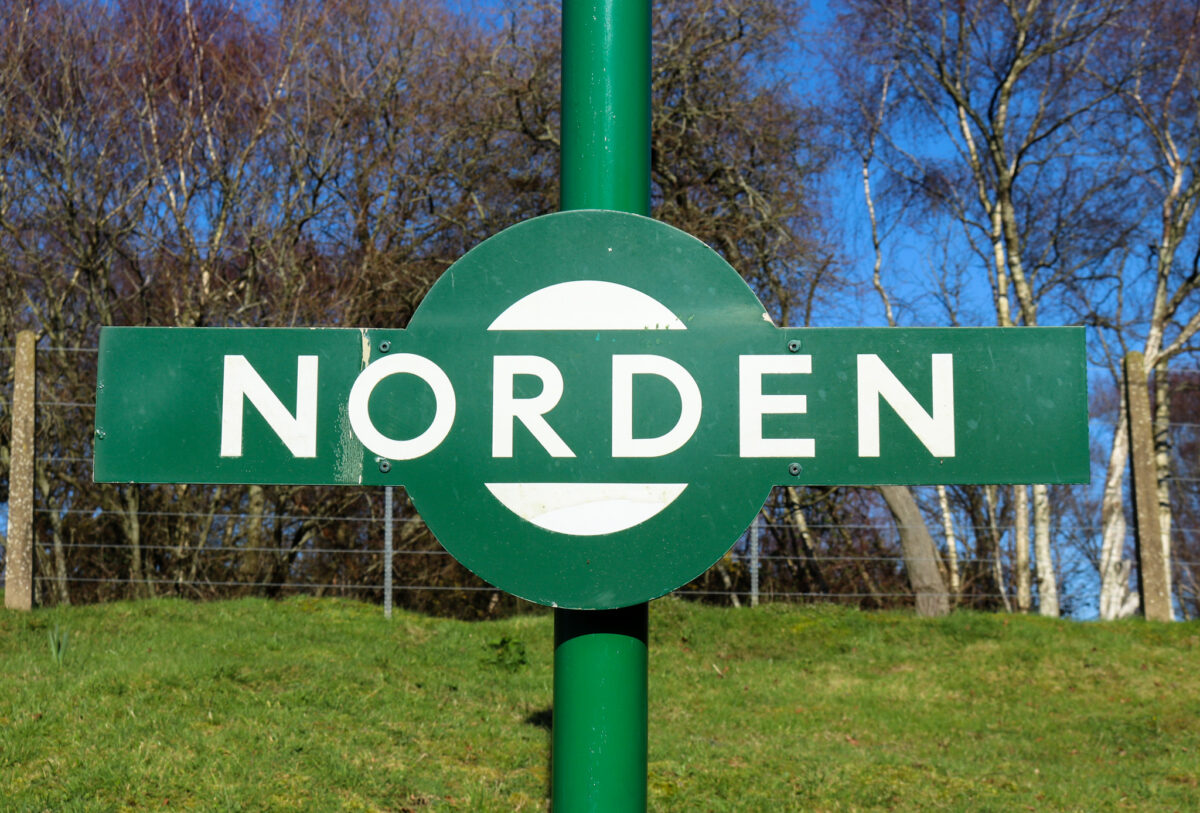
Norden is the first – or last, depending which direction you’re coming from – stop on the Swanage Railway.
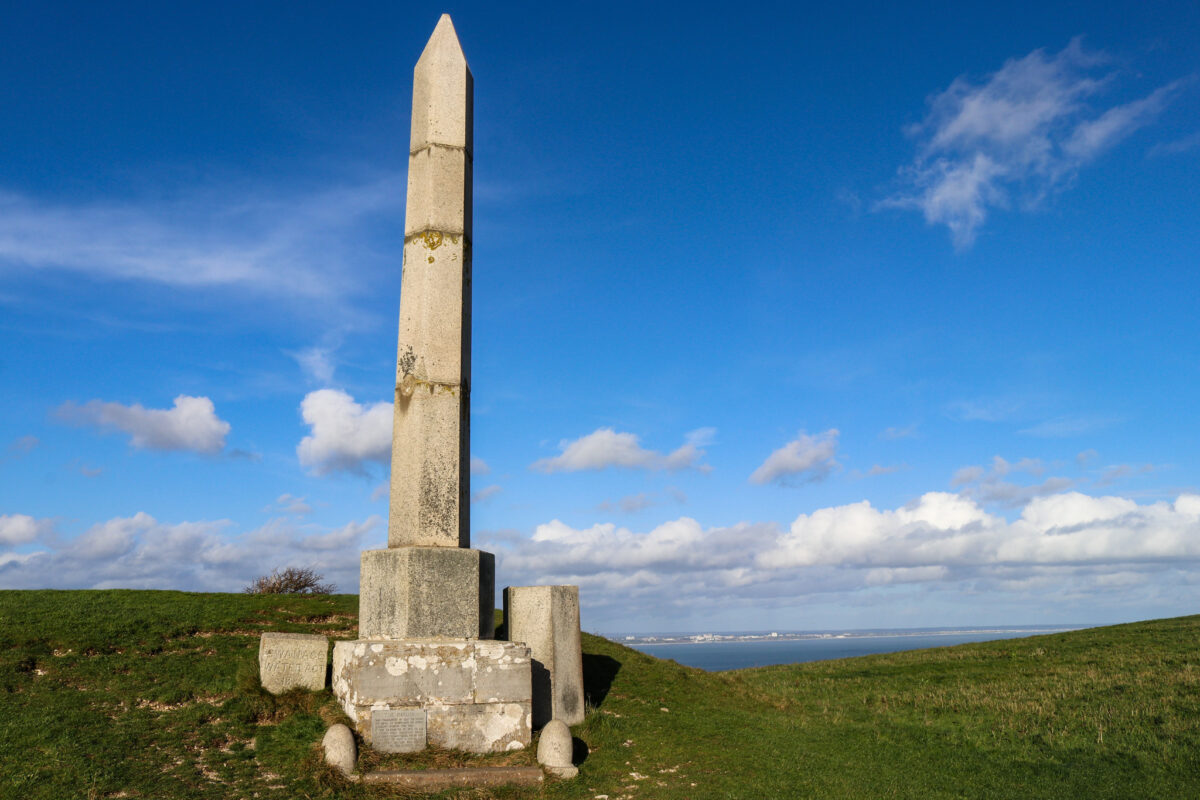
This towering hexagonal monument was brought to Swanage from London by George Burt – a local businessman and founding father of much of the town – in 1892.
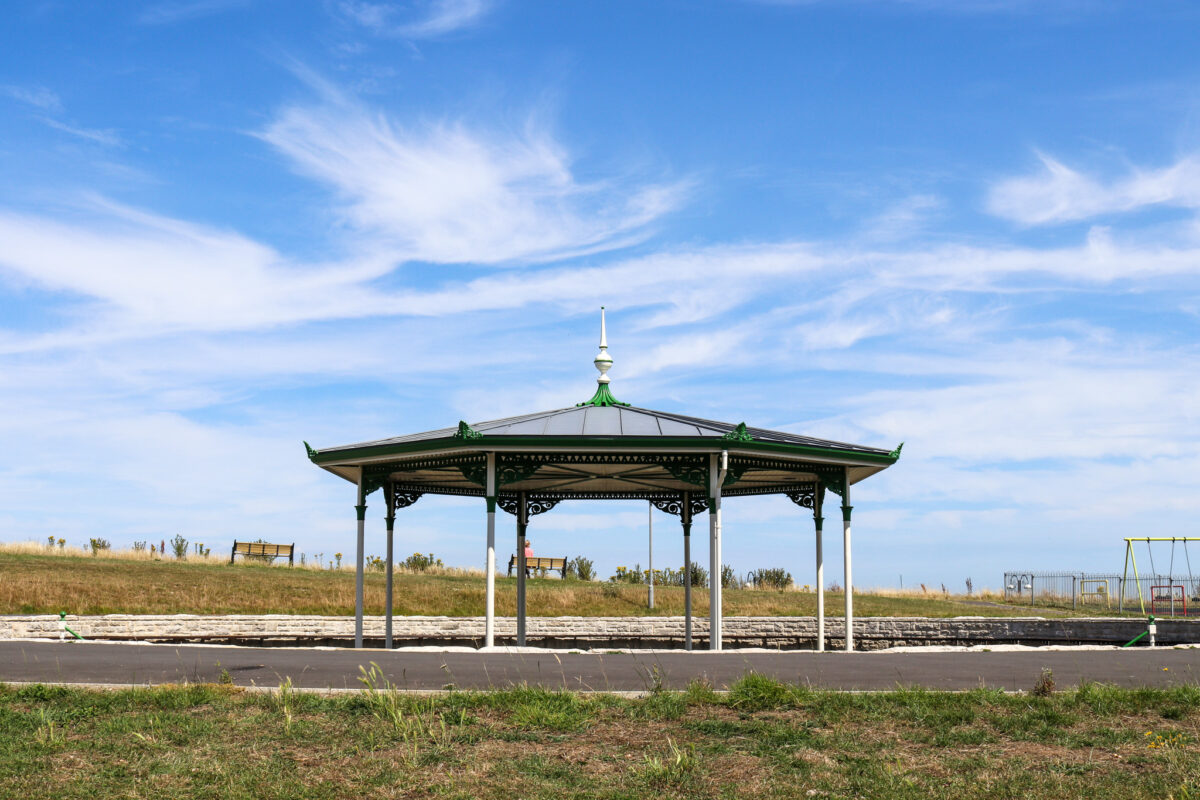
Stop by Swanage Bandstand for a quick bit of truly local history – or plan your visit for when an event is taking place to experience some good, old-fashioned entertainment.
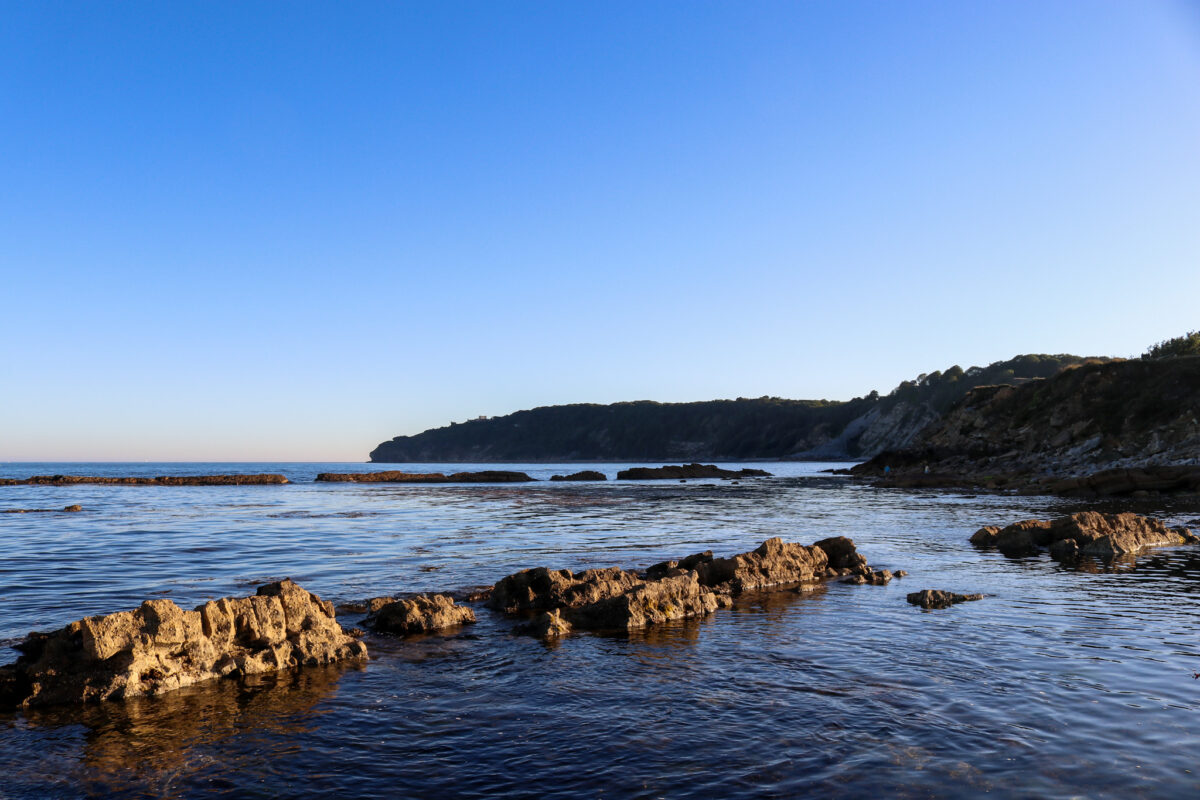
Durlston Castle and Country Park sit on the promontory of land that is Durlston Head.
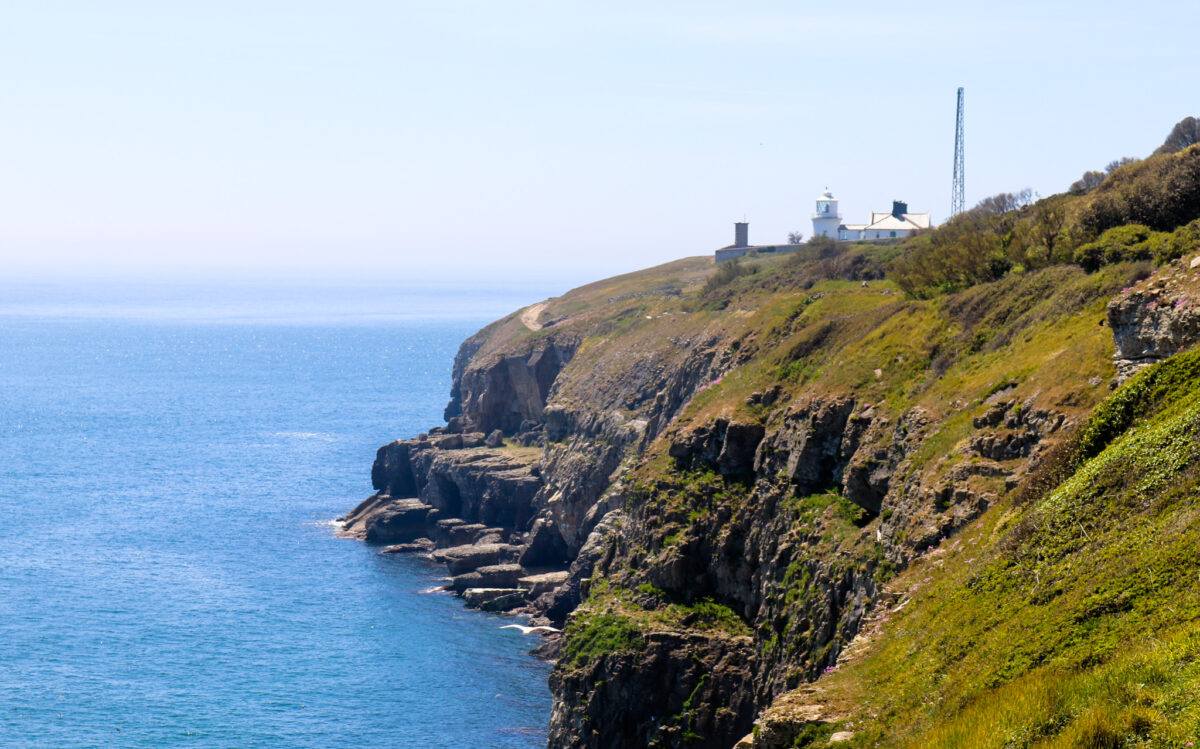
Home to the Anvil Point Lighthouse, built in the 1800s, the headland of Anvil Point is just one location for stunning seascapes and excellent walking within Durlston Country Park.
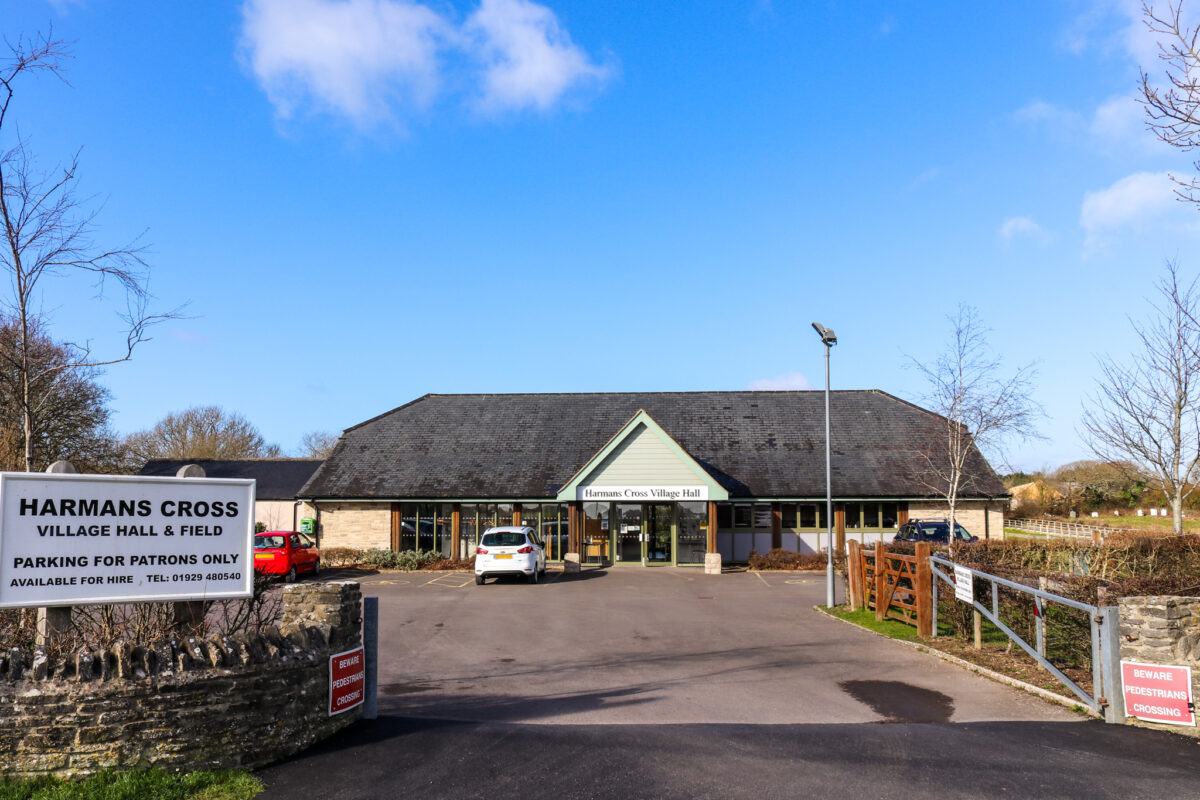
Situated between Swanage and Corfe Castle, the small size of the village of Harman’s Cross belies its busy and thriving community.
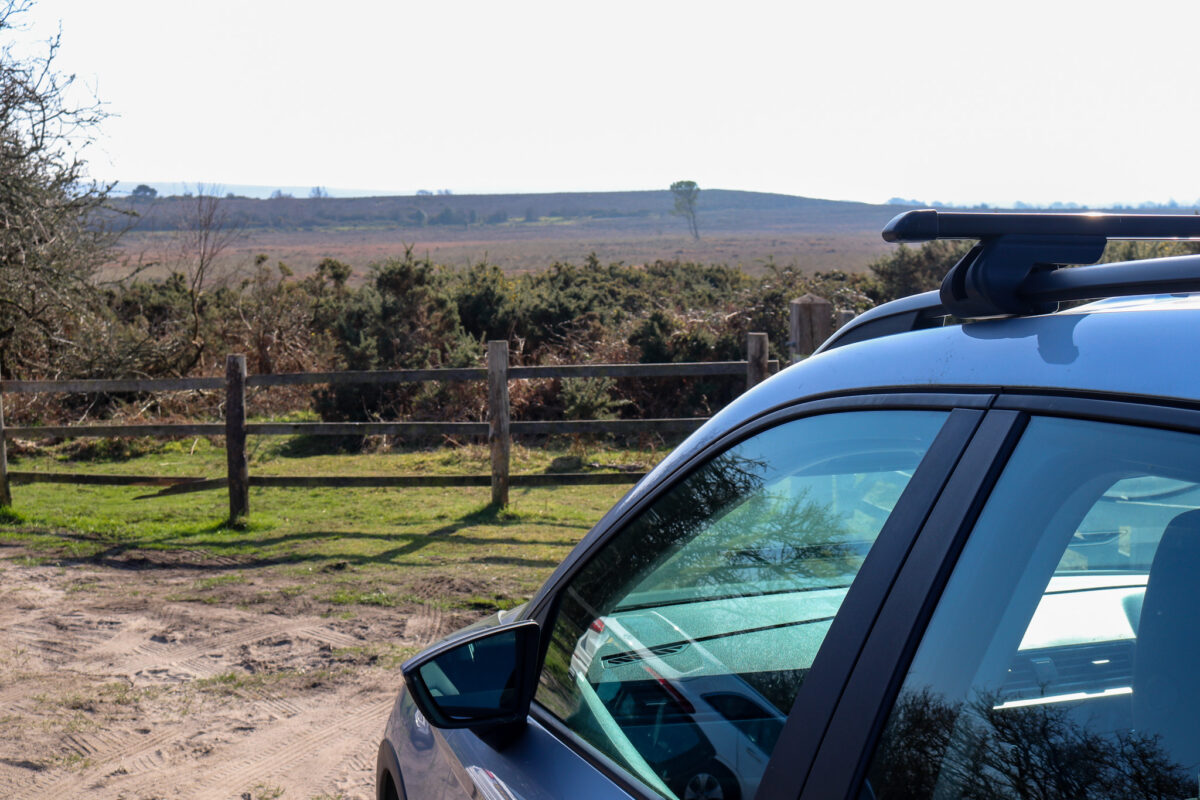
The ten-mile journey from Wareham to Swanage can be taken by car or bus – or partially by steam train.
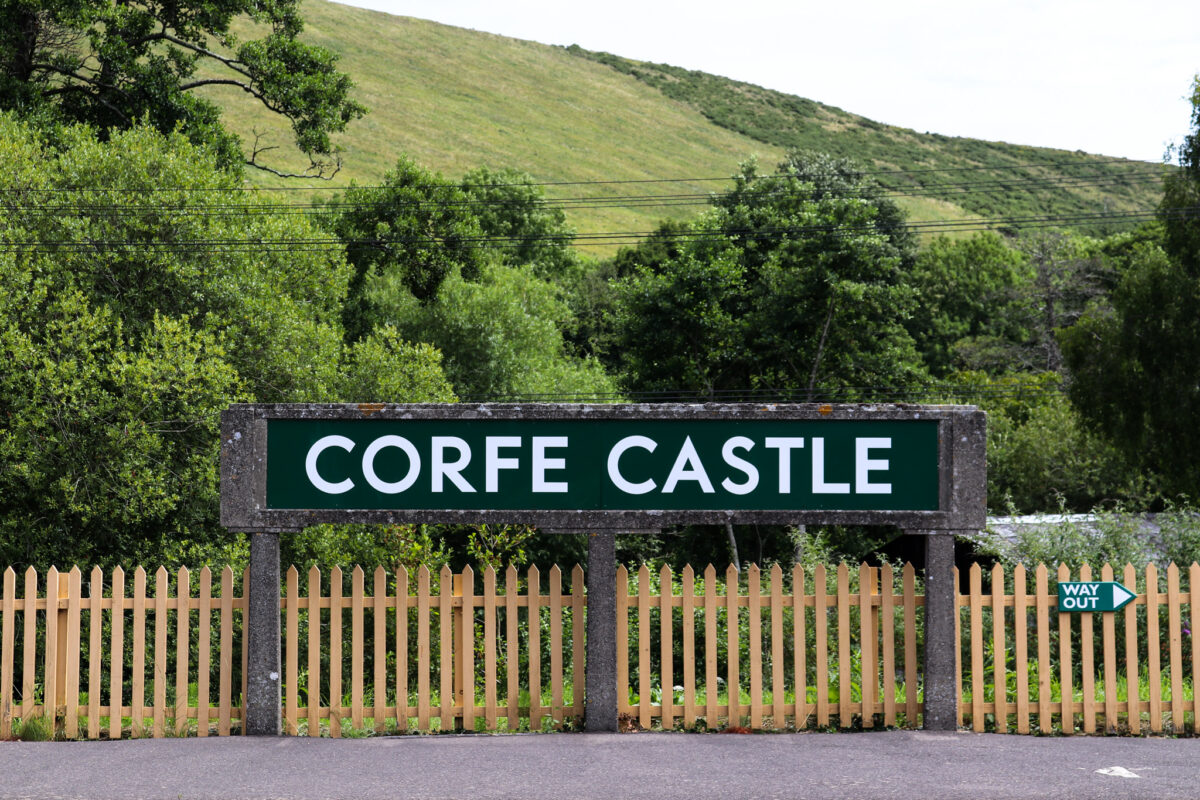
Whether or not you’re taking a trip on a Swanage Railway steam train, Corfe Castle Railway Station itself is well worth a visit, for its vintage charm and picture-postcard photo opportunities.
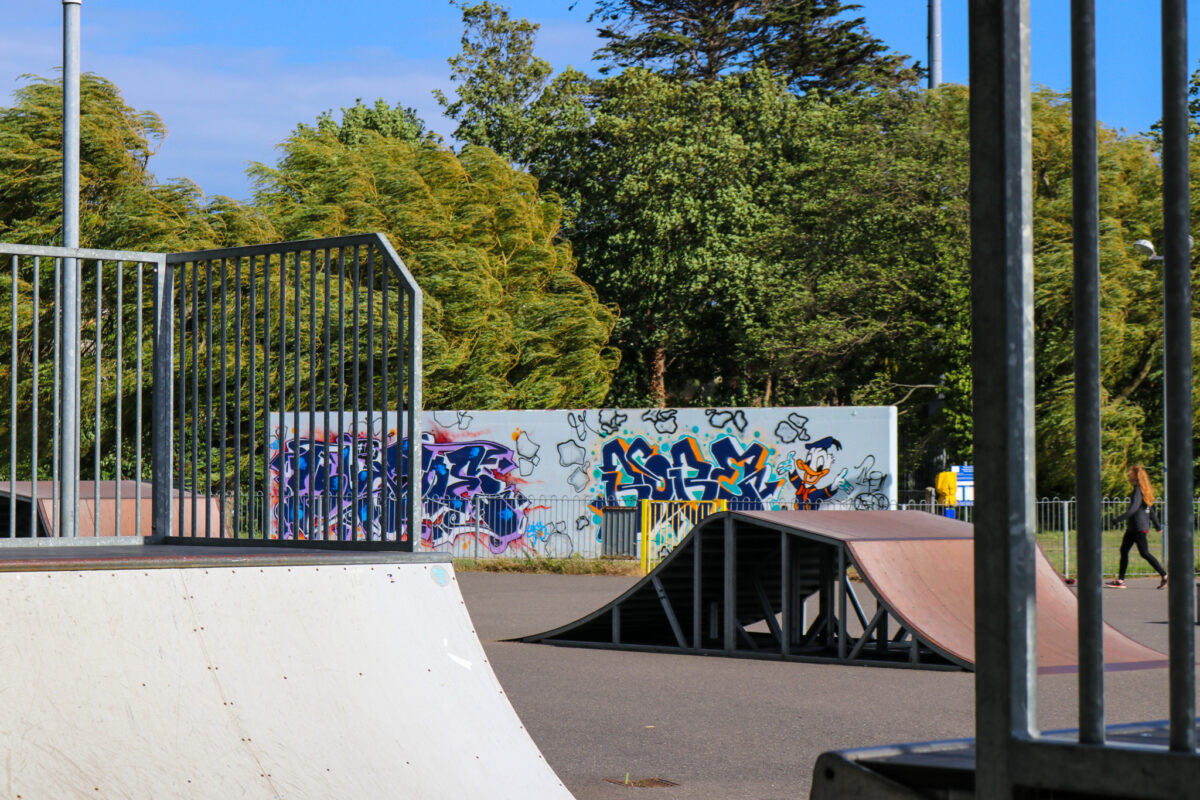
The town’s largest public park is popular with local children and teens with its skate park, graffiti wall and playground equipment.
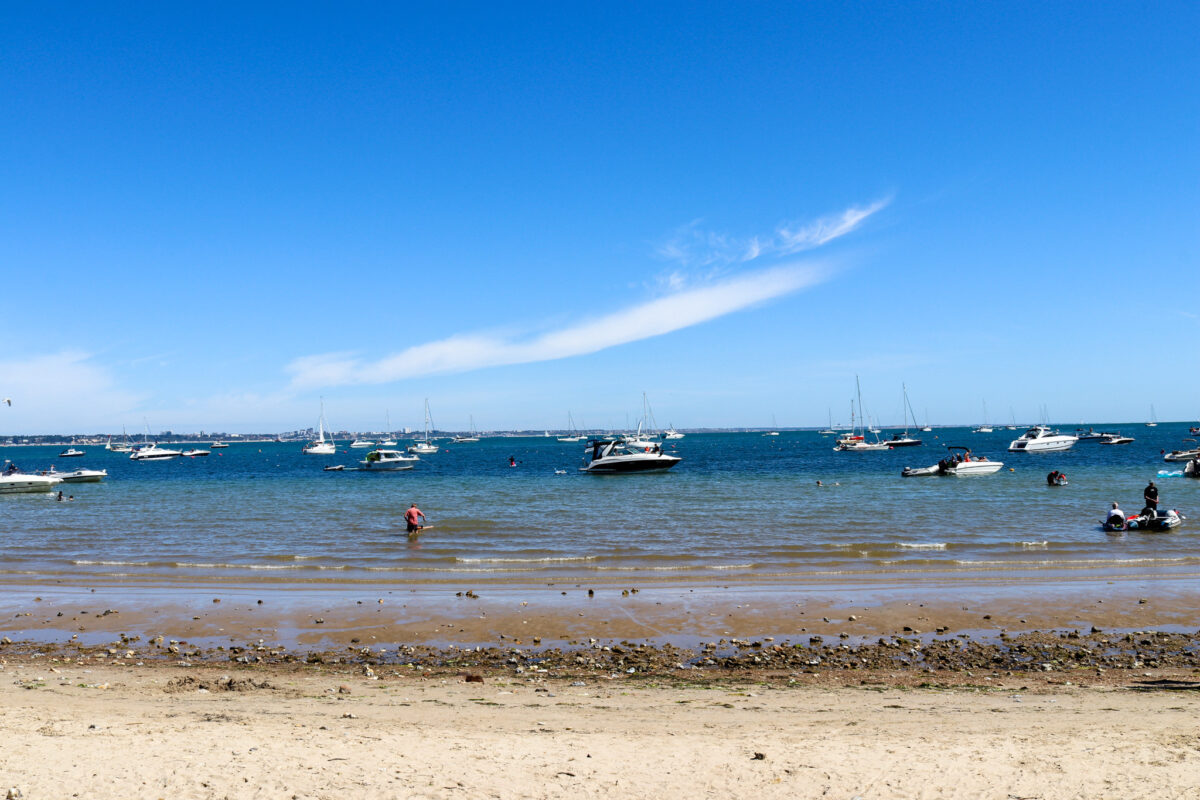
If you love Studland’s beaches but would prefer a more local vibe head to South Beach.
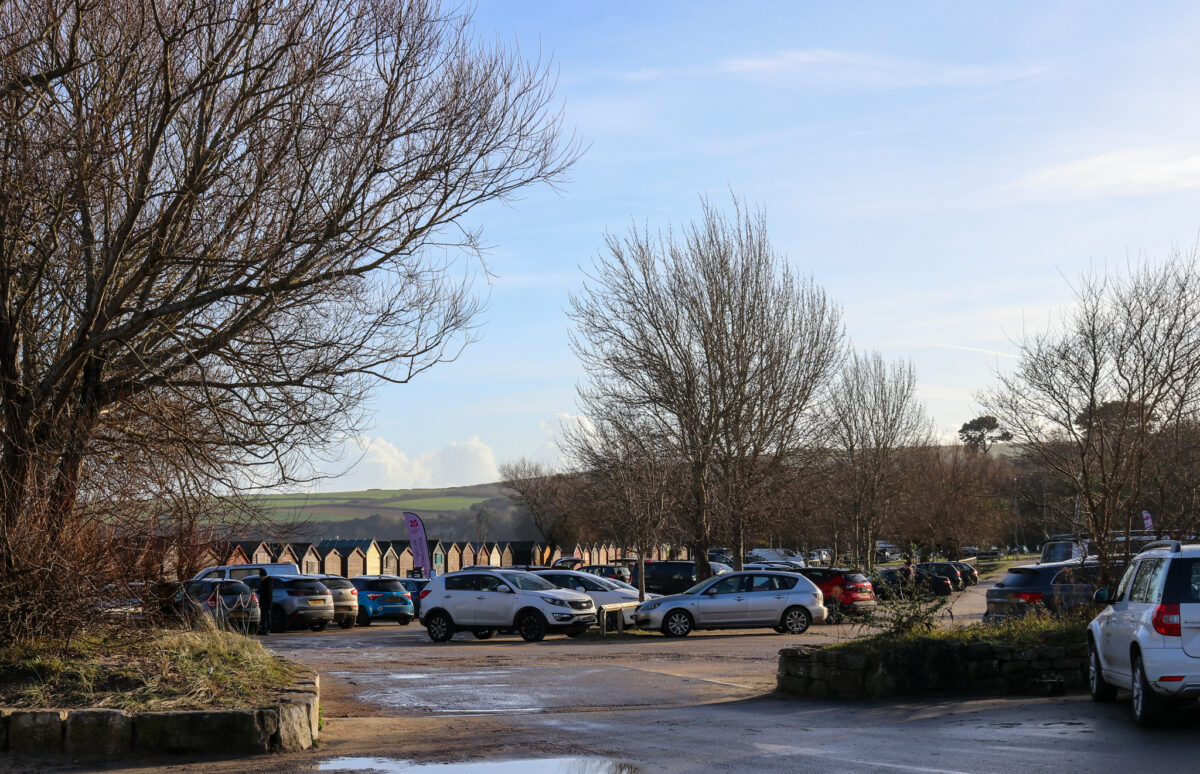
The most famous and popular of Studland Bay’s beaches has a large car park for exploring everything Knoll Beach has to offer.
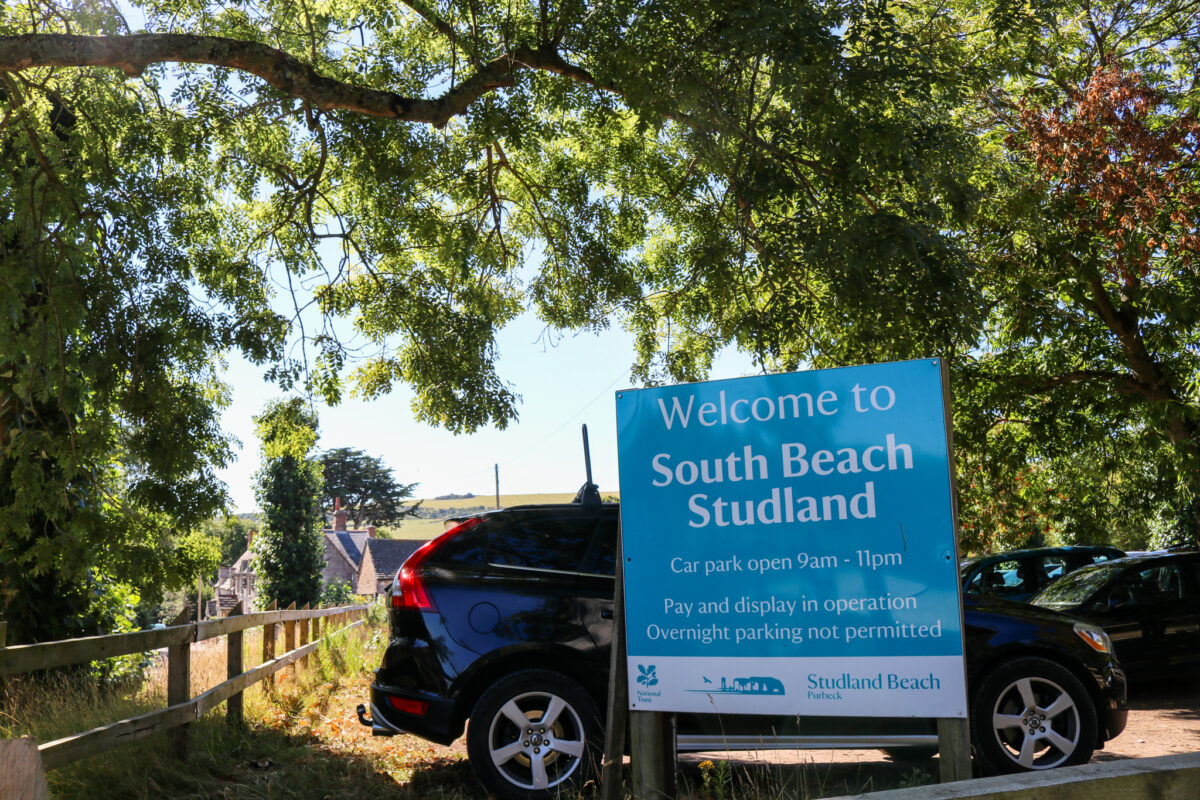
With its safe, shallow water and slightly more rugged feel, South Beach is a natural haven away from the hustle and bustle of daily life.
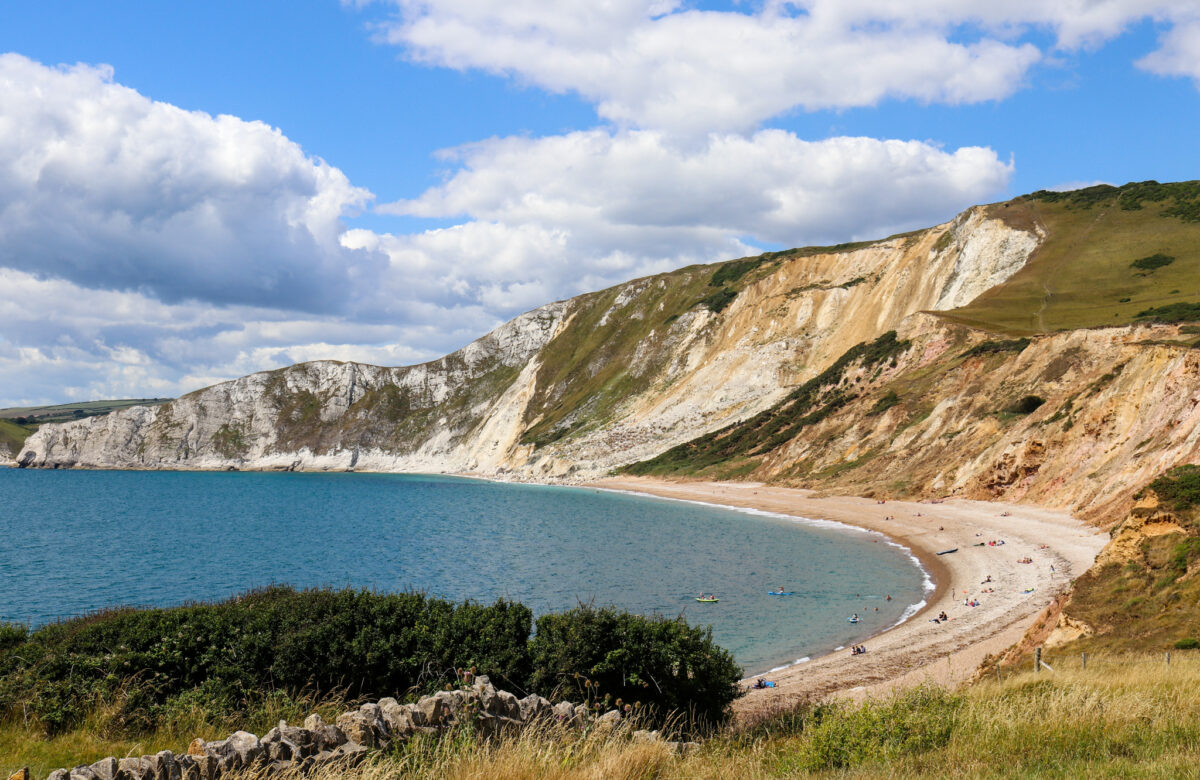
Sometimes referred to as Tyneham Beach, this stretch of sand and pebble is most commonly known as Worbarrow Bay.
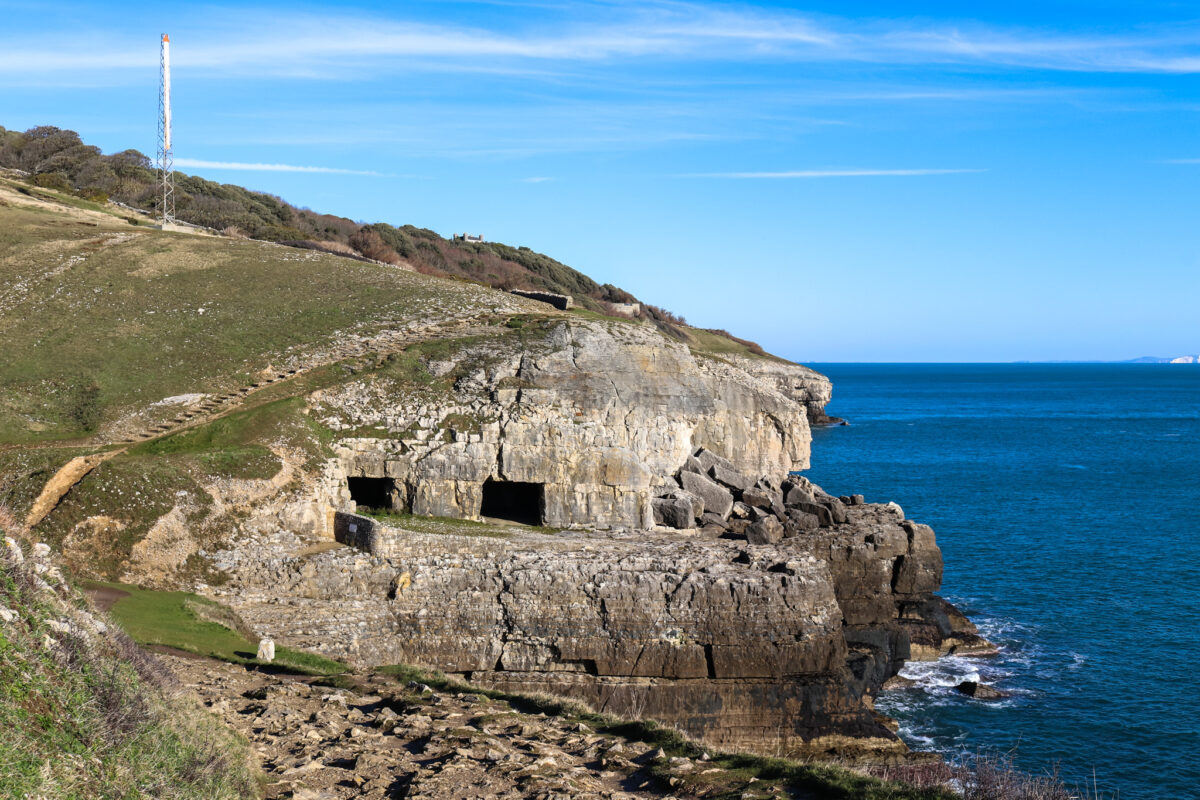
These caves are what is left over after the area was used to quarry Purbeck stone in the 1800s.
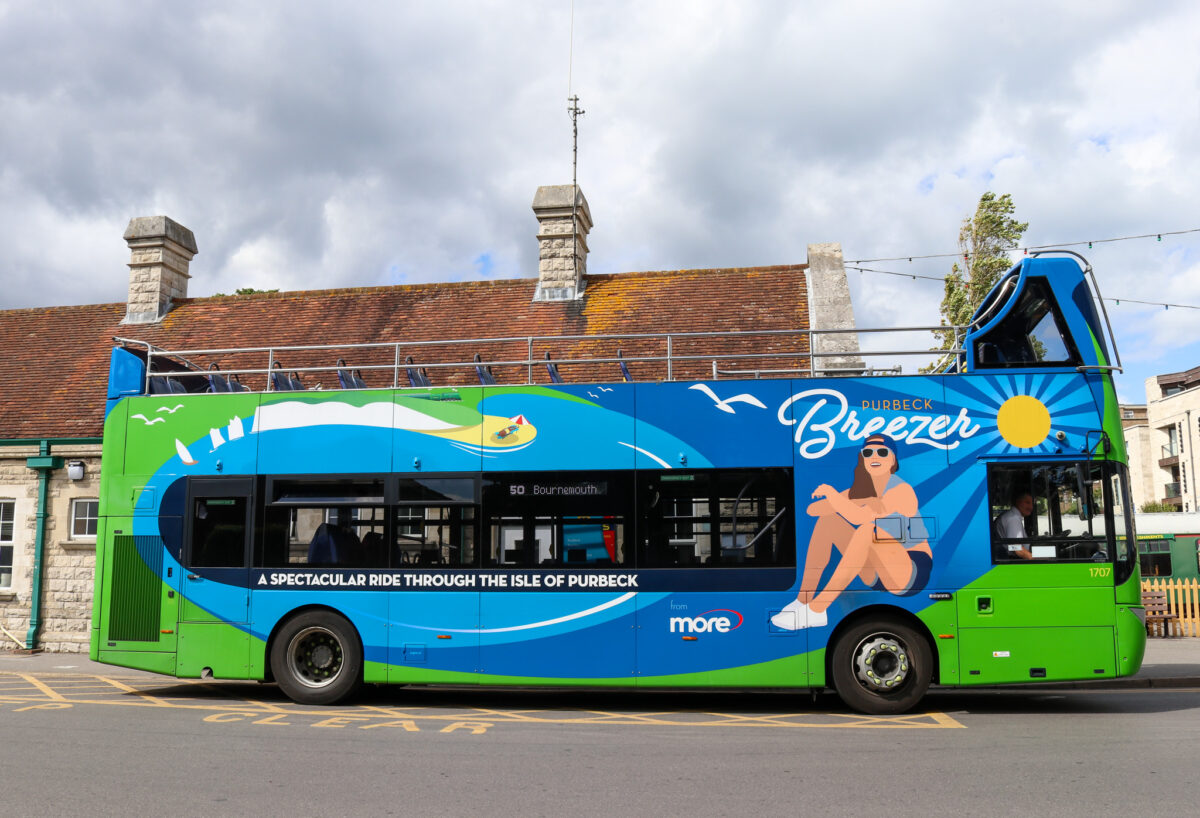
There are two main Purbeck Breezer bus routes serving Swanage – from Poole and from Bournemouth.

Whether you’re coming to Swanage for its watersports, coasteering and biking opportunities, or just want to keep up your normal exercise routine, Swanage and the surrounding landscape and coastline of the Isle of Purbeck are guaranteed to keep you active and out in the fresh air whatever the weather.
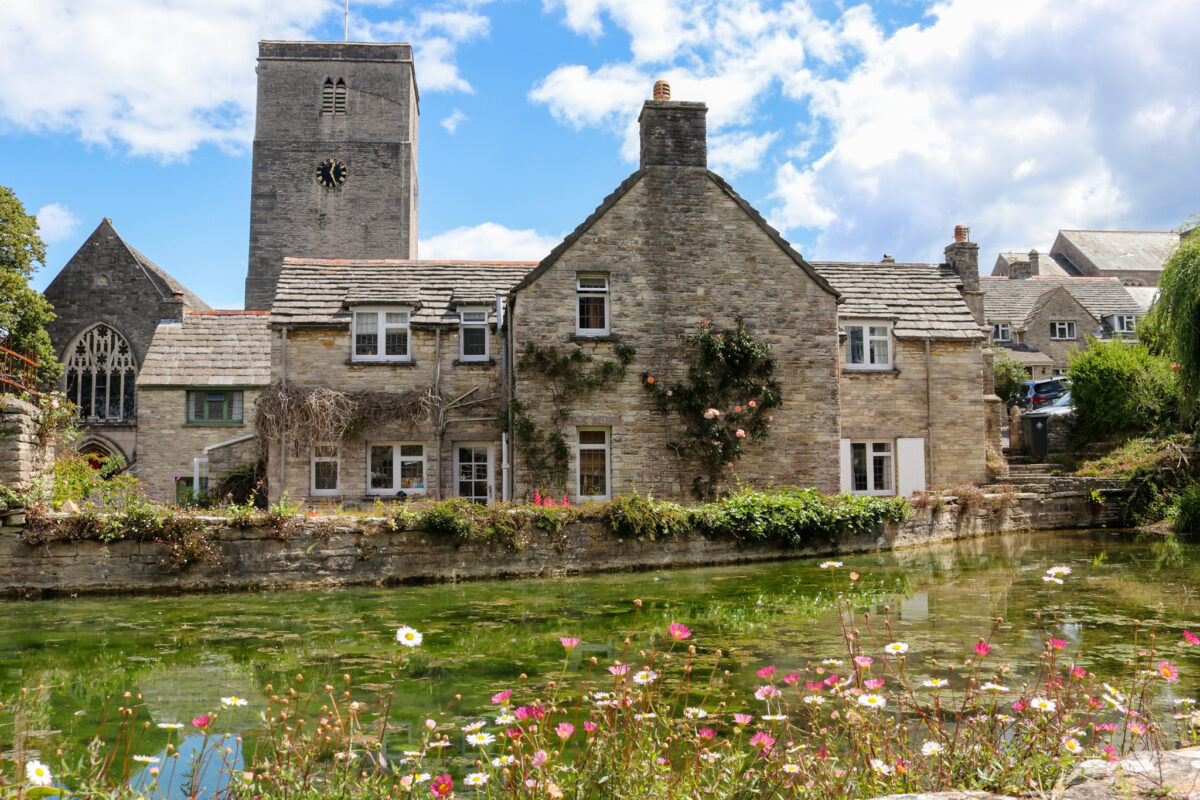
Exploring the backstreets of Swanage reveals a surprise at every turn, with many architectural and historical features to discover.
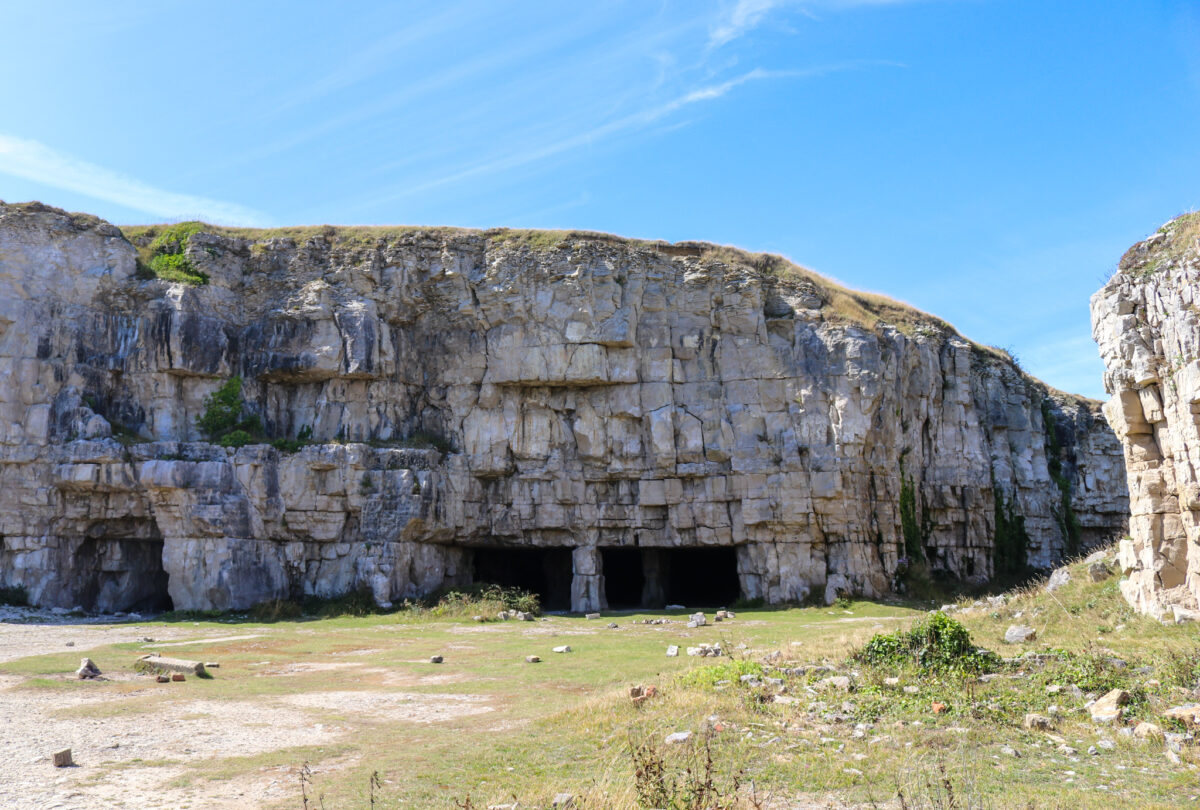
The area around the disused quarry at Winspit is a fantastic place to explore, with its craggy rocks and wide, expansive sea views.
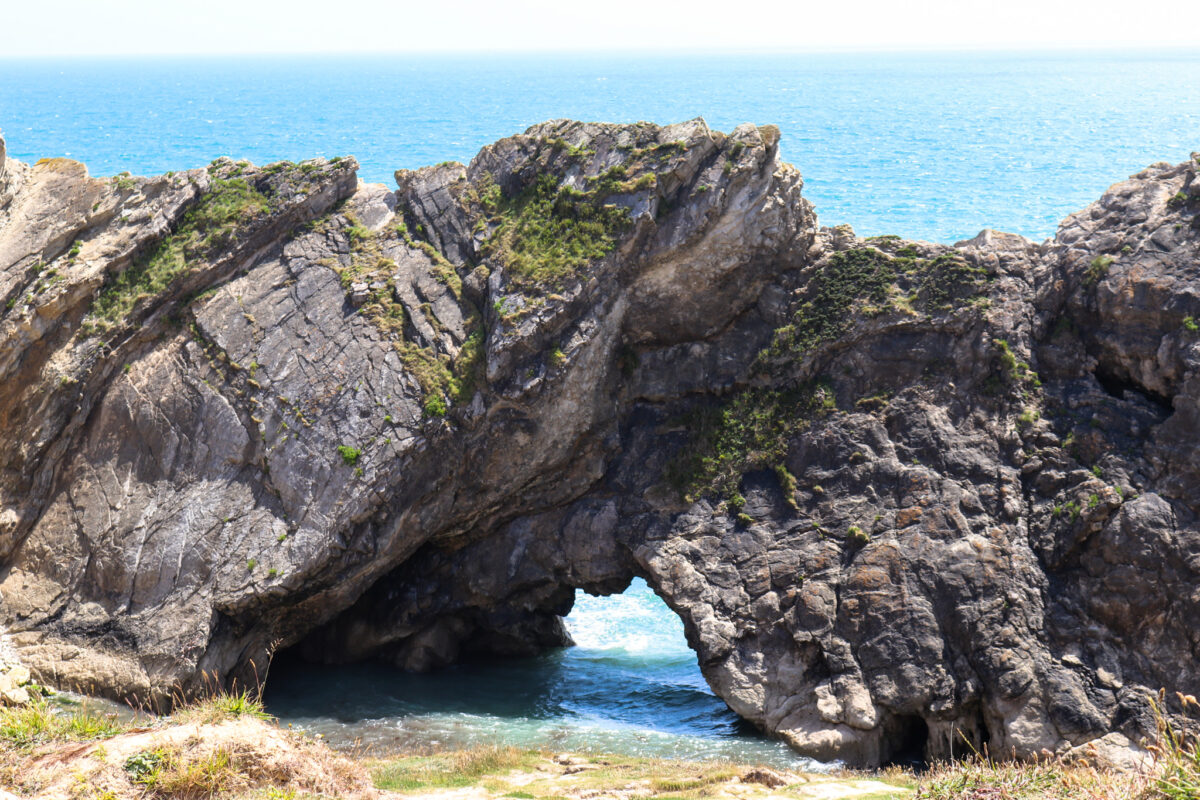
This intriguing landform and small cove can be easily missed on your trip to Lulworth Cove, but making your way up the short path to see Stair Hole is well worth it.

Dorset is a dog-loving county and welcomes four-legged visitors to most beaches, cafés, pubs and restaurants.
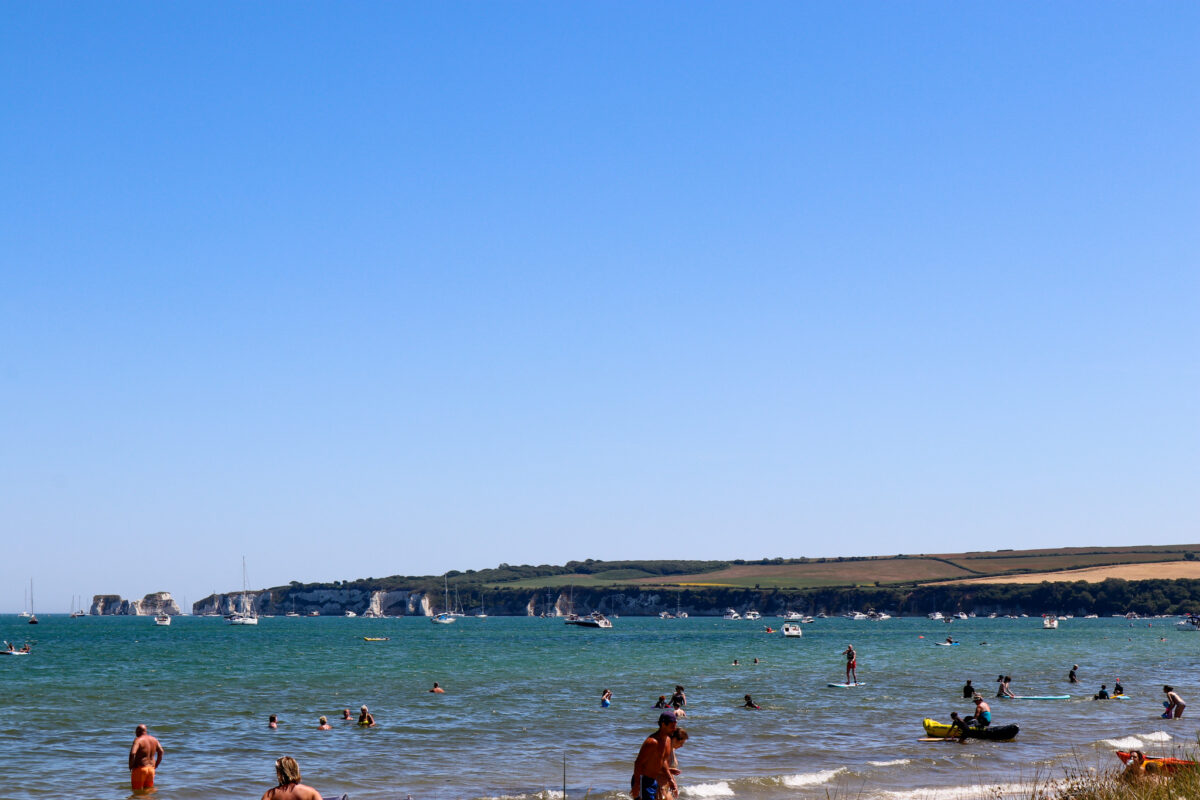
Knoll Beach is the largest and most well-known beach at Studland Bay.
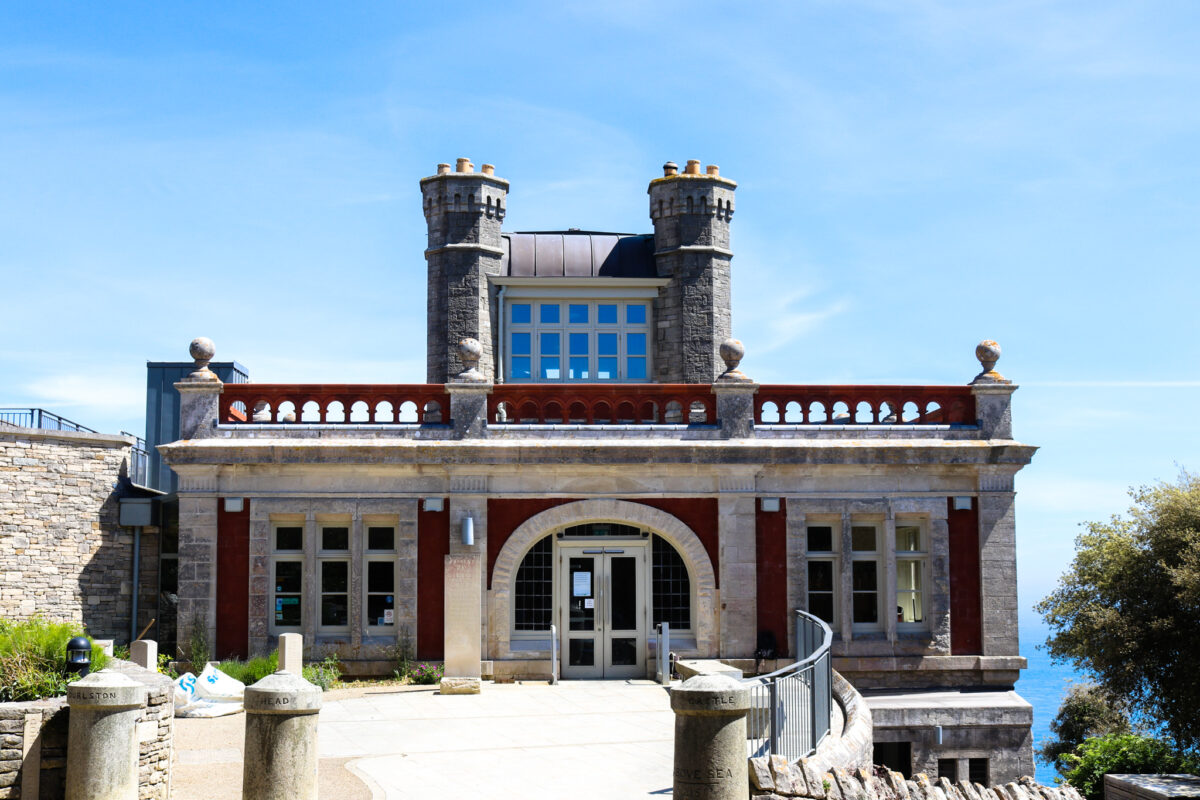
In the grounds of Durlston Country Park sits a beautiful, restored Victorian faux castle that stands looking out over the sea, set in acres of unique parkland.
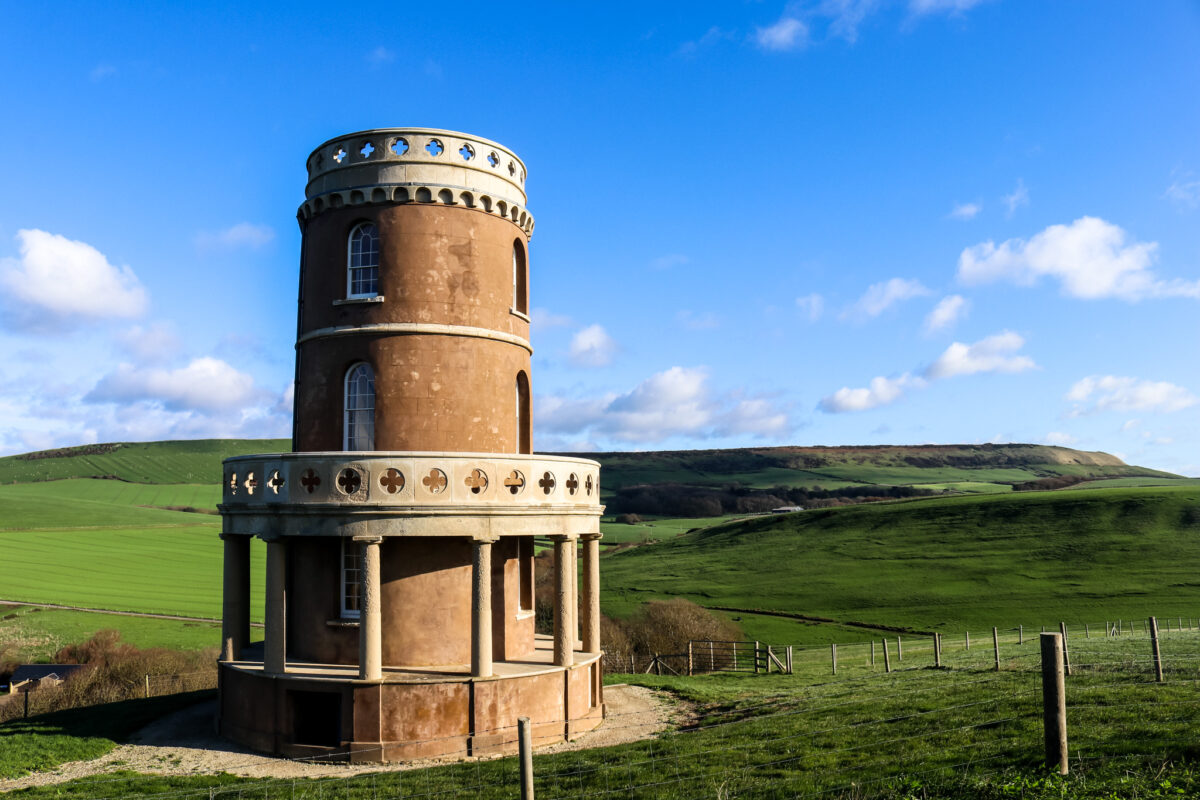
This circular, Grade II, Tuscan-style tower overlooking Kimmeridge Bay is one of the most dramatic locations to be found on the Jurassic Coast.

Swanage and Purbeck fall under the unitary authority of Dorset Council, which covers the areas previously covered by Dorset County Council, with the exception of Christchurch, which is now part of BCP Council (Bournemouth Poole and Christchurch Council).
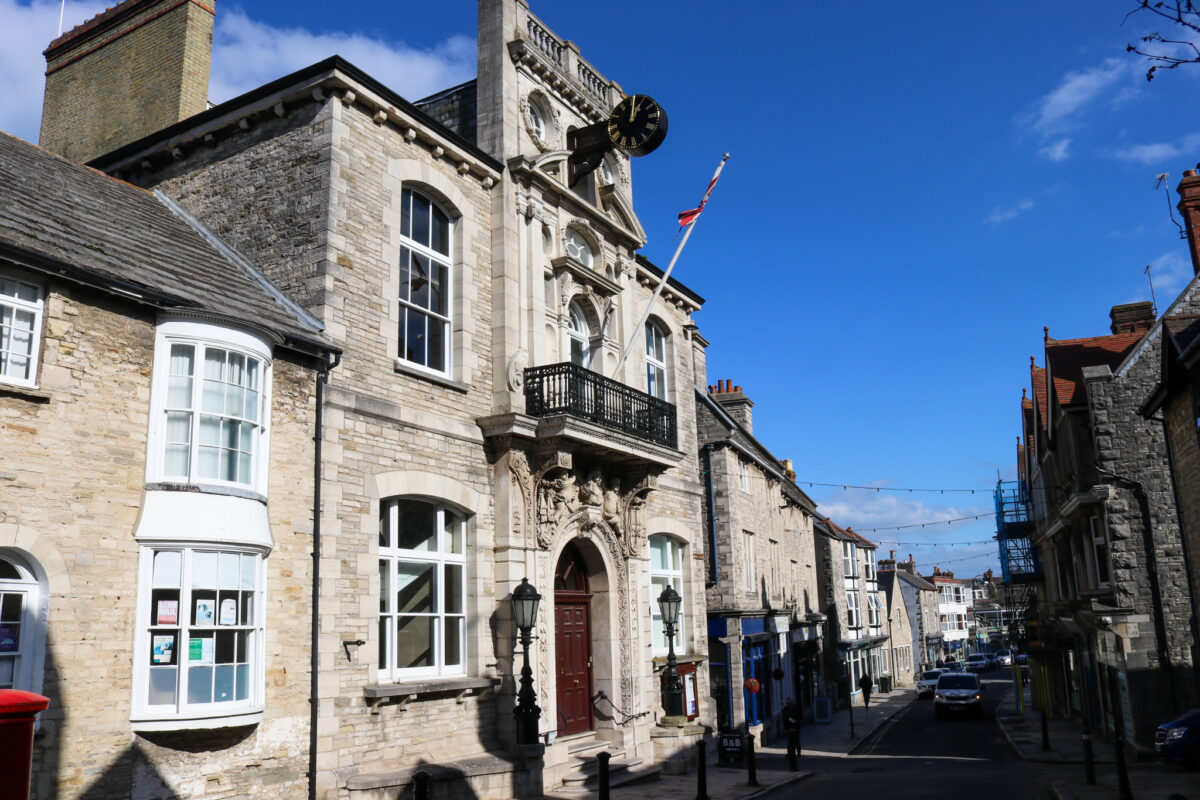
A variety of councils exist in the Swanage and Purbeck area, each with their own services, responsibilities and areas covered.
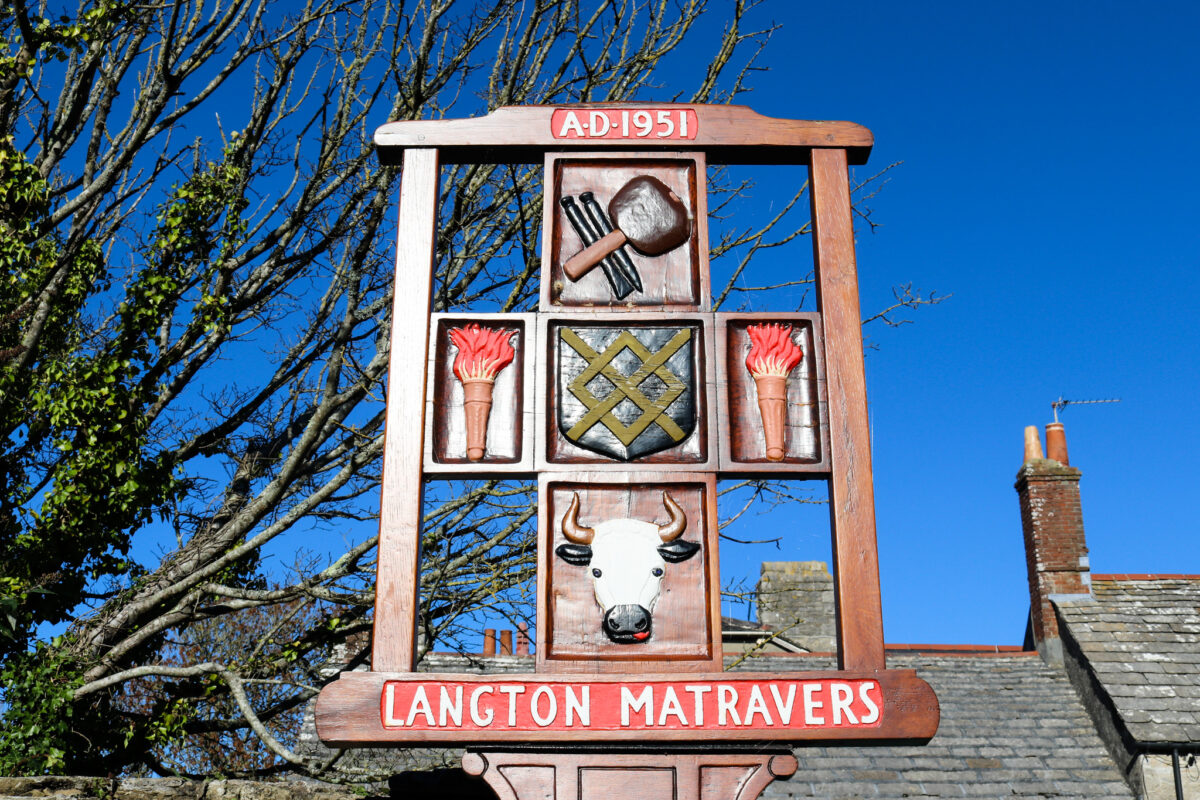
Langton Matravers lies just two miles outside Swanage and has several excellent walking trails, as well as a village pub-and-shop and a small children’s petting farm.
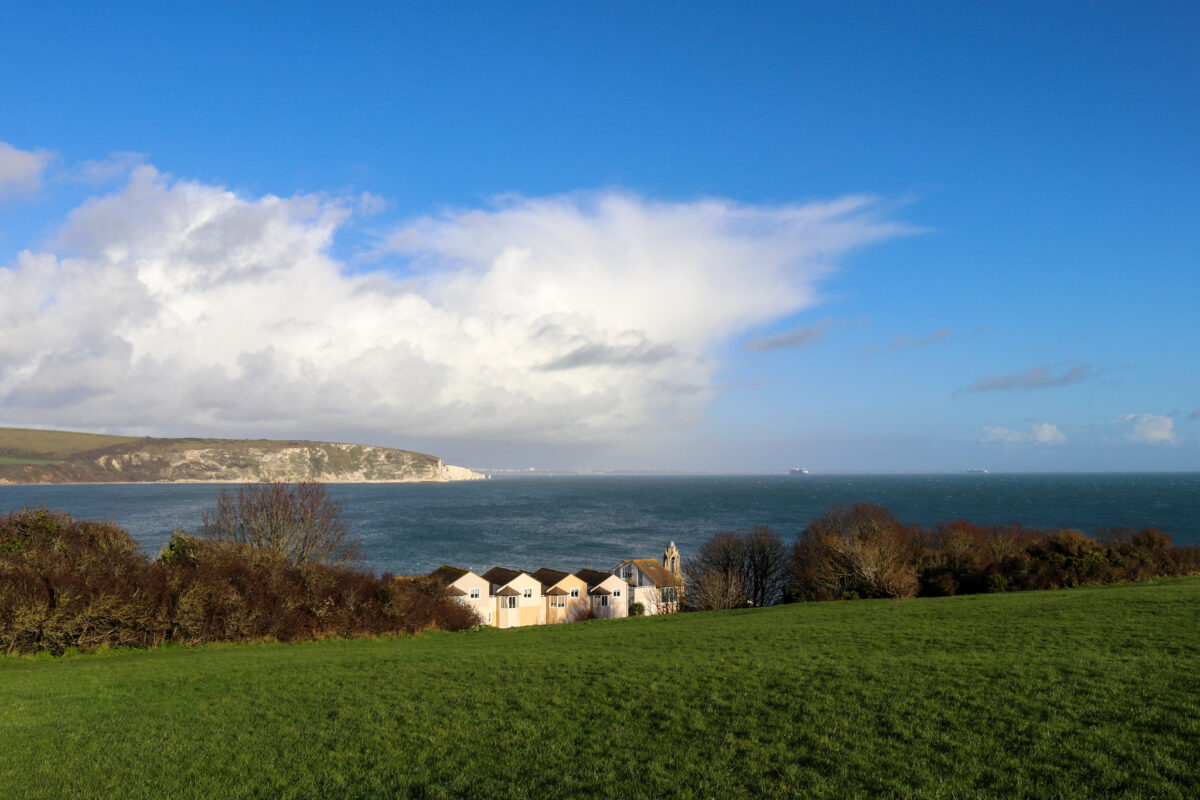
The open, clifftop grasslands of The Downs are just a stone’s throw from Swanage town and give some of the best views across Swanage Bay.
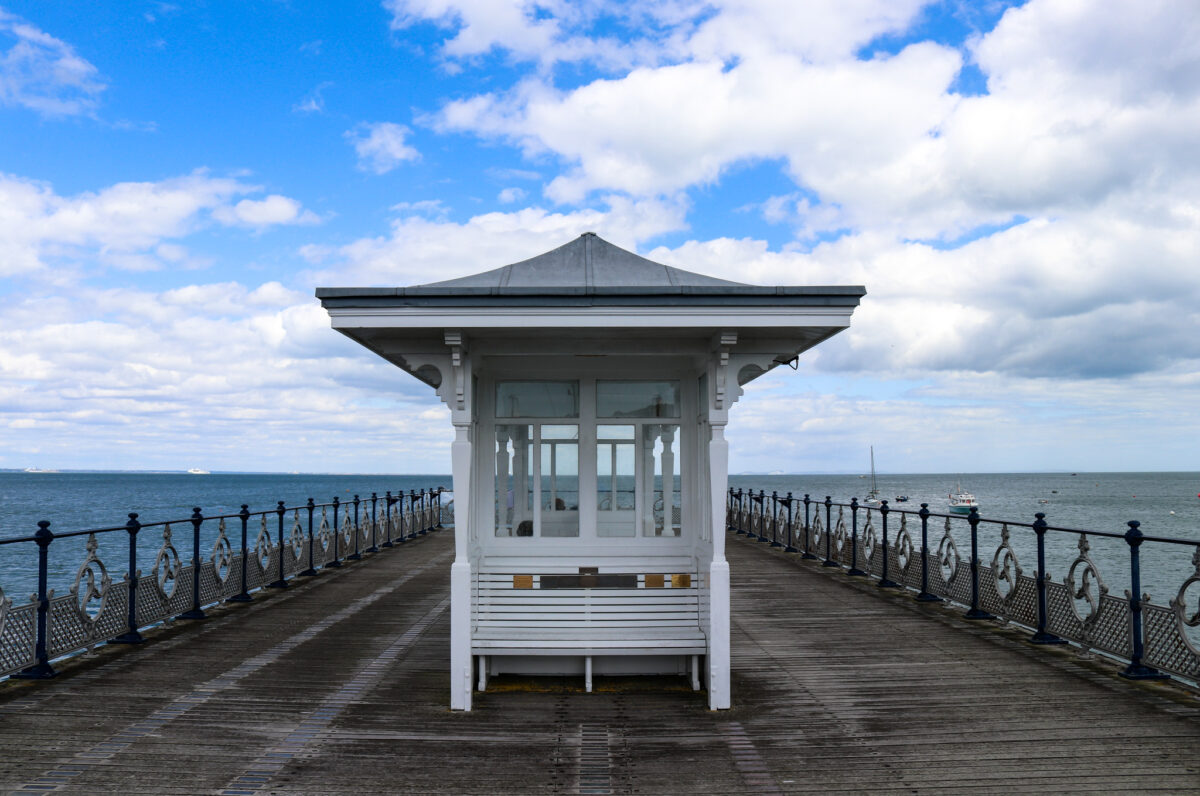
The fully-restored Grade II-listed Victorian pier in Swanage is a must-visit attraction for a sense of the town’s history, as well as giving you a unique perspective of Swanage Bay.
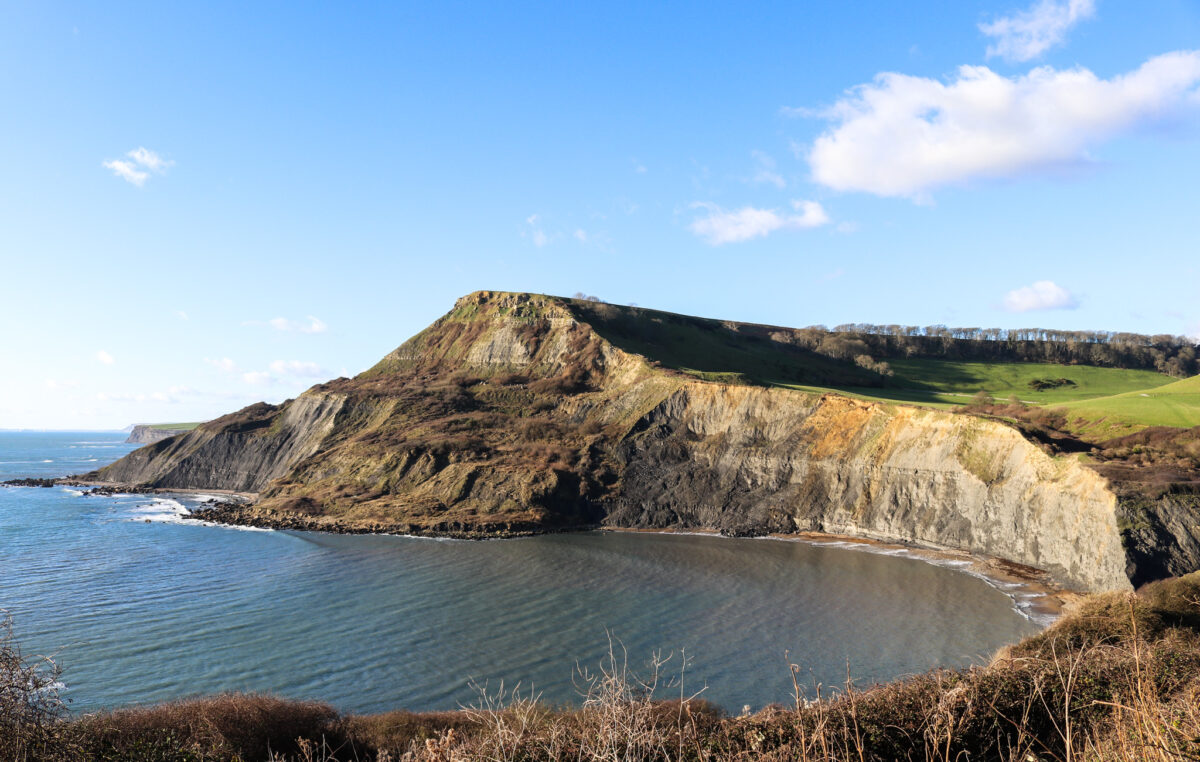
If your idea of a dream day at the beach involves a wild and secluded bay where you can wile away the hours watching the odd passing boat and reading a good book, Chapman’s Pool is hard to beat.
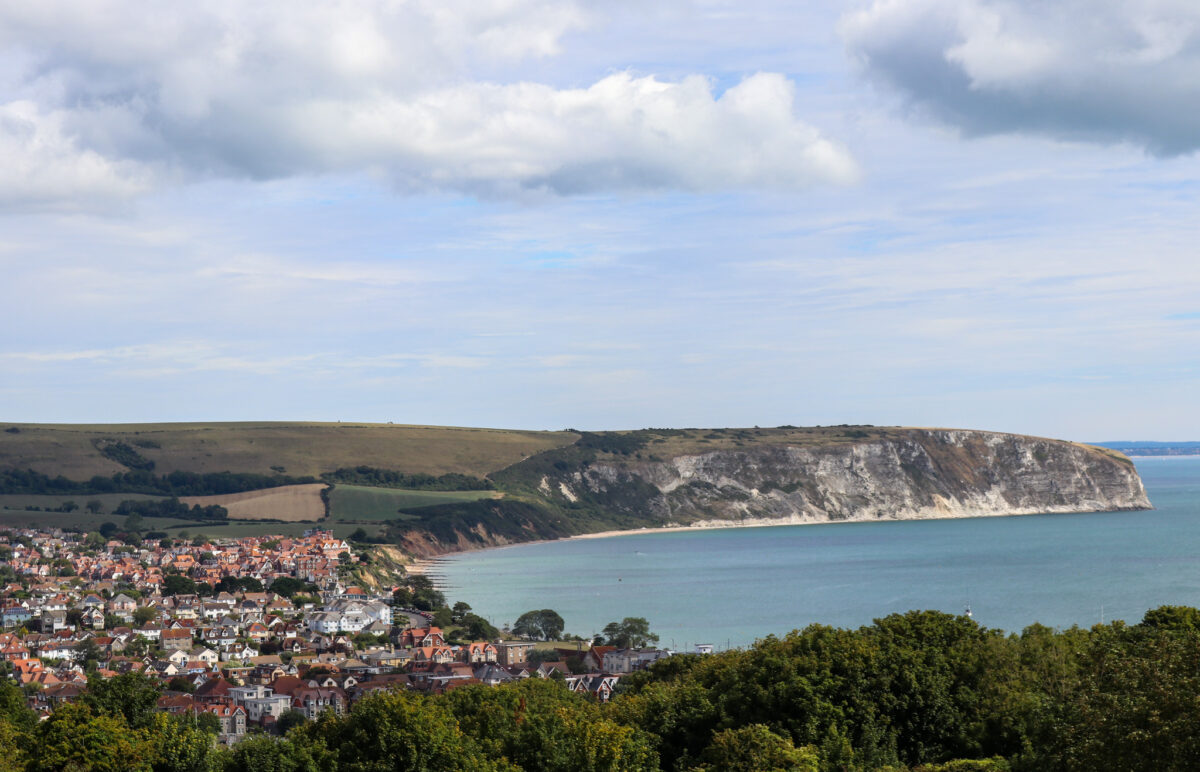
Swanage is probably most well-known for its superb, sweeping sandy bay, which has been drawing visitors for generations.
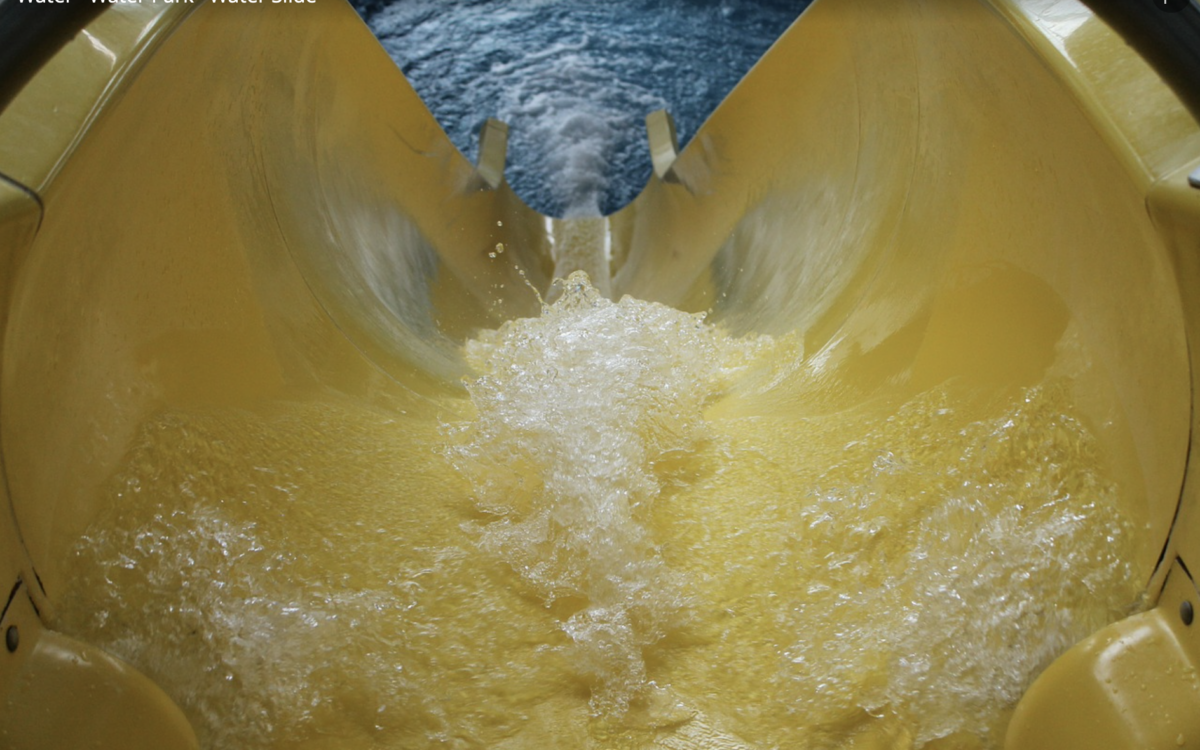
Splashdown in Poole’s Tower Park leisure complex is a short drive from Swanage and Purbeck for an alternative activity for a rainy day or some familiar family entertainment.
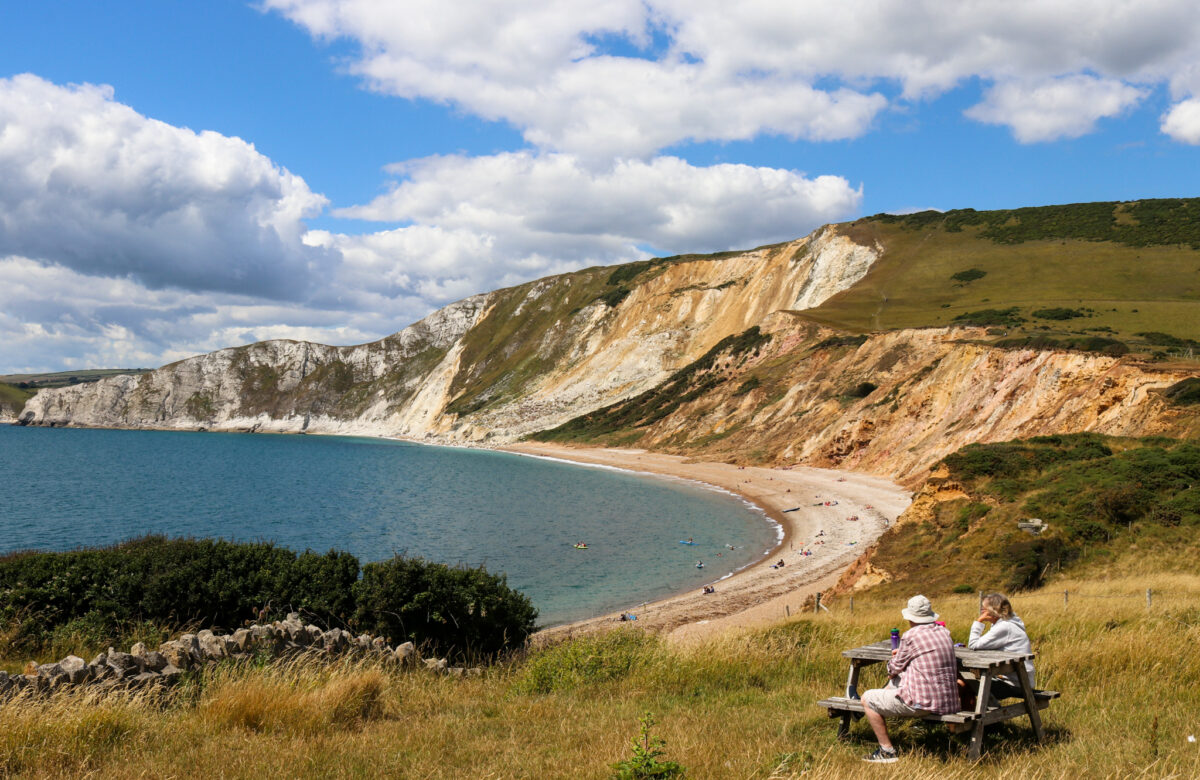
You might discover this expanse of shingle and sand beach by chance on a visit to the abandoned village of Tyneham.
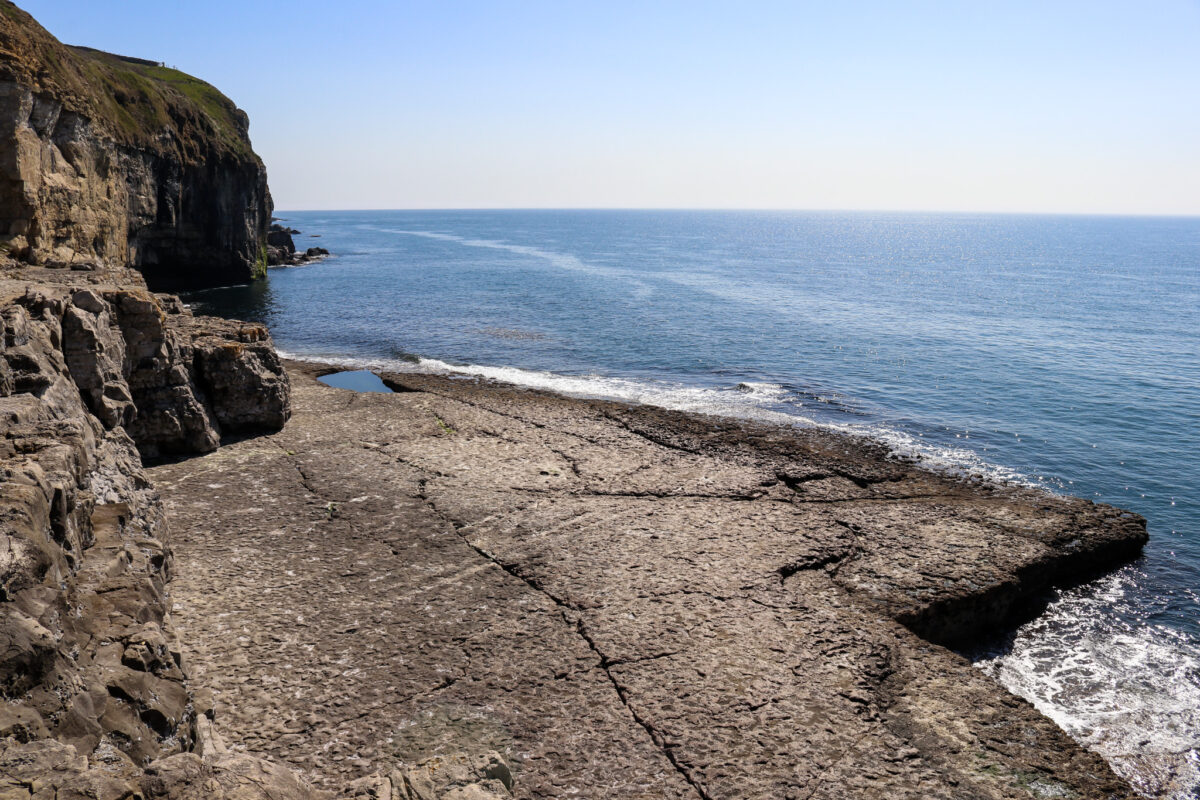
One of Purbeck’s most famous landmarks sits just under the cliffs near the villages of Langton Matravers and Worth Matravers.
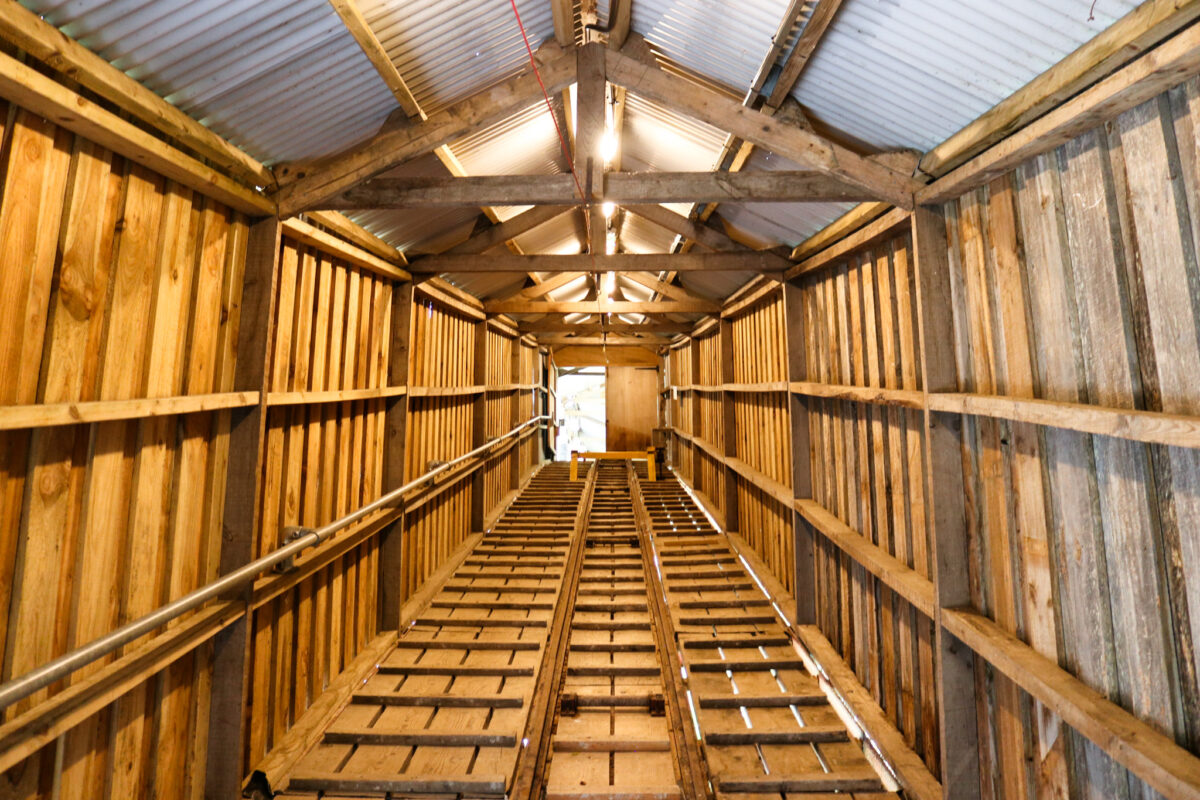
A hidden historical gem in the heart of Purbeck, this is a truly local museum. Telling the story of the area’s ball clay industry, it’s a fascinating way to tunnel into the Isle of Purbeck’s past and learn how industrious clay miners were here, right back to the 17th Century.
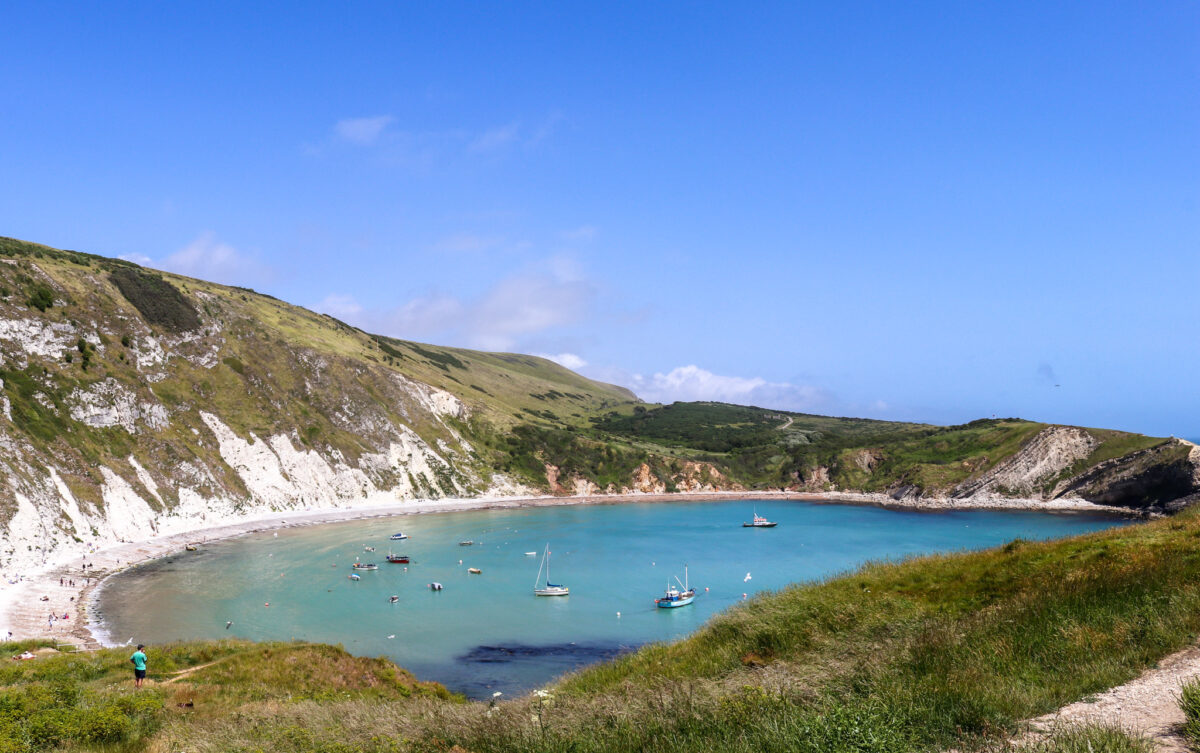
The area of Lulworth in Dorset comprises two picture-postcard villages, a 17th Century castle set in acres of grounds, and several of Britain’s most-loved natural landforms, including the stunning horseshoe-shaped Lulworth Cove and the iconic limestone arch of Durdle Door.
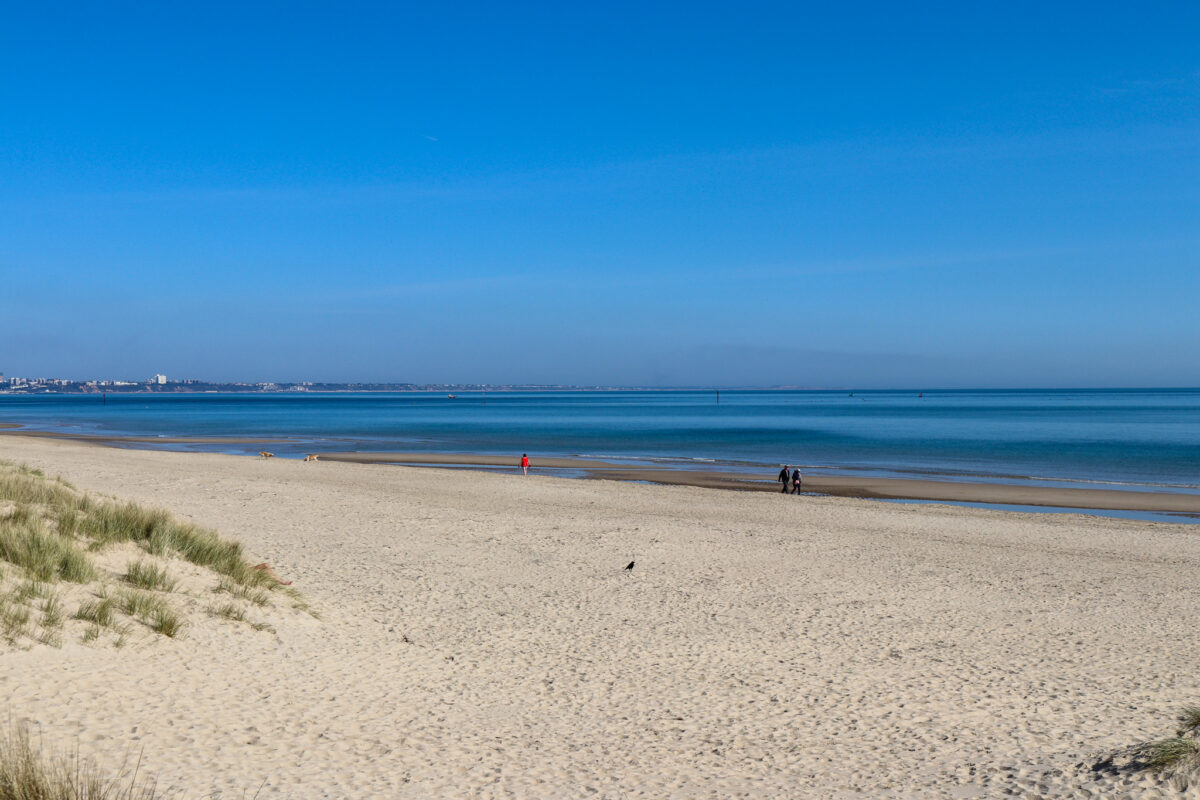
Around 1km of Studland Bay has been set aside for naturism. It’s one of the UK’s most well-known official naturist spots.
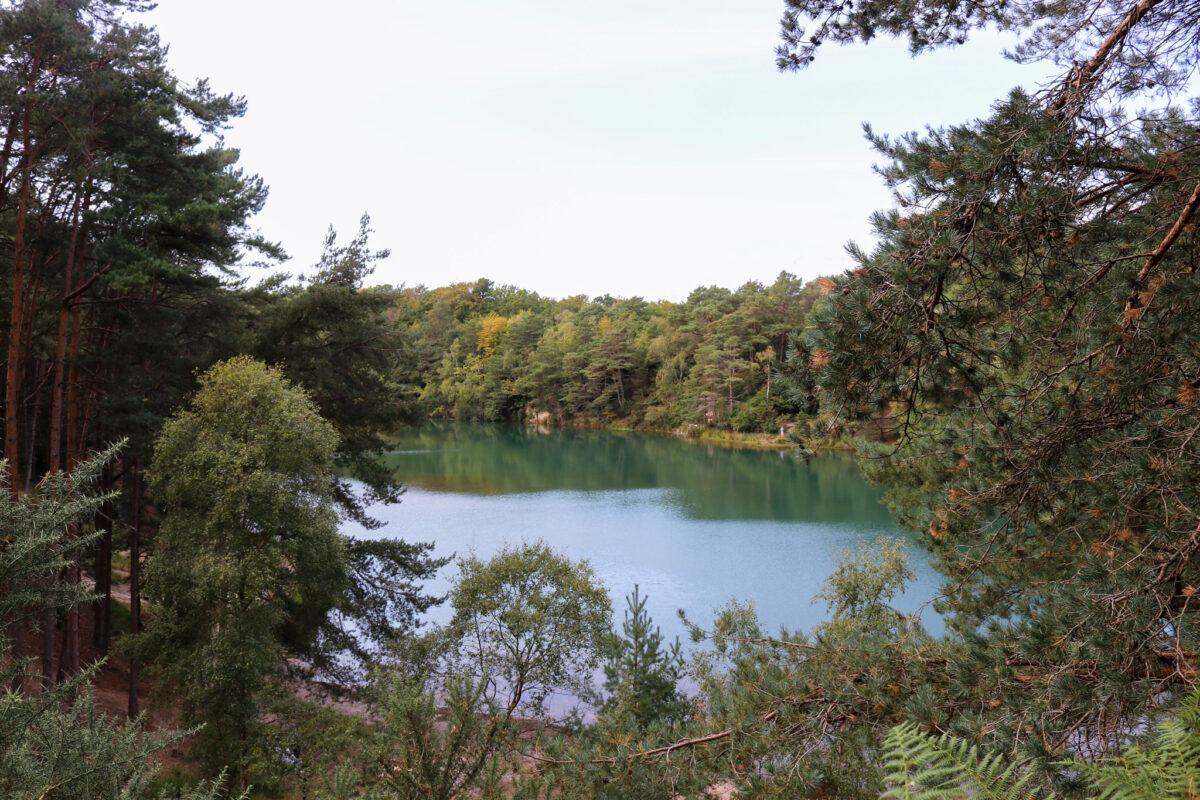
Set in 25 acres of woodland between Wareham and Corfe Castle, the Blue Pool derives its name from the striking turquoise colour the water this disused clay pit can appear.
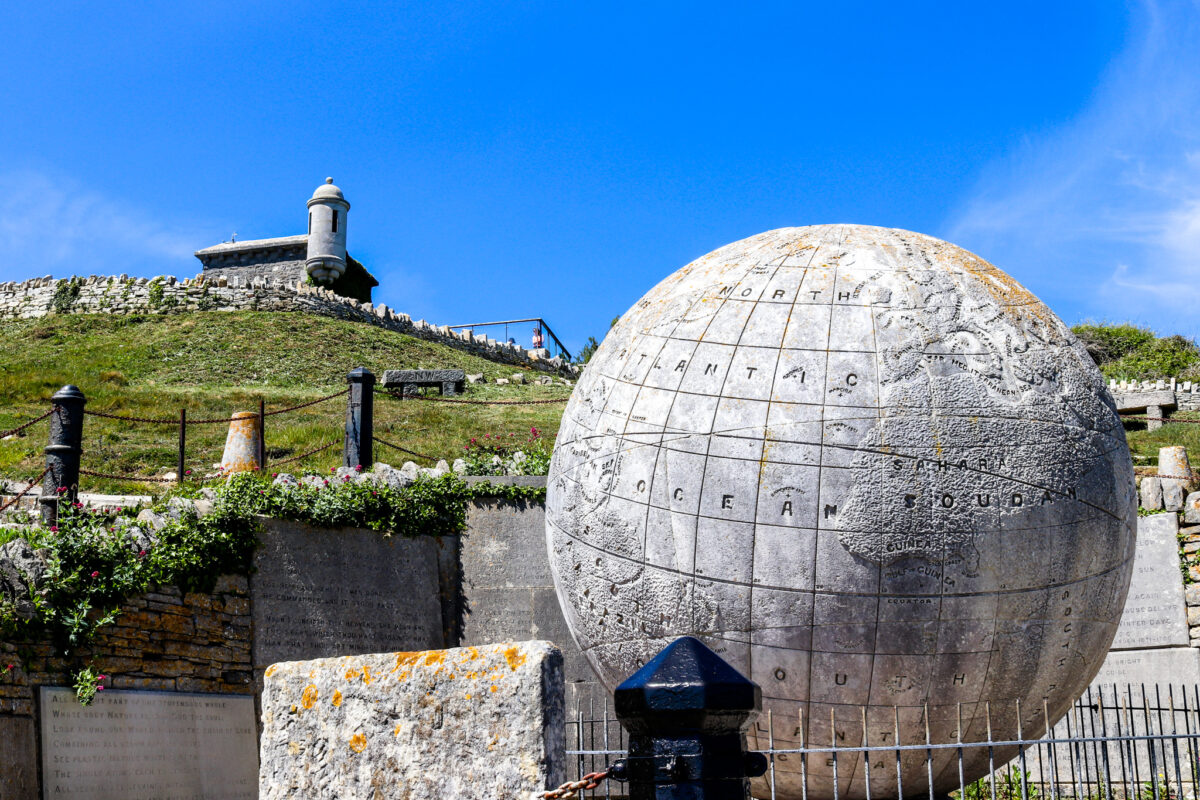
Meander through hay meadows, explore quiet woodland trails and be wowed by stunning sea views at Durlston – just a stone’s throw from Swanage town.
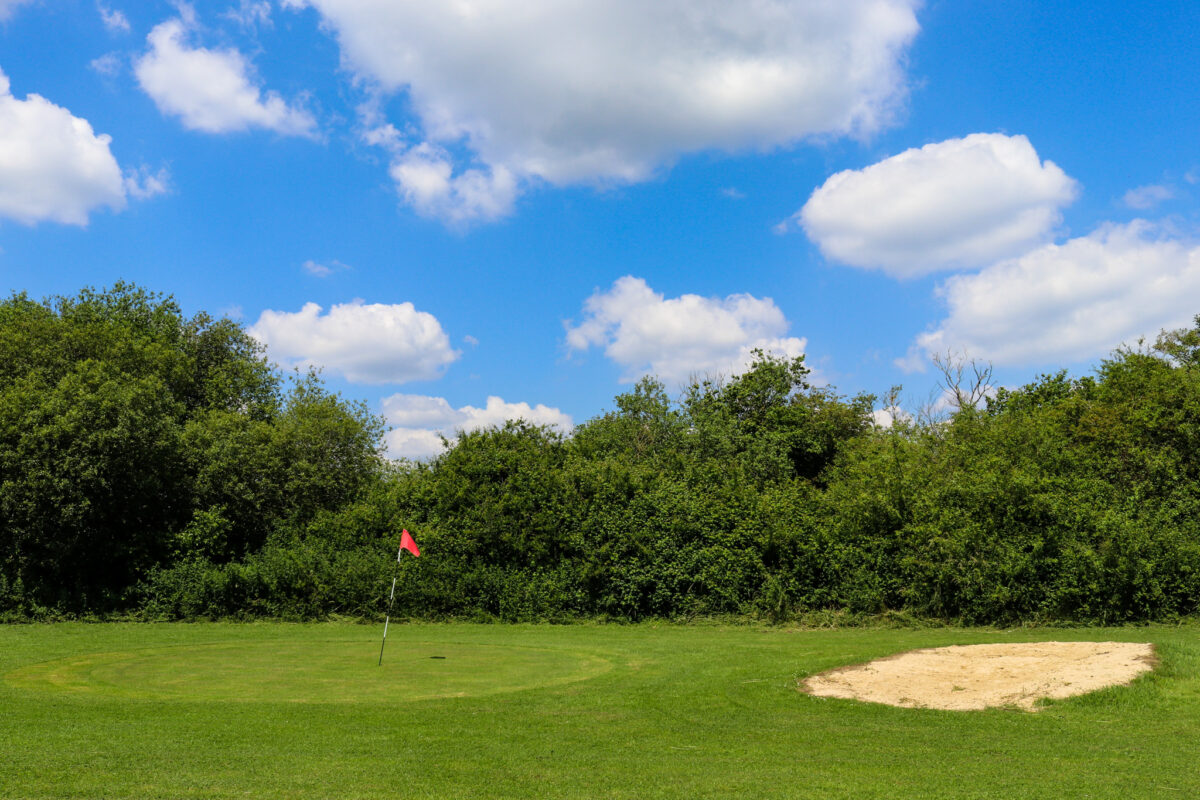
Challenge your friends and family to a round of pitch and putt at Swanage Golf Games.
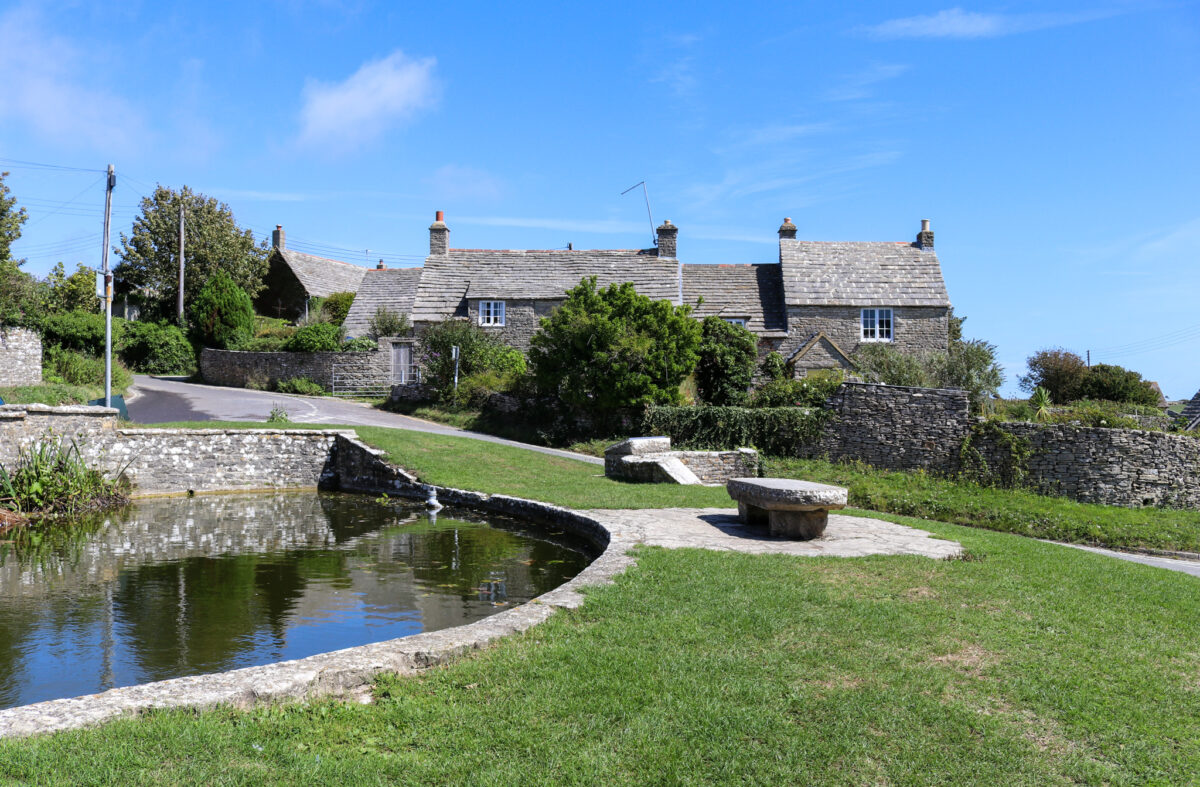
The drive up to Worth Matravers from either direction (Swanage or Kingston), has some of the most far-reaching and impressive views of the Purbeck Hills and across to Corfe Castle to be found in Purbeck.
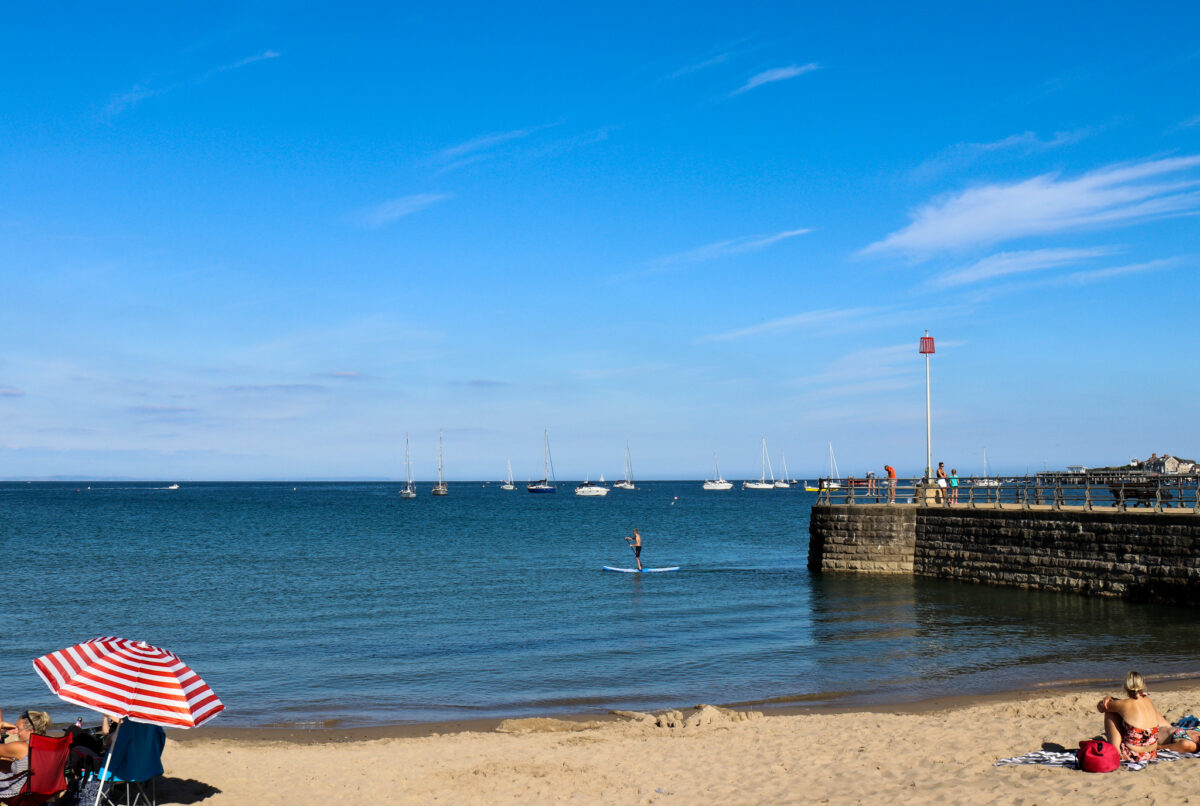
The jewel in Swanage’s crown is its beautiful beach that sweeps around the curve of its sheltered bay.
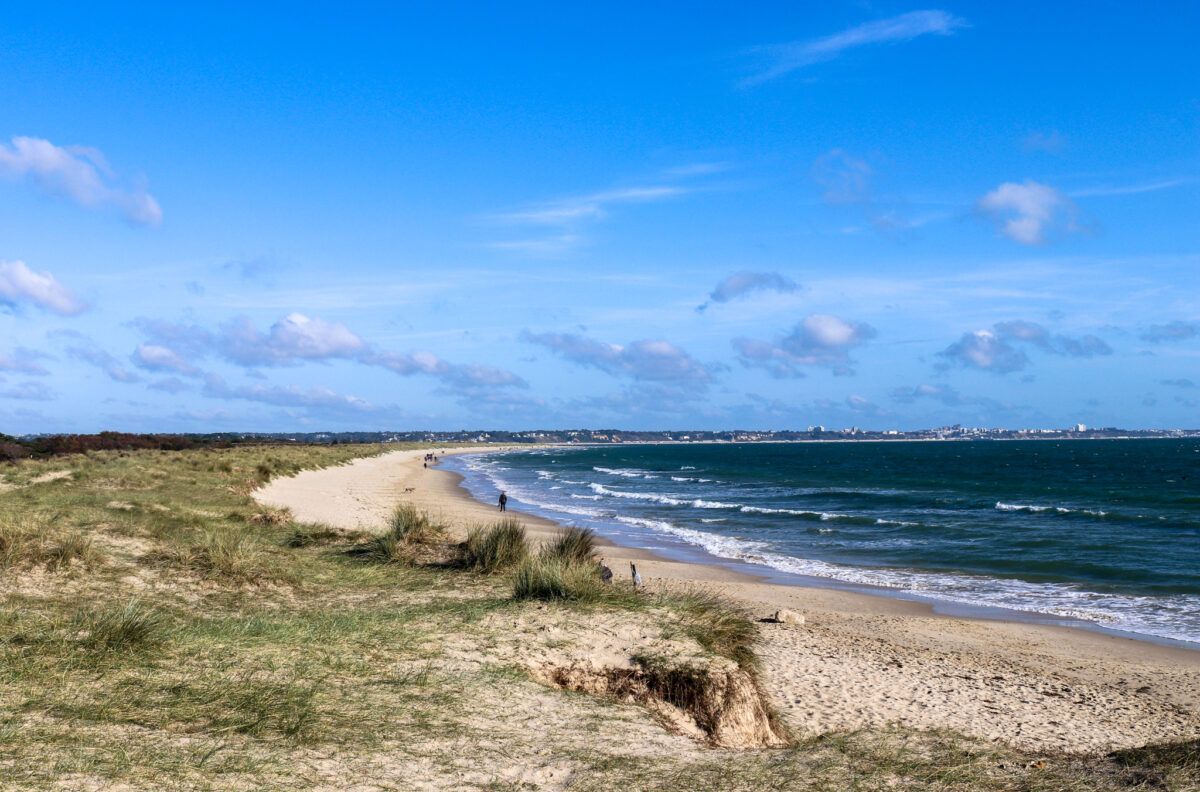
Comprised of four miles of sandy beaches and with acres of heathland and sand dunes to explore, Studland Bay and Nature Reserve has something for everyone.
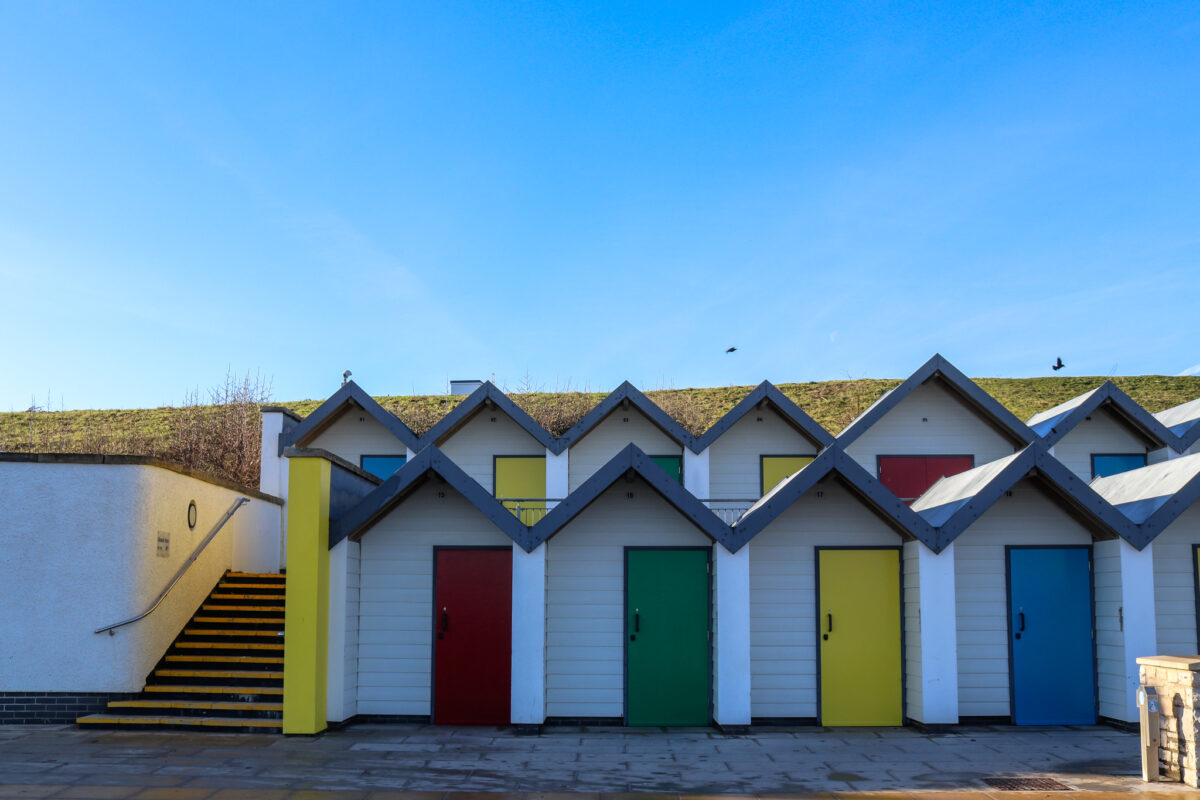
Handy for storing all your seaside essentials and giving you that extra bit of privacy, beach huts in Swanage are available to hire all year round for daily, weekly and seasonal hire periods.
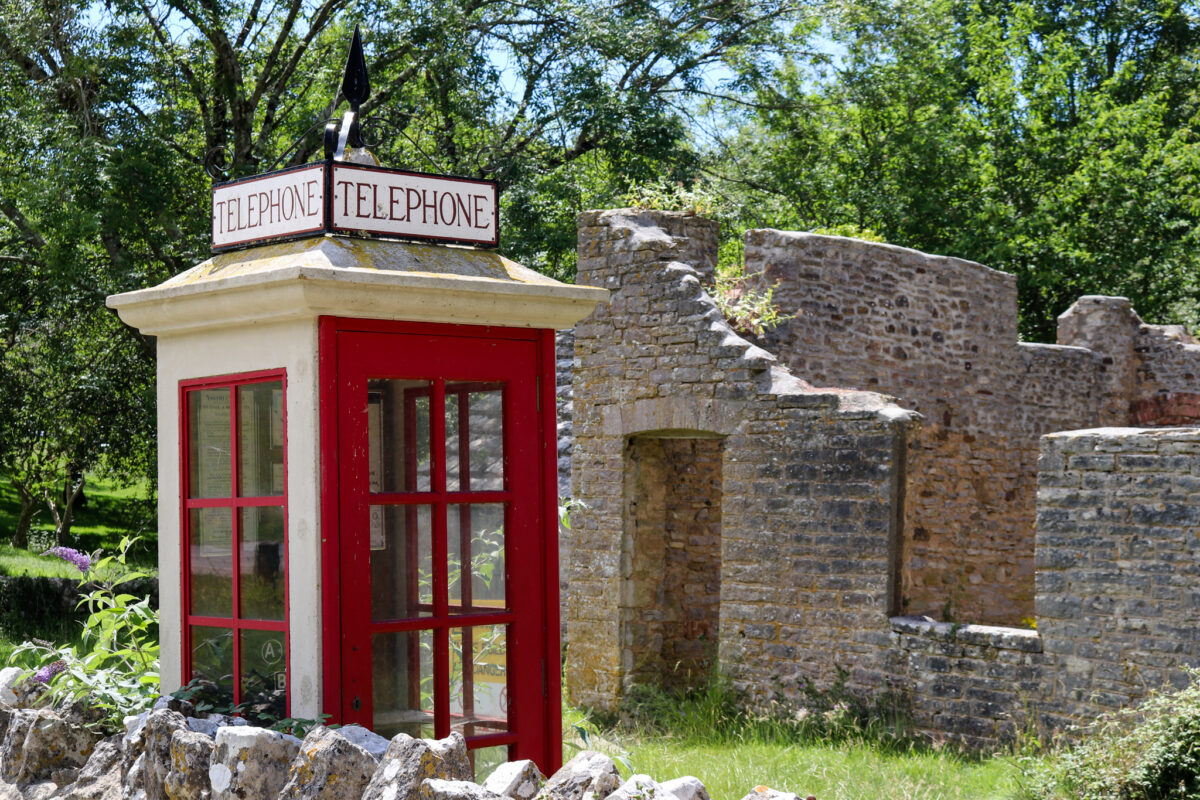
The poignant story behind the ‘ghost village’ of Tyneham, abandoned during World War II, will stay with you long after you have walked around its crumbling homes and forgotten farmland.
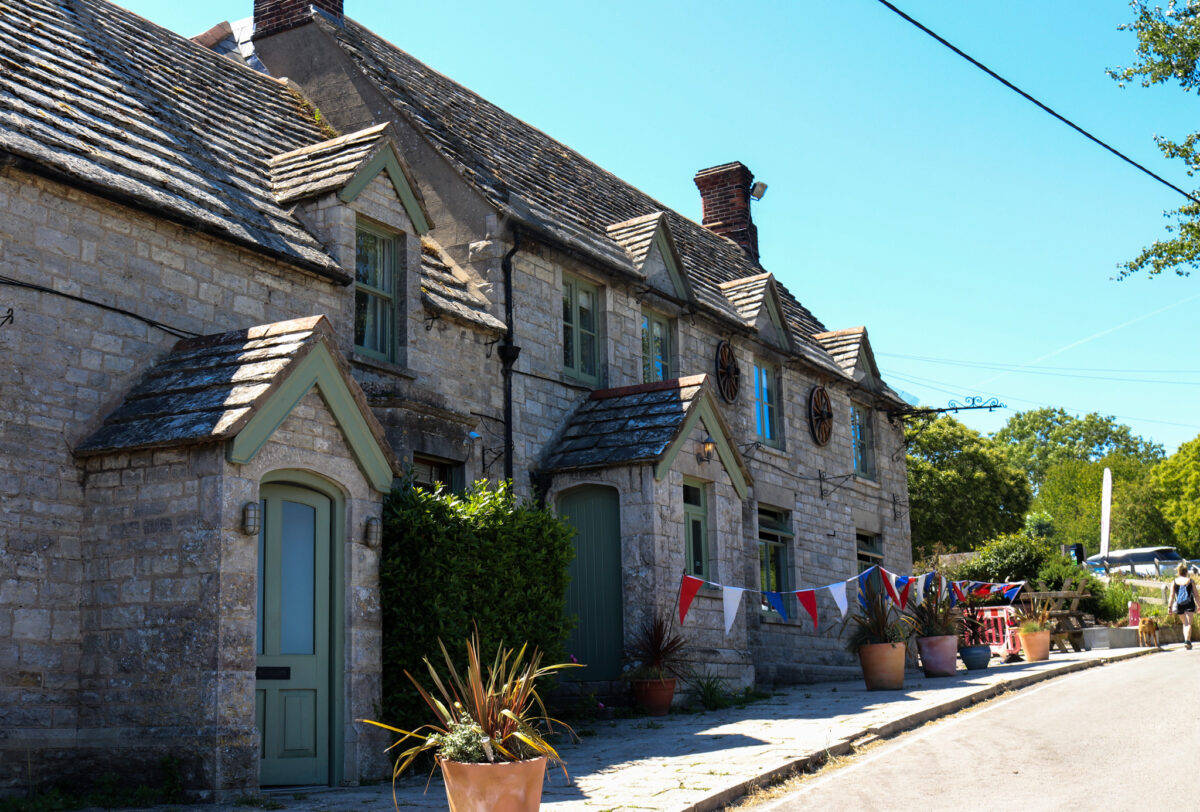
Prepare to get side-tracked on your way to the stunning beaches of Studland Bay as you drive through the charming Studland village.
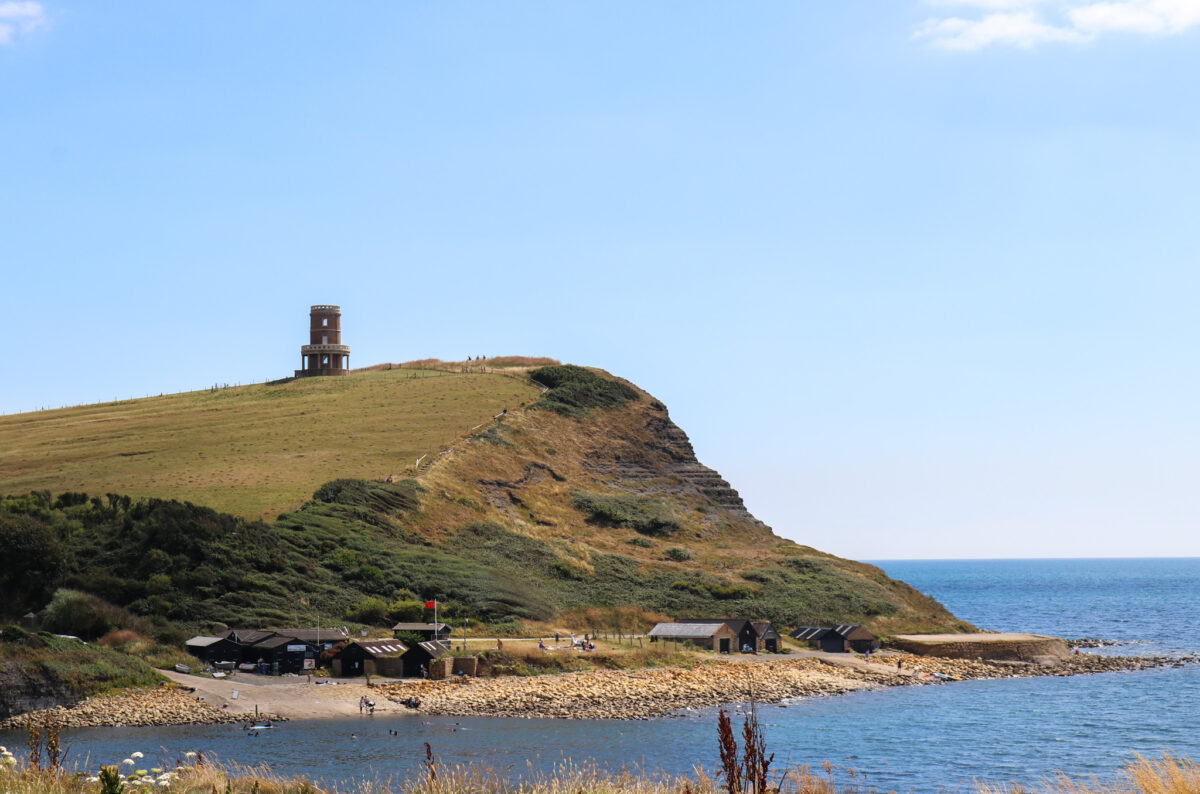
If the Jurassic Coast’s globally-significant geology is what drew you to Dorset, Kimmeridge Bay is the place to visit.
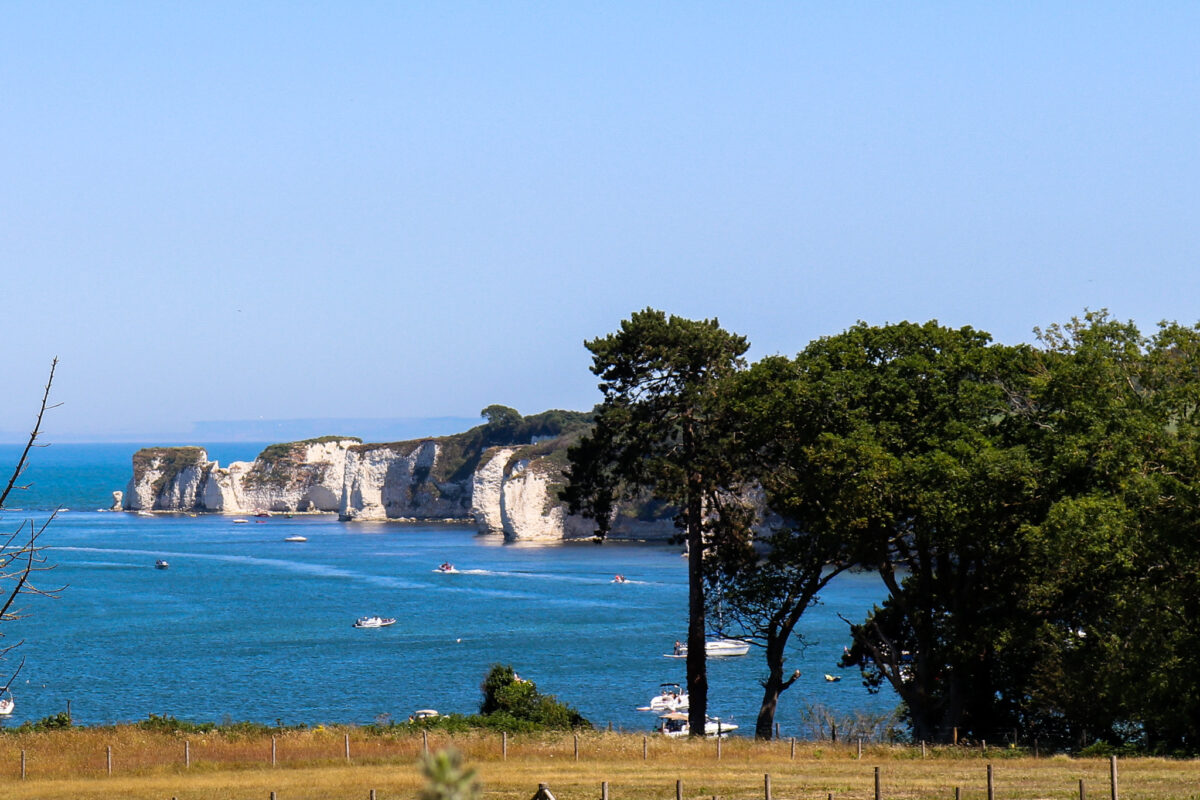
One of the most iconic landforms on the South Coast – Old Harry Rocks – is just a stone’s throw from Swanage and an important feature of Dorset’s Jurassic Coast history.
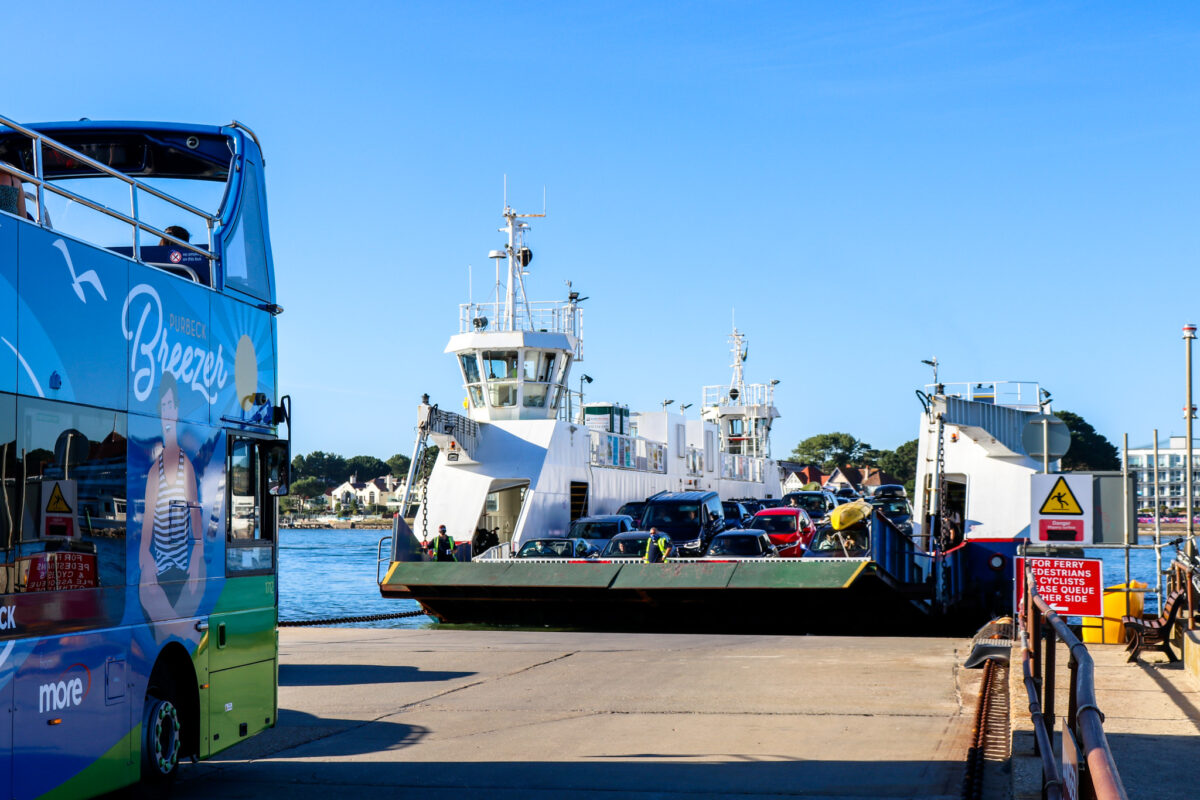
Your holiday starts here if you arrive via the Sandbanks Ferry, with that holiday feeling kicking in once your car rolls onto the chain ferry and you step out to admire the stunning views as you cross Poole Harbour.
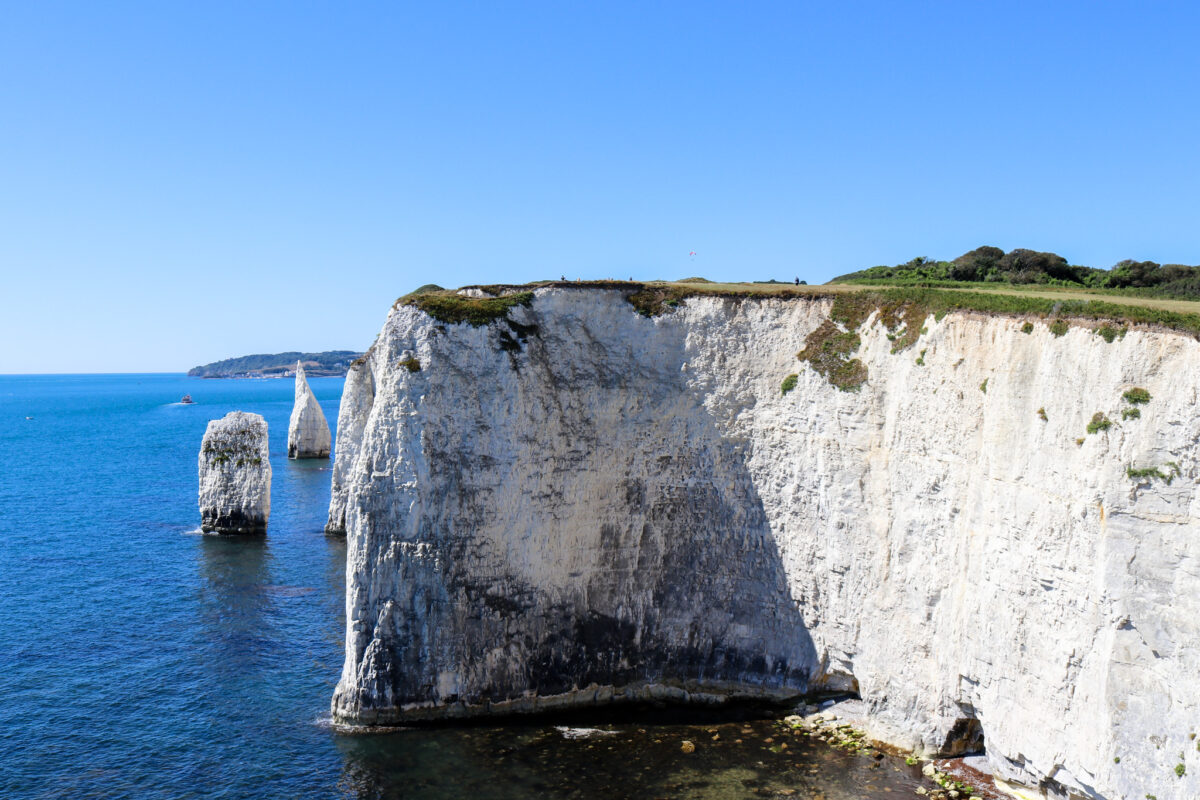
The Jurassic Coast needs no introduction: renowned worldwide for its breathtaking scenery and geological importance, this 95-mile stretch of coastline dominates Dorset’s landscape, history and character.